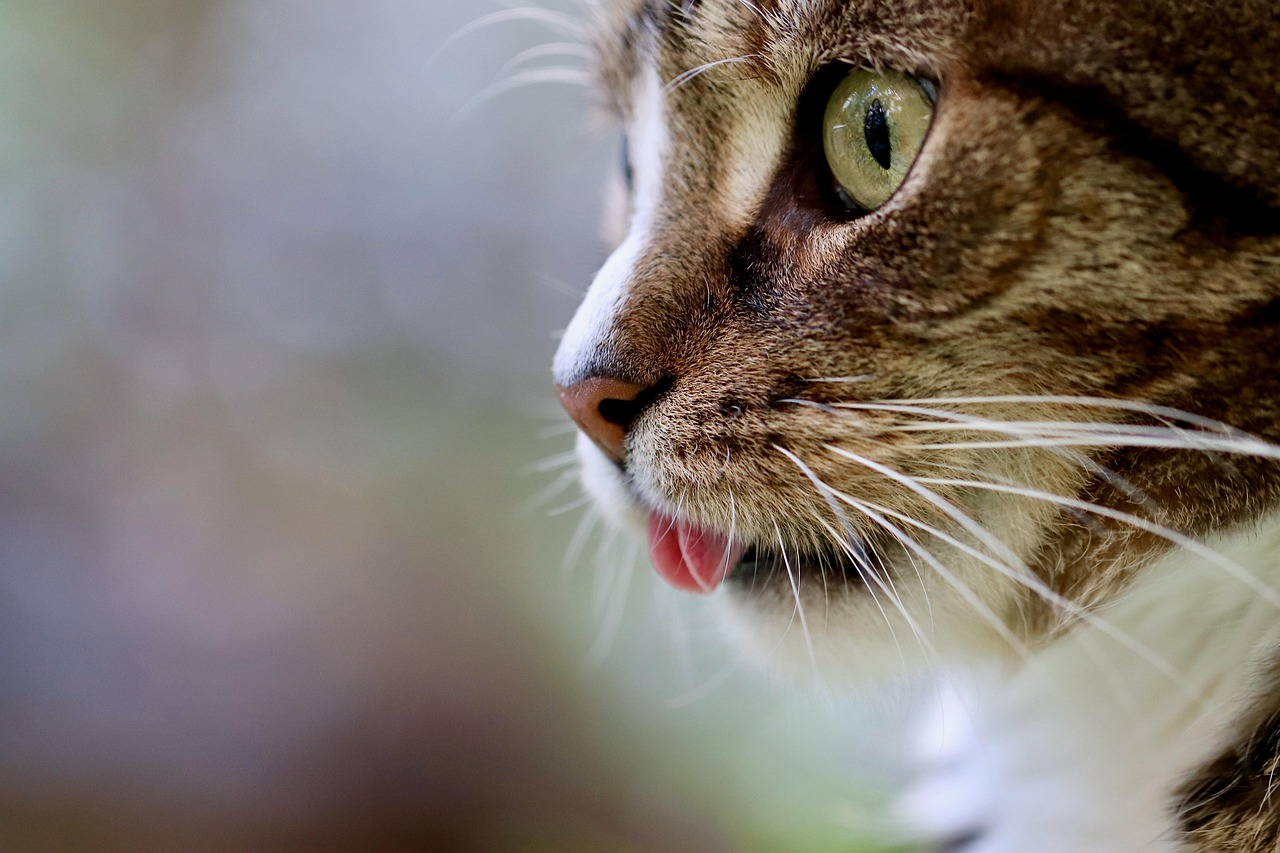

Early Warning Signs of Pain in Cats
Recognizing pain in cats can be challenging because they often hide their discomfort instinctively. However, being attentive to their behavior is crucial for timely intervention. Some common indicators of pain include vocalization changes, such as increased meowing or growling. Changes in appetite might also signal discomfort; if your cat is eating less than usual, it may be worth investigating further. You should also observe their grooming habits; over-grooming or neglecting their fur can point to underlying issues. Another sign is altered activity levels; if your typically active cat is becoming lethargic, this can be a red flag. Pain can affect mood, so look for changes in sociability. For instance, a cat that usually enjoys your company may start isolating itself. Watch for changes in normal cat behavior. Changes to their litter box habits or an unusual posture can indicate pain as well. Therefore, it’s essential to monitor these signs and consult with a veterinarian if you have concerns about your feline’s well-being. Early detection of pain increases the chances of successful treatment and improved quality of life for your beloved pet.
In addition to behavioral changes, physical signs can also help indicate pain in cats. Pay attention to their body language; a relaxed cat will have a loose body, while a painful cat may show signs of tension. For example, if your cat is hiding its face or has a lowered head, it could indicate discomfort. Also, if you notice abnormal breathing patterns, this could be another sign of pain. Cats may pant or breathe heavily, indicating they are not feeling well. Check their fur for any areas of swelling, warmth, or tenderness; these can signify an injury or illness. Observe their gait as well; if they’re limping or moving awkwardly, they may be in pain. Physical examination may be necessary to determine underlying issues. Additionally, keep an eye on their eyes; they should be clear and bright, and any squinting or unusual discharge may suggest pain. Don’t forget to consider environmental factors like changes in their surroundings. A sudden change in their habitat may cause distress and pain. Ensuring a stable environment is vital for your cat’s wellness.
The Importance of Monitoring Your Cat’s Behavior
Regular observation of your cat’s habits can significantly help in detecting pain early. Changes in bathroom habits, such as frequency and ease of urination and defecation, might also signal issues. Cats often stop using their litter box if they associate it with pain, so maintaining cleanliness and accessibility is crucial. Pay attention to purring; while it often signifies contentment, cats may also purr when in pain as a coping mechanism. Differences in their sleep patterns might indicate discomfort. Cats usually sleep a lot; thus, if they’re restless or unable to find a comfortable position, there might be an issue at hand. Changes in their interactions can also be telling; if your affectionate cat begins to withdraw, this could indicate they are in pain and wish to avoid interaction. Regular veterinary checkups are essential for identifying and preventing potential pain in your pet. A veterinarian can suggest proper care routines based on your cat’s specific needs. By being vigilant and proactive in your observation, you can ensure your cat leads a happy, healthy life.
It’s also beneficial to educate yourself on various common feline illnesses that may result in pain. Conditions such as arthritis, dental disease, or urinary tract infections are indeed frequent culprits of distress in cats. Arthritis, particularly, is common in older cats and can manifest through reduced activity levels and difficulty jumping. Dental issues can cause significant pain and may lead to loss of appetite. Other illnesses, such as cancer, may show signs of pain late in the progression, hence why early recognition is crucial. Familiarize yourself with these potential issues so you can act swiftly upon observing symptoms. Additionally, look for sudden weight loss or gain; this can indicate an underlying medical issue requiring a vet’s evaluation. Don’t underestimate the importance of your cat’s normal routine. Anything different from it, such as altered sleeping spots, can be a subtle sign of discomfort. Lastly, documenting your cat’s behavior changes can be helpful for discussing concerns with your veterinarian. Clear communication about your observations can lead to quicker diagnoses, ensuring your feline is both happy and pain-free.
When to Seek Veterinary Help
When you notice signs of pain in your cat, it is essential to act promptly and seek professional veterinary assistance. Delaying treatment can lead to worsened conditions and prolonged suffering for your cat. If your cat displays behavioral changes alongside physical symptoms, such as limping or swelling, consult with the veterinarian immediately. Remember, your cat’s health should always be a priority. It’s also prudent to keep track of how long any abnormal signs last. Short-term discomfort may pass, but persistent signs warrant evaluation. If your cat shows signs of aggression or has difficulty being handled, pain may be the reason, and consulting your vet should be your next step. Moreover, if you suspect your cat has ingested something harmful or is experiencing acute pain, immediate veterinary care can save its life. Your veterinarian may recommend diagnostic tests, medication, or changes in diet based on your cat’s specific needs. Do not hesitate to reach out to your vet for advice and information, ensuring a swift resolution to any health concerns impacting your feline friend.
To wrap up, recognizing and addressing signs of pain in your cat involves careful observation and timely responses. Understanding the normal behavior of your feline companion is vital for recognizing any deviations. Being mindful of changes in their eating, sleeping, and social habits can provide essential insights into their well-being. Creating a stress-free environment is equally important; maintaining routine and offering comfort can greatly benefit your cat’s health. As a responsible cat owner, you must prioritize regular vet visits. Ensure vaccinations are up to date and preventive health measures are in place. Regular check-ups contribute dramatically to your cat’s overall welfare, potentially identifying problems before they escalate. Furthermore, considering alternatives like pain management therapies or nutritional adjustments can benefit your cat’s health. Engaging in discussions with your veterinarian is invaluable. They can provide tailored advice to improve your cat’s quality of life. Emphasizing a proactive approach and assurance of a loving environment can mitigate pain effectively. Your cat depends on your diligence, and by being observant and responsive, you help create a happier and healthier life for them.
Conclusion: Being a Responsible Cat Parent
Being a responsible cat parent entails being aware of signs of pain and ensuring your cat’s health and happiness. Cats have an innate ability to hide their discomfort, but as a caring owner, your vigilance is essential. Recognizing early warning signs can make all the difference in maintaining their well-being. Observing changes in behavior, appetite, and grooming can open doors for treatment and care to alleviate their suffering. It’s a bonding experience that deepens your relationship with your cat. Adopting a preventative approach ensures your cat can live a long and fulfilling life. Don’t forget to provide an enriched environment, including toys that stimulate both their mind and body. Promote healthy activities, such as interactive playtime, to keep them active and engaged. Lastly, immerse yourself in educational materials about feline health and behavior. Keep learning about pain management options and veterinary care, empowering yourself as an informed pet guardian. Your commitment to being observant, proactive, and loving creates an environment where your cat can thrive, demonstrating your dedication as a responsible cat parent.
Taking the time to effectively observe your feline friend ensures he or she can live comfortably and healthily. You are their advocate, and understanding the nuance of their various signals will allow you to take action when necessary. It is your responsibility to monitor not only physical health but emotional and mental health as well. Creating a nurturing and safe environment will serve to mitigate potential health risks. While no cat owner wishes to witness their pet’s suffering, the ability to recognize pain will facilitate more active intervention strategies. Education about potential risks, illnesses, and proper care will empower you. From adopting healthy habits and schedules to knowing when to contact the vet, your proactive measures influence your cat’s overall well-being profoundly. Stay vigilant and attentive through every age and stage of their lives. Each moment you spend improving their quality of life makes a significant impact. Remember that happiness and comfort are just as essential as diet and medical care. Never underestimate your role in your cat’s life, as it holds immeasurable value, both for them and for you.