
How to Capture the Purr-fect Shot: Cat Photography Workshop Tips
Cat photography can be an incredibly fun and fulfilling experience, especially when engaging in a workshop designed specifically to enhance your skill set. During these workshops, participants are taught methods to capture the whimsical nature of felines, enabling them to understand their unique personalities. The key to success is to hone your technique while remaining patient and flexible. Start by familiarizing yourself with various camera settings, including aperture, shutter speed, and ISO, which are essential when photographing cats. Additionally, using a fast lens can help you achieve stunning depth of field, showcasing your subject beautifully. Another important aspect of cat photography is timing and knowing the cats’ behaviors. Keeping an eye out for playful moments or serene poses will allow you to capture their spirit. Moreover, workshops often provide opportunities for hands-on practice, giving participants invaluable feedback on their work. Don’t forget to bring treats or toys to encourage the cats during shoots, creating an engaging atmosphere that yields the best possible results.
Additionally, lighting is a crucial factor in cat photography. Natural light often provides the most pleasing results, particularly during the golden hour, just after sunrise or right before sunset. When shooting indoors, aim to position your subject near windows or in well-lit areas. Reflectors can be handy tools, bouncing light onto the cat, reducing harsh shadows, and enhancing overall image quality. Be prepared to experiment with different angles and perspectives to find the most flattering view of your feline subject. Instead of shooting from eye level, try capturing them from above or below; this variation can lead to distinctive and engaging results. Consider employing various compositions, such as framing the cat within its environment or isolating the subject against a simple backdrop. By focusing on the details, like unique markings or textures, your photos become more captivating. Post-processing also plays a vital role; using editing software allows you to enhance colors, sharpen images, and correct exposure. Balancing these elements will greatly elevate your cat photography skills.
Interacting with Your Feline Models
Establishing a rapport with cats is essential in achieving captivating shots. Cats can be naturally wary of cameras and sudden movements, so it’s important to proceed slowly and with care. Start by allowing them to become comfortable in the environment you are in; perhaps let them sniff the camera or your equipment. Take time to engage with them through gentle voice commands or treats, so they feel relaxed. During workshops, participants often practice patience, waiting for the right moment to snap the perfect shot. Capturing candid moments can yield very pleasing results, as these spontaneous behaviors often portray the true essence of a cat. Observing their reactions and moods can help you recognize the moments worth capturing. Also, employing toys or engaging props can enhance the atmosphere of your shoot by drawing the cat’s attention and prompting playful interactions. This method not only entertains the feline subject but also results in dynamic and lively photographs.
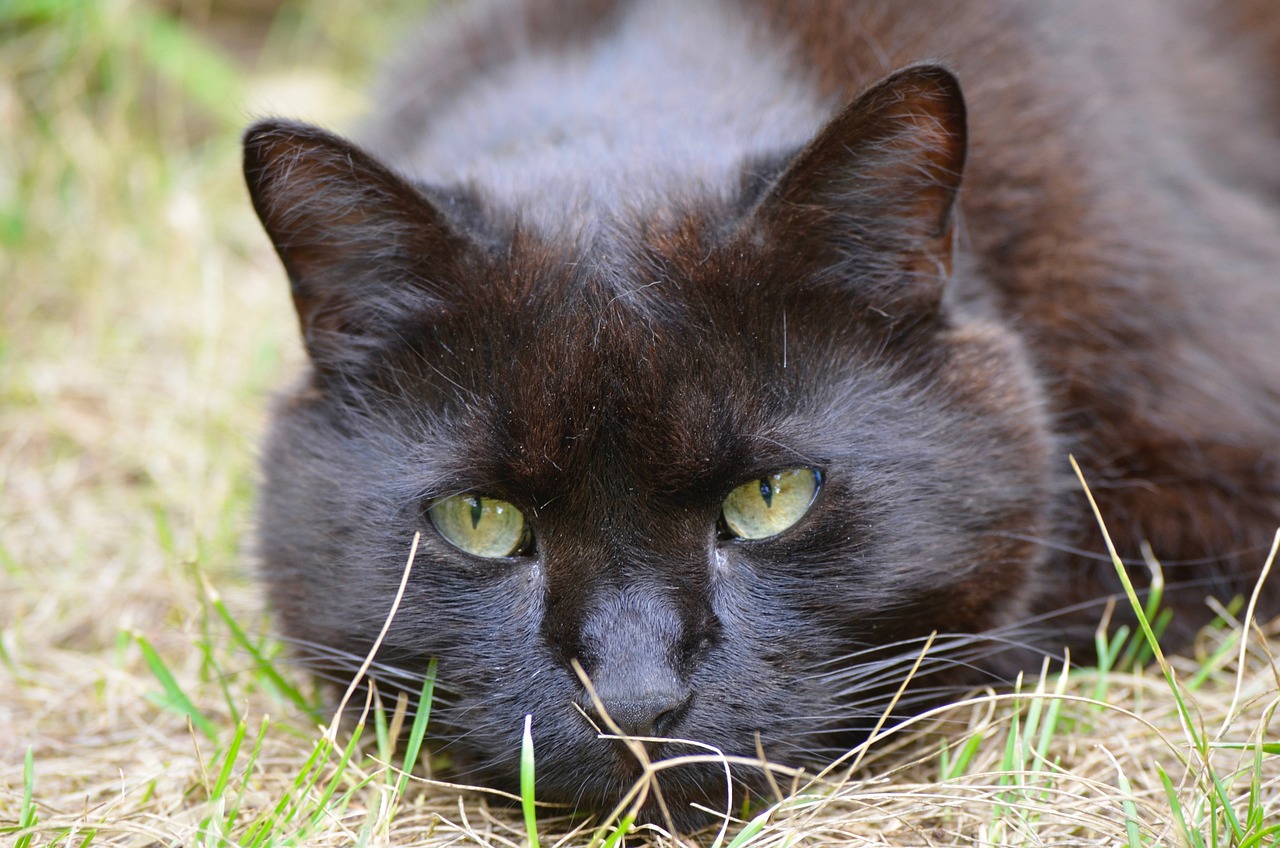
During your cat photography workshop, understanding your camera’s focus settings can have a significant impact. Learning how to achieve skilled focus is essential. The best practice is to set your camera to single-point autofocus, as this allows you to select the focus point precisely where you want it. This is crucial for capturing a cat’s elusive eye. When the camera’s focus is sharp, it creates a direct connection with the viewer, bringing your photo to life. Experiment with different focal lengths to create various effects; for instance, using a longer lens can help capture distant or shy cats without alarming them. Alternatively, a wide-angle lens can creatively include more of the cat’s environment. Factors such as selecting the right depth of field also help isolate your subject. Focused eyes with smoothly blurred backgrounds can concentrate viewer attention and create a professional feel. These technical settings will gradually become second nature as you practice, contributing to striking and impressive images.
Capturing Emotion and Personality
Photographing cats means capturing their unique personalities and emotional expressions, which can often be challenging yet rewarding. Cats have distinct temperaments, and understanding their nature is key to achieving remarkable images. Spend time observing your subjects, noting when they are most active or relaxed. Smile and interact in a friendly manner during your workshop practice sessions. If your feline model seems comfortable, it is possible to capture their genuine and emotional expressions. Shots of playful pouncing, curious gazes, or gentle relaxation can form powerful portraits, leaving lasting impressions. Using a burst mode when capturing a series of shots can help catch fleeting moments that encapsulate emotion. Afterward, sorting through these photos can unveil delightful surprises, where you not only see the cat’s personality but also express it through their sight lines and body language. Remember that the best images often showcase the connection between you and your subjects. Patience and practice create a fulfilling experience while leading to an impressive collection of cat portraits.
In some instances, utilizing creative backgrounds can elevate your cat photography. Identifying interesting textures and colors help to contrast with your subject and create stunning visual stories. Natural settings, such as outdoors or in well-furnished homes, can dramatically enhance your photos. You can use simple props like colorful blankets, playful toys, or even cardboard boxes to add a layer of interest. Experimentation is key; testing various compositions and arrangements will yield diverse outcomes. For instance, placing a cat in a sunlit spot near vibrant flowers can create a dreamlike quality. By carefully considering your backdrop, it can complement your scene while drawing attention to the captivating personality of your feline friend. Workshops often encourage experimenting with backgrounds, allowing photographers to gain insights into the importance of environmental elements. Creative backgrounds can contribute to a sense of storytelling, transforming an ordinary shot into an extraordinary work of art. Encourage feedback from fellow participants during this creative process, looking for ways to improve and develop your unique style.
Editing Your Cat Portraits
Editing is an essential step in the cat photography process that enhances your final images. While capturing raw photos is crucial, post-processing will truly bring your vision to life. Many workshops focus on basic editing principles, teaching participants how to use software effectively. Among the most common adjustments are cropping, exposure correction, and color adjustments. Cropping can improve composition and focus on your subject, whereas exposure correction ensures your image accurately reflects the scene’s ambiance. Balancing shadows, highlights, and contrast can create depth and vibrancy in your portrait. Furthermore, enhancing colors will ensure your images pop, capturing the viewer’s attention. Utilizing filters cautiously can add artistic flair without overwhelming your original photo. Many photographers advocate maintaining the authenticity of the image, so strive for subtle enhancements rather than drastic changes. After editing, reviewing your images critically is vital. Seek feedback from peers in the workshop and reflect on what worked and what didn’t. Continuous learning and refining your editing techniques can lead to exceptional results, elevating your cat photography to the next level.
In closing, attending cat photography workshops offers essential insights, tips, and hands-on practice that empowers aspiring photographers to capture the beauty of cats. From understanding settings to building rapport with your subjects, each aspect plays a role in creating compelling images. Light, focus, and creative backgrounds all contribute significantly to exceptional photography, resulting in impressive portraits. The experience gained in workshops provides valuable skills that enhance your overall photography journey. As you continue to grow and develop your style, remember to enjoy each moment captured during your sessions. With patience, practice, and a little creativity, anyone can achieve stunning results when photographing their feline friends. Don’t hesitate to explore online resources, join photography groups, or even consider offering workshops of your own. Sharing knowledge with fellow cat lovers and photographers can be beneficial and create a thriving community that appreciates the art of cat photography. Ultimately, your passion and enthusiasm will shine through in your work, allowing you to create purr-fect memories captured forever. Happy shooting!