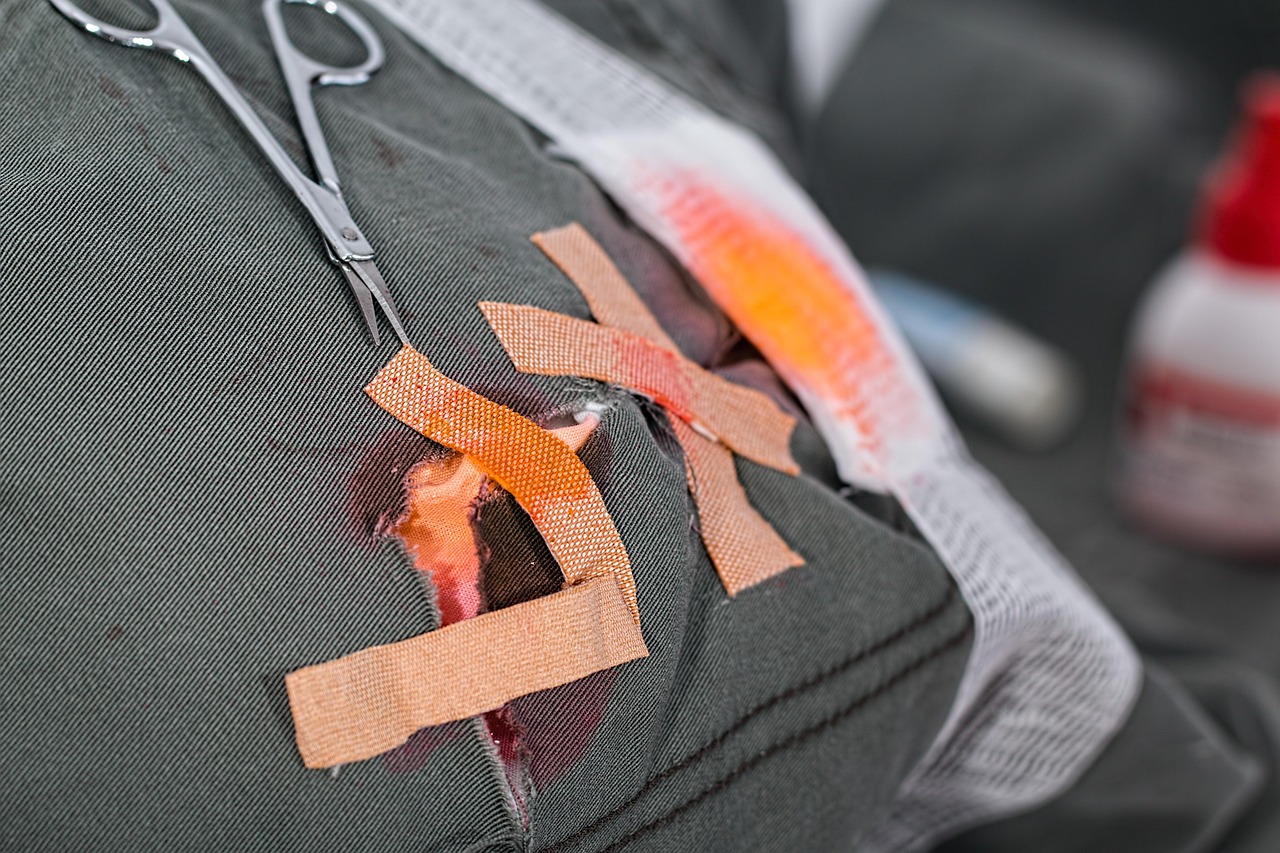

Tips for Handling a Cat During Wound Cleaning
Cleaning a wound on your cat can be a challenging experience, considering their natural instincts. Before beginning the process, it’s essential to prepare both mentally and physically. Ensure you have all required supplies nearby. The essentials include antiseptic, gauze pads, a soft cloth, and bandages. Gather treats and possibly a favorite toy to help comfort your cat during the process. Creating a calm and safe environment reduces stress. Look for a quiet room where your cat is comfortable. Keeping them calm is crucial, so consider laying them on a stable and soft surface. Restraining your cat may be necessary, but the goal is to do so gently. Speak softly to reassure them. You may also want to enlist an extra pair of hands to help hold your cat if they squirm. Always keep the cleaning area sanitized to avoid any risks of infection. Your approach and demeanor can greatly influence your cat’s response. Patience is key, so take your time, and remain gentle and reassuring throughout the process.
Before starting cleaning techniques, it’s crucial to understand the anatomy of a cat’s skin and how wounds heal. The skin of cats is unique in that it is quite thin and susceptible to injury. This requires you to be very careful when handling wounds or areas of concern. Recognizing the signs of infection, such as redness, swelling, or discharge, may influence your approach. Understanding the types of wounds, whether they are superficial or deep, will assist you in selecting appropriate cleaning methods. For cleaning techniques, always begin by ensuring the area around the wound is clean. Wash your hands thoroughly and use new gloves if possible to avoid introducing bacteria. Water is the best way to rinse away debris gently. Use the antiseptic solution recommended for feline use only. Avoid applying alcohol or hydrogen peroxide, as these can be harmful. When applying antiseptics, make sure to follow the vet’s recommendations for use and wait for a period before finalizing any bandaging. Proper care is essential for your cat’s recovery.
Using The Right Supplies
In our exploration of cleaning cat wounds, the selection of appropriate supplies plays a vital role. Choose supplies designed for veterinary use to promote healing effectively. Look for specific antiseptics that are gentle but effective, such as iodinated or chlorhexidine solutions, specifically made for cats. Avoid household antiseptics since they may cause adverse reactions. The use of sterile gauze pads is essential as they help prevent contamination and absorb any fluids. It’s also beneficial to have vet-approved bandages available. Size matters, so opt for options that fit your cat’s specific injury. If using tape, ensure it’s non-adhesive to prevent skin irritation. You might find fabric wraps helpful to create a secure bandage while allowing some mobility. It’s also valuable to have distractions on hand, such as catnip or a favorite toy, as these can provide comfort during the cleaning process. Another useful item can be a restraint or a soft muzzle, which can help during the more difficult parts of cleaning. Don’t overlook the importance of having your vet’s contact information readily available, should you need it.
When cleaning a wound on your cat, timing and technique are everything. Always aim to be efficient but gentle. Begin by securing your cat in a way that minimizes their anxiety. Speak softly and reassure them throughout the cleaning process. If possible, enlist help from another person, making the task easier and providing comfort to your pet. Gently dab the wound with sterile gauze soaked in antiseptic solution; this should be done without applying excessive pressure. Clean from the outside toward the center to avoid dragging debris into the wound. If there are any visible clumps of dirt or fur trapped in the wound, use tweezers that have been properly sanitized to remove them. Avoid touching the wound with bare hands as this could introduce bacteria. Always carry out the cleaning in a deliberate, calm, and collected manner. Once the cleaning is complete, double-check the area for any missed spots, and then allow the area to dry before applying a bandage. Afterward, provide a treat or favorite toy as positive reinforcement.
Dealing with Cat Anxiety
Cats can quickly become anxious during wound cleaning, so recognizing signs of distress is key. Anxiety in cats is often displayed through behaviors such as excessive vocalizing, attempts to escape, or even aggressive actions. Pay attention to their body language; ears pinned back and a puffed tail usually indicate discomfort. To diffuse anxiety, maintain a soft, soothing voice, keeping a steady rhythm throughout the process. Consider having a towel ready to gently wrap your cat. This technique is known as a burrito wrap, providing them with a sense of security. Familiar scents or calming pheromones also help them relax. Many pet shops sell calming sprays or collars designed to soothe anxious felines. If your cat’s anxiety seems severe, consult your veterinarian for behavioral advice. During the cleaning, take breaks if your cat becomes too stressed. Lay off and allow them to calm down; this minimizes the risk of injury. Reassurance and gentle strokes can contribute positively to their overall experience, ensuring they become less stressed in subsequent cleanings.
Post-cleaning care is as fundamental as the cleaning process itself and should never be overlooked. Once you have completed the cleaning and possibly bandaging, monitor the wound closely. It’s essential to observe for any signs of infection, such as increased redness, swelling, or unusual discharge. Daily checks enable early detection of issues that could prolong recovery. Maintain the cleanliness of the area, keeping any bandage fresh as needed; change it according to veterinarian suggestions. Make sure your cat avoids licking the wound; using an Elizabethan collar can assist with this. Giving your cat a time-out from running and jumping may be necessary to avoid reopening the wound. Frequent gentle interactions, offering treats, and providing a cozy resting place will enhance their recovery time. Additionally, adhere strictly to any prescribed medications or ointments. Depending on the severity of the injury, ensure you have a follow-up appointment with your vet. Communication is key; feel free to reach out regarding any concerns that arise. In doing so, you’re ensuring the best chance for a speedy recovery.
Conclusion and Consultation
As we conclude this discussion on wound cleaning techniques for cats, it’s crucial to emphasize that while basic cleaning care can be performed at home, certain situations require professional assessment. Always consult your veterinarian for any wounds that appear deep, are bleeding significantly, or show signs of infection. Furthermore, if your cat is resistant to at-home care despite your efforts, it may indicate a need for professional intervention. Ensure you remember that the primary goal is your cat’s comfort and safe healing. Stay calm and composed; your pet is more likely to mirror your reactions. Reassess frequently whether you are making progress during the cleaning process and monitor their overall wellbeing. After tending to your cat’s wound, take some time to evaluate what techniques worked and what didn’t. Continuous learning about pet care can significantly enhance your effectiveness as a caregiver. By practicing patience and understanding, you create an environment conducive to healing. Finally, bear in mind that building trust with your cat will facilitate future interactions involving cleaning or treatment.
Through consistent practice and dedication, you become well-equipped to handle wound cleaning in your cat effectively. These experiences contribute to a stronger bond and better overall health for your feline companion. Encourage others to develop their veterinary skills respecting the pet’s unique needs. Sharing knowledge can improve the world of animal care.