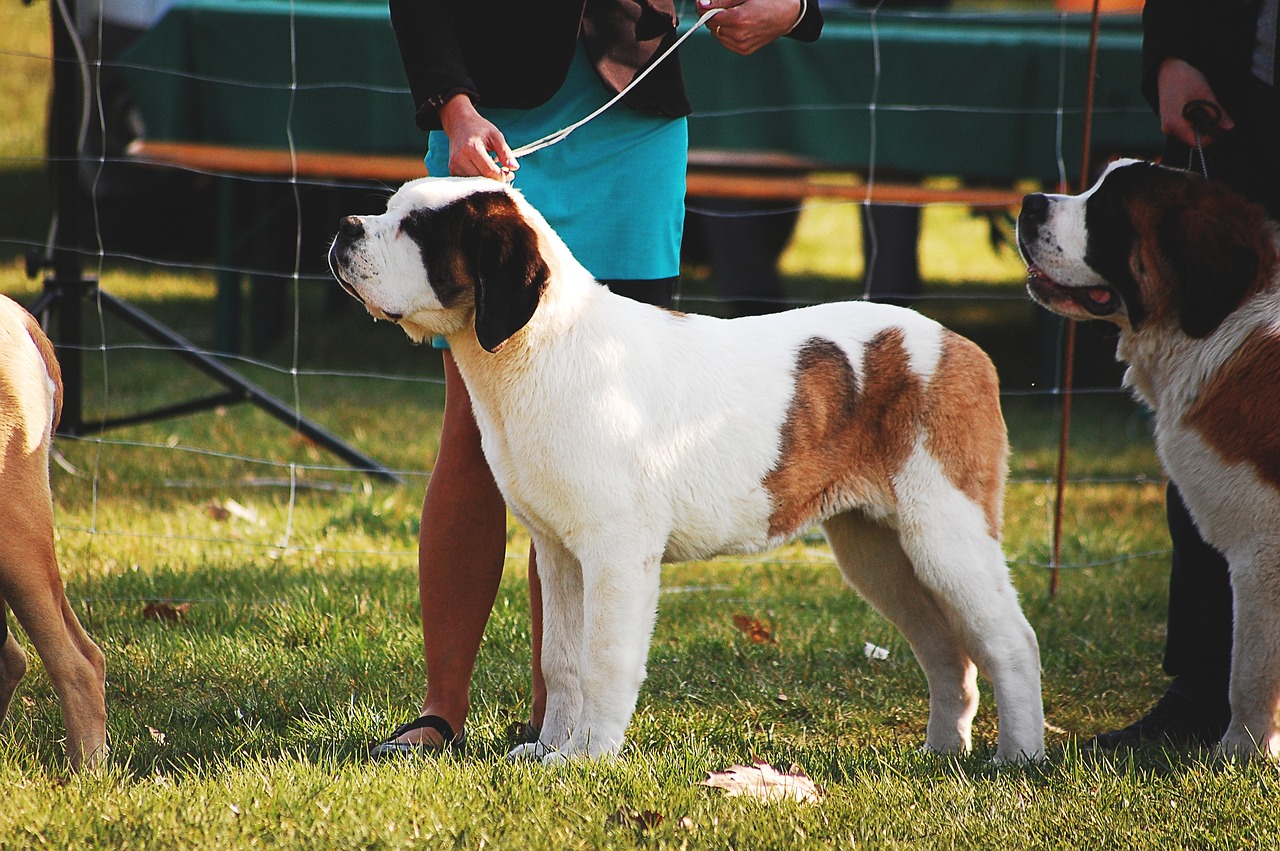

Using Pedigree Analysis to Enhance Desired Traits
Pedigree analysis is an essential tool in dog breeding, providing breeders with valuable insights into genetic traits and their transmission through generations. By carefully examining a dog’s ancestry, breeders can make informed decisions that enhance desired qualities, such as temperament, appearance, and health. Furthermore, pedigree analysis allows breeders to identify potential genetic issues that may arise from inbreeding. The goal is to produce offspring that uphold the ideal standards for the breed while minimizing the risk of hereditary diseases. Understanding the lineage of a dog can also help breeders select the best matches for mating, reducing the likelihood of undesirable traits appearing in puppies. A thorough pedigree can reveal an array of relevant traits, extending across many generations, thus equipping breeders with the necessary information. In creating a breeding plan, it is crucial to consider the influence of various traits and how they can be accentuated or suppressed. Traits such as coat color, size, and behavior can all be traced through pedigree charts. This way, breeders can not only promote healthy traits but also uphold the integrity of the breed.
Another significant aspect of using pedigree analysis is the understanding of genetic diversity within a breed. By evaluating the genetic backgrounds of potential breeding pairs, breeders can manage the gene pool effectively. This management is particularly vital in breeds that may be prone to genetic disorders due to limited genetic variation. A well-maintained gene pool can help prevent the emergence of health issues while also enhancing the physical and behavioral characteristics of the breed. In making breeding choices based on pedigree analysis, breeders should focus on traits that reinforce the breed’s standards without compromising overall health. By choosing breeding pairs with complementary traits, breeders can elevate the quality of their dogs, producing puppies that excel in their respective capacities. Effective pedigree analysis allows breeders to strike a balance between desired traits and genetic health. Notably, pedigree charts usually present an exhaustive overview of an animal’s lineage, showcasing vital information and connections among ancestors. Hence, informed decisions become increasingly achievable when breeders understand these complex relationships.
Genotypes and Phenotypes
Constructing a breeding plan based on pedigree analysis requires a solid understanding of both phenotypes and genotypes. Phenotypes are the observable characteristics of an animal, while genotypes reflect the underlying genetic code. By analyzing both aspects through pedigree analysis, breeders can predict how certain traits may manifest in future generations. For instance, if a dog carries strong traits in its phenotype, it may be beneficial to explore its genotype to uncover potential genetic advantages or disadvantages. Breeders should pay attention to the inherited traits passed down from ancestors as each generation may carry a distinct set of characteristics that influence the offspring. A systematic review of the lineage helps uncover favorable traits such as intelligence or agility, which can be prioritized in future breeding endeavors. Conversely, pedigree analysis also allows for the identification of less favorable traits to avoid, such as behavioral issues or genetic disorders. By keeping a keen eye on both phenotypic expressions and their respective genotypes, breeders have a greater chance of enhancing the overall quality of their breeding stock.
Another vital consideration in breeding for specific traits through pedigree analysis is the importance of health testing. Conducting health tests on breeding candidates is crucial, particularly for hereditary conditions prevalent in certain breeds. Breeders who rely solely on pedigree charts may overlook underlying health problems that genetic testing can uncover. Therefore, combining pedigree analysis with comprehensive genetic testing provides a more rounded view of a dog’s suitability for breeding. This integration ensures the health and vitality of future generations. Breeders should aim to produce dogs that not only conform to breed standards but are also healthy and functionally suited for their intended roles, whether as companions, show dogs, or working animals. Incorporating health data into the analysis further guides breeders toward making informed decisions, fostering a preferential bias toward health-enhancing traits. The objective is to promote a lineage that thrives, which ultimately supports the advancement of the breed. By addressing both immediate pedigree considerations and long-term health assessments, breeders can greatly enhance their breeding objectives.
Conclusion: The Future of Dog Breeding
As dog breeding continues to evolve, the significance of pedigree analysis will remain paramount. Breeders leveraging advanced techniques in genetic evaluation can ensure the continuous improvement of desirable traits. By employing this analytical approach, they can create dogs that not only fulfill breed standards but also possess the vigor and health necessary for a long life. Future advancements in genomic technologies hold potential, offering breeding insights that were previously unattainable. By utilizing molecular markers, breeders can select for specific traits even more precisely. This precision will undeniably transform the future landscape of dog breeding. As breeders continue to adapt their methodologies, embracing contemporary practices alongside traditional pedigree analysis will help them navigate the complex genetics behind new breeding endeavors. Therefore, breeders armed with knowledge and the right tools can ensure the future generations of their dogs thrive both physically and behaviorally. Moreover, the impact of responsible breeding practices will set a benchmark for the industry, showcasing an unwavering commitment to producing exceptional canines. This amalgamation of old and new practices creates a platform for successful breeding programs.
In summary, pedigree analysis plays an integral role in dog breeding, enhancing the ability to breed for specific traits that define an exceptional breed. By combining historical lineage data with genetic health assessments, breeders are positioned to make impactful and responsible decisions for future breeding pairs. The ability to identify desirable traits while mitigating the risk of hereditary diseases creates a profound responsibility for breeders to uphold the integrity of their breeds. Ultimately, a detailed understanding of lineage through pedigree analysis equips breeders to contribute positively to canine welfare as well as breed standards. Thus responsible breeders will continue to employ sophisticated methodologies that honor the legacy of their breeds while promoting health and vigor among successive generations. Connecting the past with future breeding aspirations can lead to enriching experiences for breeders, dogs, and their owners alike. The future of dog breeding, guided by robust analysis and ethical practices, is indeed a bright one. Every generation fosters an opportunity to optimize the traits that encapsulate the beauty and spirit of our beloved dogs.
The journey of enhancing desired traits through pedigree analysis is ongoing, perpetually evolving as new research and technology emerge. The realm of genetics presents an exciting frontier whereby breeders can learn more about specific traits and their heritability. The continued collaboration between geneticists and breeders heralds a new era of responsible breeding practices. The ultimate aim is to foster relationships that prioritize the well-being of dogs while also achieving excellence in breed standards. As knowledge expands, breeders can refine their techniques, ensuring they maintain transparency, ethics, and best practices within breeding circles. With this commitment, breeders not only elevate their dogs but are also contributing to the preservation of dog breeds around the world. The community will benefit from shared knowledge and experiences, weaving a fabric of responsible breeding that transcends geographic boundaries. Therefore, every breeder must commit to education, research, and mutual cooperation to advance this noble pursuit. Together, they can cultivate an environment that champions health, character, and pedigree accuracy, empowering breeders for generations to come.
In conclusion, using pedigree analysis as a tool for enhancing desired traits in dog breeding transforms how breeds evolve and adapt over time. As breeders embrace technology and genetic insights, they forge a path toward achieving excellence in canine companions. These analyses will be the backbone of informed breeding decisions, bridging tradition with modern advancements to safeguard and enhance breed integrity. The community stands on the brink of remarkable progress, driven by a shared vision for the future of dog breeding. In ensuring that health, temperament, and physical traits align, we will witness generations of dogs that not only meet but exceed expectations. Better breeding practices will result in healthier, well-adjusted dogs that thrive in homes and communities. Moreover, this dedicated focus on knowing and understanding pedigrees will reaffirm the value of reputable breeding programs worldwide. The challenge ahead remains, but with the combined efforts of diligent breeders, the future holds promise for comprehensive advancements in canine breeding. As we chart this course together, a bright future beckons, one filled with exemplary dogs that capture the hearts of families everywhere.