
Balancing Socialization Sessions for Dogs with Diverse Energy
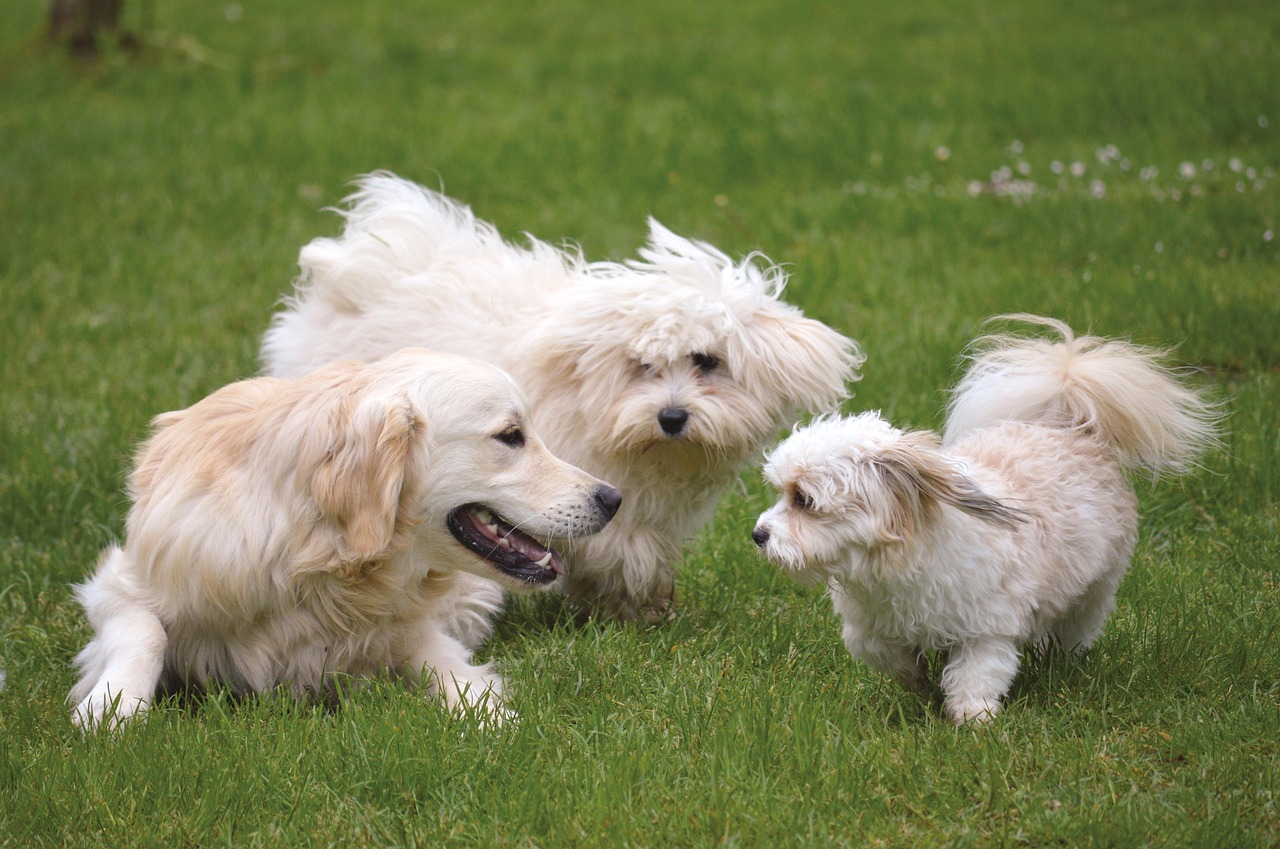
Socializing dogs with different energy levels requires careful planning and attentiveness. Dogs, much like people, have unique temperaments and energy distributions that influence their social interactions. When introducing a high-energy dog to a more passive one, capturing the dynamics between these two extremes becomes crucial for a successful experience. An owner must evaluate each dog’s behavior, ensuring that the socialization does not become overwhelming for either participant. Poor matchmaking could foster fear or aggression, negatively impacting future interactions. The energy levels of dogs can vary based on breed, age, and even individual personality traits. Hence, during play sessions, it’s essential to supervise closely and intervene if necessary. Owners should prepare for any scenarios, emphasizing gentle introductions and positive reinforcement to facilitate a supportive atmosphere. Ultimately, providing well-rounded socialization experiences will help create balanced and well-adjusted dogs. Dog parks could turn chaotic if not monitored, so ensuring compatibility in the playgroup is vital. Experimentation might yield insights into what combinations thrive together, enabling owners to develop enduring friendships for their pets.
Establishing a structured routine is integral to successful dog socialization sessions. Dogs flourish when they engage in predictable interactions, as it fosters a sense of security and comfort. When socializing dogs with differing energy levels, consider creating a schedule that allows for gradual acclimation. These routines not only help the dogs know what to expect, but they also contribute to shaping their social skills. For example, high-energy dogs may benefit from focused playtime, followed by calming exercises with lower energy companions. This harmony creates an environment where all dogs can participate at their own pace, reducing stress and potential conflicts. Utilizing positive reinforcement can encourage dogs to interact more comfortably. Owners who reward their dogs for appropriate behavior during socialization sessions will see improvements in their pet’s responses over time. Additionally, consider organizing small group meetings before exposing them to larger crowds, as this will help build confidence. When dogs sense their owner is there to support them, they are more inclined to engage with one another. These strategies will enable owners to promote wholesome alliances among dogs regardless of their energy levels.
Identifying Energy Levels and Needs
To effectively socialize dogs with varying energy levels, owners must first identify and understand these energy profiles. Observing a dog’s behavior can reveal much about its energy levels. For instance, if a dog is consistently bouncing, eager to play, or displaying excessive excitement during walks, these are high-energy indicators. Conversely, a dog that prefers to lounge, is relaxed around new friends, and responds slowly to stimuli likely falls into a lower-energy category. Knowing where each dog stands can empower owners to facilitate more compatible play groups and interactions. Moreover, it is essential to consider the preferences of dogs, as some may thrive in stimulating environments while others might prefer a tranquil setting. Think about introducing activity-focused games for high-energy dogs to engage them, like fetch, while keeping lower-energy breeds comfortable and involved at their own pace. Group settings can become beneficial arenas for learning, but understanding individual needs will result in less frustration and more satisfaction. By doing so, dogs can bond over shared experiences while acknowledging their distinct energy levels.
Implementing the appropriate environments for socializing can make all the difference when managing dogs with differing energy levels. Consider fields or parks with varied terrain, as they can provide options for both high-energy dogs who enjoy sprinting and lower-energy companions who prefer leisurely strolls. Even smaller-scale spaces can be beneficial depending on the layout. Additionally, introducing obstacles or interactive toys can create fresh and engaging elements that attract the attention of more energetic dogs. However, it remains crucial to prioritize safety when structuring a play environment. Monitoring the dynamics in a socialization scenario can prevent overwhelming situations. Owners don’t achieved this just by keeping an eye on behaviors, but also by recognizing when to step in. Providing breaks can also help maintain balance; high-energy dogs can benefit from short breaks after vigorous play, allowing altro companions to take part in a lighter interaction. Scheduling exploration time helps all dogs decompress from the excitement, promoting motivation and readiness to socialize further. The control of the atmosphere will alleviate repetition and ultimately make socialization sessions more rewarding for all dogs.
Positive Reinforcement Strategies
Utilizing positive reinforcement techniques is essential for ensuring that both high-energy and low-energy dogs feel comfortable and secure during socialization. Owners should reward good behavior, such as calm interactions or playful engagement, reinforcing these positive moments with treats or praise. For high-energy dogs, channeling their enthusiasm through play and rewards can encourage favorable social skills development. For example, when a high-energy dog interacts gently with a lower-energy counterpart, owners should reinforce the behavior immediately to created a positive association. On the other hand, low-energy dogs can be motivated by rewards for simply engaging with the high-energy cohort, creating a seamless interplay between the different temperamental types. Gradually introducing new high-energy friends can also provide opportunities for lower-energy dogs to feel empowered by their owner’s presence. Building up positive experiences will lead to increased confidence in social situations, regardless of a dog’s energy level. The key is to ensure that every interaction is constructive, allowing dogs to learn that socialization is both enjoyable and rewarding. Strengthening these bonds can lead to enduring friendships that benefit all participating dogs.
Alongside positive reinforcement, creating structured activities will greatly assist in bridging the gap between diverse energy levels during dog socialization. Implementing games that require both types of dogs to contribute creates a unified experience, fostering cooperation regardless of individual energy levels. For example, owners might organize teams that allow different dogs to engage in various capacities. High-energy dogs could be assigned as ‘fetchers’ while lower-energy dogs serve as ‘buffers.’ This enables all dogs to participate in a meaningful aspect while addressing their unique needs. Structured interactions provide each dog with a sense of purpose and can naturally assuage frustrations and tensions that may originate from mismatched energy levels. Organizing periodic breaks will help alleviate pent-up energy and maintain engagement throughout the session. Ultimately, it is important to embrace flexibility, as some days dogs may require more energetic play or a gentler approach, depending on their previous experiences. Consistency in expectations during rapidly changing environments will allow dogs to adjust better and unravel the joys of socialization. By utilizing structured activities, owners facilitate remarkable interactions that result in lasting friendships.
Gradual Exposure to New Experiences
One crucial approach to socializing dogs with differing energy levels involves gradual exposure to new experiences. Dogs, particularly those with lower energy can be easily overwhelmed by sudden introductions or chaotic environments. Therefore, taking a slow, measured approach enables them to acclimate comfortably. Gradually inviting new dogs into social circles, starting with one new dog at a time, allows increased opportunities for individual bonds to form while respecting the pacing needs of each dog. Also, letting dogs interact through barriers, like gates or fences, can provide them with a sense of security while they gauge reactions. Once they show ease, it’s possible to remove barriers for close interactions. Timing these introductions is crucial as well, paying attention to the right moment, which often leads to a favorable outcome. Owners should observe body language and behaviors carefully, rewarding calm interactions with treats or praise accordingly. Emphasizing gradual exposure makes all the difference when creating a safe space for all dogs to engage freely and grow through socialization. Afterward, the dogs feel less anxious and can engage in future gatherings with increased confidence.
In conclusion, socializing dogs with diverse energy levels is both rewarding and challenging. Fostering healthy interactions requires an understanding of each dog’s personality and tendencies. Owners must consider the intricate balance between maintaining structure while allowing each dog to express themselves in a way that feels rewarding and safe. Establishing routines can significantly influence the overall experience, along with keen observation and positive reinforcement strategies. Crafting structured activities—along with the correct environments—provides opportunities for these dogs to successfully engage despite their different energy profiles. By facilitating gradual introductions and creating safe spaces, owners will not only significantly enhance their pets’ social skills but also foster enduring bonds among them. Such bonds will ultimately shape a pleasurable experience that transcends energy levels, leading to improved happiness for all dogs involved. The art of balancing socialization sessions requires patience, a helpful understanding, and a flexible approach to each dog’s needs. With commitment, it is entirely possible to create socialization scenarios in which dogs learn how to enjoy each other’s company, regardless of energy levels; a truly fulfilling experience for pet owners and their beloved companions.