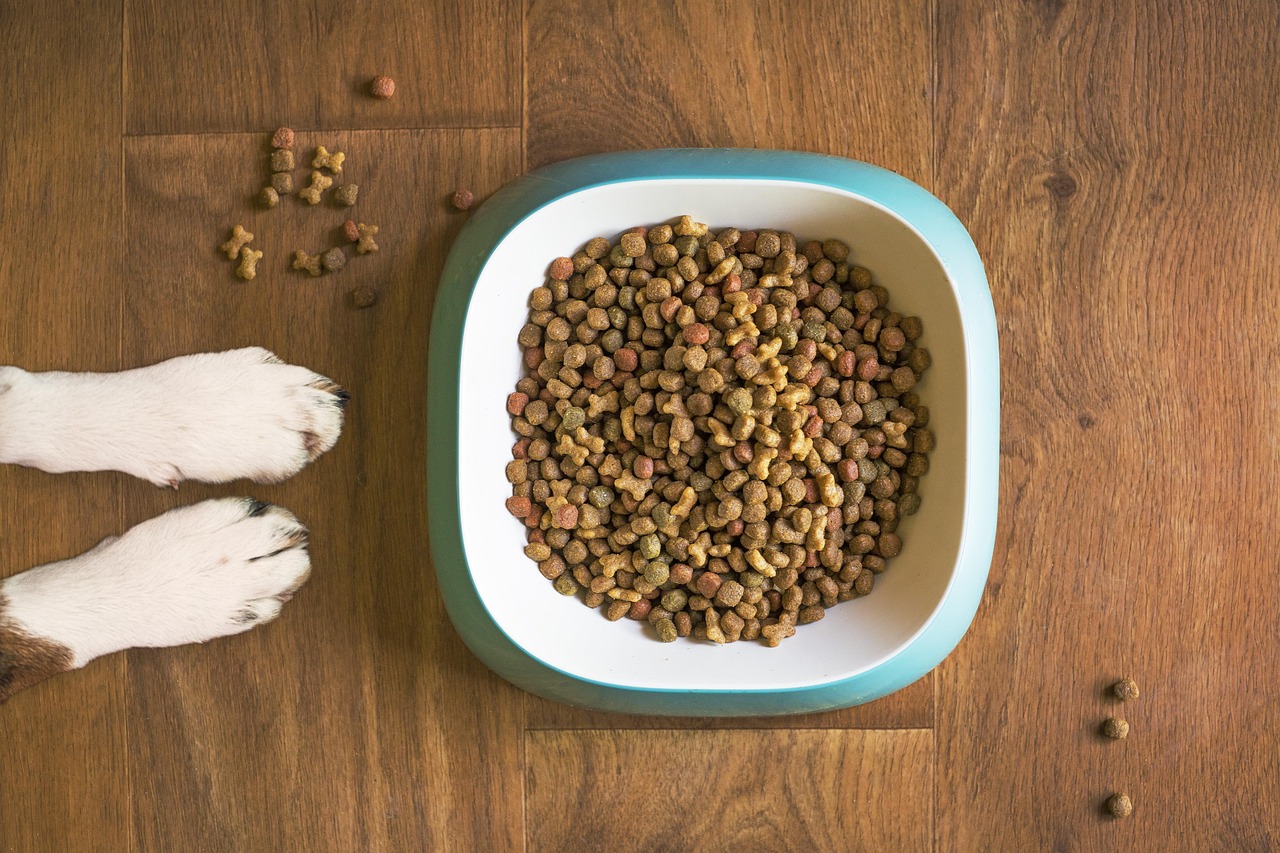

How to Identify Nutritional Deficiencies in Your Dog
Understanding your dog’s nutritional needs is crucial for maintaining their overall health. A balanced diet contributes greatly to their physical and mental well-being. When dogs experience deficiencies in their diet, it can manifest in various ways, affecting their behavior, energy levels, and even their physical appearance. It is important for pet owners to be proactive and knowledgeable when assessing their dog’s nutrition. Look for dietary recommendations that suit your dog’s age, activity level, and health conditions. Each dog has unique dietary requirements that may change over time. Regular vet check-ups can help in monitoring your dog’s nutritional status. Remember that the impact of poor nutrition can lead to serious health issues. Thus, being aware of the signs of deficiencies is vital. When introducing new food, do so gradually to observe any changes in your dog’s health. It’s equally essential to understand the role of macronutrients like proteins, fats, and carbohydrates in their diet. Ensuring that your dog receives a variety of foods will help meet their nutritional needs and support their overall health.
Many pet owners wonder how to spot the symptoms of nutritional deficiencies in their beloved dogs. Some common signs may include changes in coat condition, lethargy, weight fluctuations, and digestive problems. Observing your dog’s behavior can provide valuable clues about their nutritional health. For instance, if your dog is less active than usual, it might be a sign that they are not getting enough energy from their food. Furthermore, a dull or thinning coat can indicate a lack of essential fatty acids or proteins. Dogs may also display unusual eating habits, such as increased hunger, which might suggest that they’re not getting adequate nutrients. It’s beneficial to monitor their stool as well; inconsistencies can signal dietary issues. If you notice any of these symptoms persisting, consult with your veterinarian promptly. They can conduct tests to determine if your dog is lacking in any specific vitamins or minerals. Regular assessments of your dog’s health play an essential role in identifying deficiencies early on. By being proactive, you can ensure your dog maintains an optimal nutritional balance and thrives.
Key Nutritional Components for Dogs
To provide a balanced diet, pet owners must familiarize themselves with the essential nutrients dogs require. Proteins serve as building blocks for muscles, skin, and vital organs, making them crucial for growth and repair. Proteins can be sourced from meat, fish, eggs, and certain plants. Additionally, healthy fats support brain function and help absorb fat-soluble vitamins. Consider including omega-3 and omega-6 fatty acids in your dog’s diet, which promote a shiny coat and healthy skin. Carbohydrates are another vital component. They provide energy and help regulate digestive health. Make sure to include grains and vegetables in your dog’s meals. Vitamins and minerals, although needed in smaller amounts, are equally important. These micronutrients support various bodily functions and boost the immune system. For example, calcium is crucial for strong bones, while vitamins A and E are important for vision and skin health. It’s vital to ensure that your dog’s diet is not only variety-rich but also age-appropriate. This will help prevent deficiencies arising from an imbalanced or monotonous diet.
Feeding your dog a homemade diet is becoming increasingly popular, but it comes with its challenges. While preparing food at home allows greater control over nutrition, it’s vital to ensure that it includes all necessary components for a balanced diet. Many owners may unintentionally overlook essential nutrients during home cooking. Consult with a veterinary nutritionist to formulate a balanced recipe that meets your dog’s dietary needs. Keep in mind that specific breeds may have unique requirements. Failure to include vital nutrients can lead to health issues over time. A combination of raw and cooked ingredients can enhance nutrient absorption. Make sure to incorporate a variety of protein sources, vegetables, and carbohydrates. Additionally, consider supplementing with vitamins and minerals if required. A consistent feeding schedule helps maintain digestive health. Ensure that your dog stays well-hydrated as well; fresh water should always be accessible. Monitoring weight and overall health after dietary changes is crucial. Regularly revisiting your dog’s diet is necessary as their needs may change with age, activity level, or health status.
Commercial Dog Food Options
When it comes to commercial dog food, it is important to choose high-quality options. Look for products that meet the Association of American Feed Control Officials (AAFCO) standards. These guidelines ensure the food has the right nutritional balance for dogs. Read labels carefully to check for the primary ingredients; a reliable dog food should list a source of protein as the first ingredient. Be cautious of fillers, artificial additives, and by-products. If your dog has any specific dietary restrictions or allergies, it is essential to choose a formula tailored to their needs. Grain-free or limited-ingredient diets may be suitable for sensitive dogs but consult a veterinarian for personalized advice. Exploring different brands can help find one your dog enjoys. Transition between foods gradually to prevent gut discomfort. Observe for any adverse reactions when introducing a new food. Regularly assessing your dog’s condition can help in spotting any signs of deficiencies early. The right commercial dog food should promote overall health while meeting your dog’s essential nutrient needs.
Preventing nutritional deficiencies not only fosters a healthy dog but can also extend their lifespan. Regular exercise, alongside a balanced diet, significantly boosts your dog’s health. Stimulate their mind and body with activities like walking, playing fetch, or engaging in agility training. Pets with an active lifestyle are less prone to obesity, which is linked to a myriad of health issues. Incorporate fruits and vegetables into their diet as treats for variety and added nutrients. Always consult your veterinarian for guidance on maintaining an active lifestyle suited to your dog’s breed and age. Most importantly, ensure that you are providing a balanced diet tailored to their specific needs. Regular visits to the vet can help maintain oversight on your dog’s nutritional status. Keeping a food journal can also aid in tracking their meals and identifying potential issues. A proactive approach ensures that you are always aware of any developing health concerns. Remember that each dog is unique, and their dietary and exercise needs will evolve over time. Staying informed is key to providing the best care for your furry friend.
Conclusion
In conclusion, being knowledgeable and attentive to your dog’s nutritional needs will ensure a healthy and happy life for them. Recognizing the signs of deficiencies early can prevent health problems from arising. Along with balanced diets, it is vital to keep up with regular veterinary check-ups and maintain an active lifestyle for your dog. Make a habit of assessing your dog’s weight, coat, and energy levels routinely. Your dog’s nutrition should be a dynamic consideration, adjusting as necessary based on changing needs throughout their life stages. Engage in your dog’s feeding routine by providing a variety of nutritious options. If you have doubts about your dog’s diet, don’t hesitate to reach out to a veterinarian or a pet nutritionist. With the right guidance, you can craft a nutrition plan that supports your furry friend’s health long-term. Enjoy the journey of discovering what works best for your dog. A healthy diet is the foundation of a fulfilled life that allows them to thrive. Ultimately, a well-fed, well-loved dog is a happy dog, bringing joy and companionship into your life.
Make sure to keep learning about dog nutrition as it is an evolving field. Research and stay informed about the latest studies and recommendations. Engaging with fellow pet owners and communities can share valuable insights. Pet nutrition blogs, forums, and resources can provide useful tips and updates. Remember, a dog is more than just a pet; they are family members. Prioritizing their health and well-being is both a responsibility and a joy. Equipped with knowledge, you can advocate for your dog’s needs and make informed choices about their nutrition.