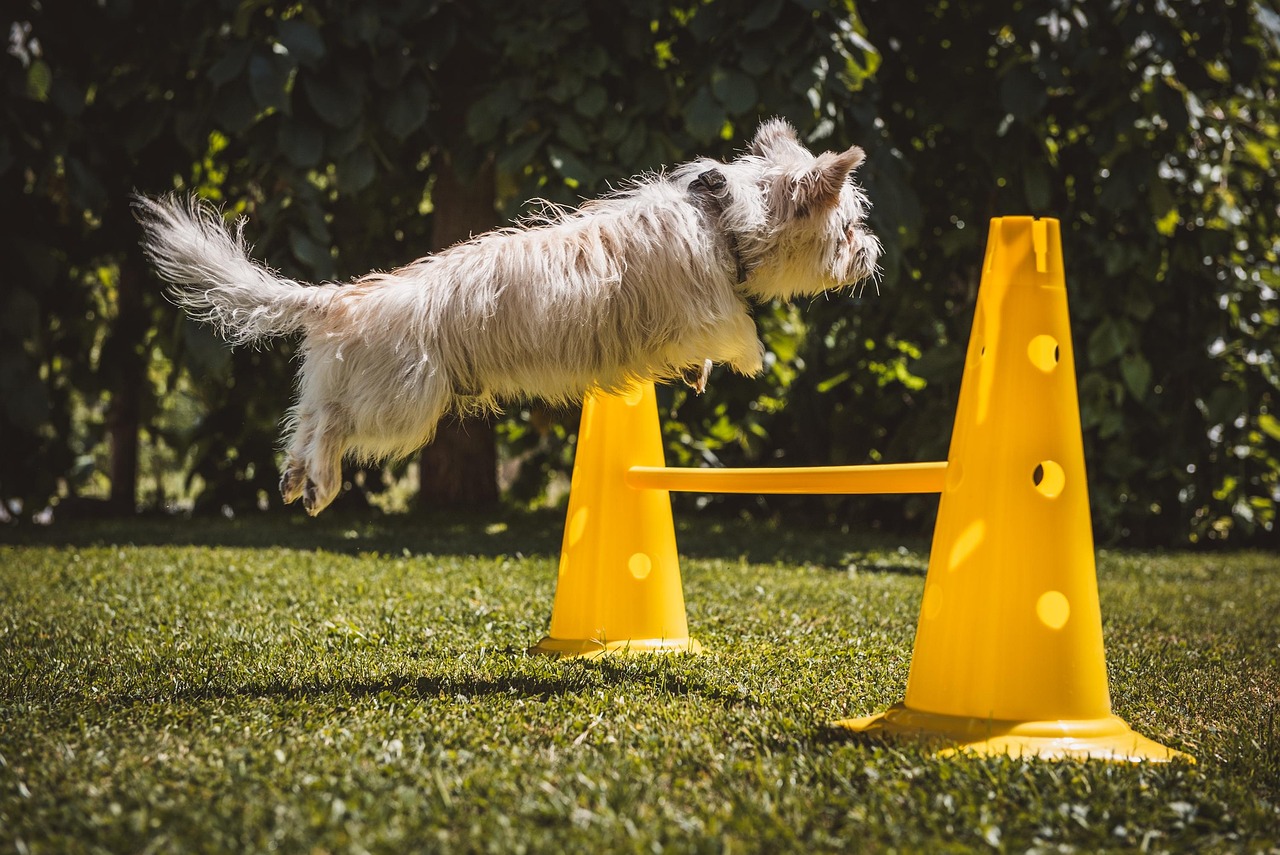

How to Use Positive Reinforcement During Dog Socialization for Agility
Dog socialization is a critical phase in a dog’s development. It is essential to introduce your furry friend to various environments and situations. Positive reinforcement is effective in this process, helping dogs learn behaviors they can rely on. For agility training, these socialization sessions can greatly enhance the dog’s ability to maneuver through obstacles. It builds confidence, making it easier for them to adapt to different surroundings. During socialization, treat your dog with praise, toys, or treats whenever they display calm behavior. This encourages them to repeat those actions. The key is consistency, so establish a routine that includes various locations and scenarios. Gradually introduce new obstacles as your dog progresses. Initially, focus on low-stress situations, and steadily increase difficulty. Your enthusiasm during these sessions will positively impact your dog’s experience. Always remain patient; frustration can lead to setbacks. Remember, the aim here is to create a supportive atmosphere where your dog feels safe and secure. As they gain confidence, consider joining an agility class. These structured interactions can provide valuable experiences and further enhance their training journey.
One of the most effective strategies for training and socialization is using rewards. Dogs may respond well to verbal praise, physical affection, or snacks, contributing to their understanding of desired actions. When your dog performs a behavior correctly, promptly reward them, reinforcing that action. This method, rooted in positive reinforcement, is proven effective for various training aspects. Start rewarding your dog for basic commands, then practice these in stimulating environments. Incorporate activities like meeting new dogs or people, which further develops their social skills. Always observe your dog’s reactions, as some may be more apprehensive than others. For anxious dogs, begin with lighter socialization and build their confidence gradually. Continuing to reward good behavior amidst distractions will prepare them for future agility challenges. Measurement of progress also plays a crucial role; keep track of milestones. This allows you to adjust socialization intensity based on your dog’s comfort level. Additionally, consider using training methods that incorporate agility equipment early on. It introduces fun and excitement, thus effectively combining socialization with agility training. Your consistency and positive feedback will produce a well-adjusted, agile canine companion.
Establishing a Routine
Establishing a routine is paramount for effective dog socialization. Consistency aids in creating a sense of security for your dog. It helps them understand what to expect, thereby reducing anxiety in new situations. A predictable structure facilitates better learning and reinforces behaviors you wish to encourage. Start by incorporating daily socialization activities. Plan specific times to introduce your dog to different locations, people, and animals. For instance, visit parks, pet stores, or organized dog meet-ups. Each outing should be an opportunity for reinforcement through positive experiences. While on these adventures, periodically practice their agility skills by prompting them to navigate small obstacles. Using an agility tunnel or jump can enhance their training. This method integrates fun and learning, forging a stronger bond between you and your dog. Additionally, ensure to maintain an upbeat demeanor during socialization. Your dog will sense your emotions and respond accordingly. An enthusiastic approach encourages them to engage actively. This routine not only benefits agility skill development but improves their overall responsiveness. Ultimately, a balanced regimen ensures your dog becomes a socially adept, agile companion.
Understanding dog behavior is crucial for successful socialization. Dogs communicate in various ways; recognizing these signals will help you better interact with them. Look for body language cues such as relaxed postures, tail wagging, or playfulness, all indicating comfort. Conversely, be mindful of signs of discomfort such as cowering, growling, or stiff body language. These behaviors are signals that your dog needs a break or reassurance. By observing their responses, you can modify your approach accordingly. When introducing agility training, it is essential to ensure your dog feels safe. Start with familiar environments before venturing into new ones. Gradually introduce the agility equipment as they become more confident. Encourage them with treats and praise to make the experience enjoyable. This positivity reinforces the learning process and enhances their willingness to tackle new challenges. Through careful observation, you can determine the right pace for socialization activities, tailoring them to your dog’s individual temperament. With each successful interaction, your dog will become more adept at handling different social situations and agility tasks. Understanding behavior thus enhances not only socialization efforts but also fosters an overall positive training climate.
Implementing Socialization Games
Games can be a vital part of the dog socialization process. Through play, dogs naturally learn social cues and develop agility skills. Interactive games offer excellent opportunities for positive reinforcement while encouraging engagement. Games such as fetch or tug-of-war teach impulse control and cooperation. As your dog learns to focus more on these activities, integrate agility equipment like weave poles or jumps. These play-based methods make training enjoyable and less stressful. Incorporate regular interaction with other dogs to enhance their social skills. This could include visiting dog parks or arranging playdates with familiar companions. Observe their play style; some may prefer chasing whereas others enjoy tackling obstacles. Always ensure these interactions maintain a positive atmosphere. Provide ample praise and rewards during and after activities to reinforce good behavior. Keeping sessions short but frequent is better than lengthy exercises that can lead to fatigue. Gradually increase challenge levels over time, continually rewarding achievements. Your dog’s confidence will naturally enhance as they master new skills. Ultimately, effective socialization through play influences their eagerness to participate in agility training positively.
Incorporating agility training into your dog’s routine also promotes mental stimulation. Engaging their minds can prevent boredom and destructive behaviors, making socialization even more critical. When dogs have opportunities to explore agility equipment, they are often more adaptable to new experiences. This adaptability carries into social situations where they encounter unfamiliar people or dogs. Use positive reinforcement techniques consistently, rewarding your dog for successfully navigating obstacles. This method reinforces desirable behavior and fosters their desire to tackle new challenges. Remember to maintain a relaxed demeanor while training; high tension can hinder progress. Celebrate small milestones, as they boost both your and your dog’s morale and enthusiasm. Seeking professional help can also refine your techniques. Many trainers specialize in socialization and agility, offering insights that may benefit your efforts significantly. Look for local classes or workshops focusing on these specific areas. A professional can provide custom strategies, enhancing your dog’s learning experience. Positive reinforcement in these scenarios amplifies the relationship between you and your dog. The partnership during training becomes an essential aspect of their agility evolution. Your canine companion will develop into a confident and skilled athlete through practice and patience.
Monitoring Progress
Monitoring your dog’s progress is essential in training and socialization. Regular assessments help identify areas of strength and those requiring improvement. Consider using a training journal to track activities, techniques employed, and positive behaviors rewarded. This record will reveal patterns that can guide adjustments to your approach. In addition to formal records, video documentation can be incredibly beneficial. Capturing practice sessions allows you to visually observe your dog’s growth over time. Reviewing these recordings provides insights into their adaptability and confidence in various environments. Engaging in reflection aids in recognizing which socialization techniques have the most significant impact. Moreover, maintaining consistency in approaches is vital. Changes disrupt your dog’s learning process; sticking to reward-based methods ensures steady growth. Celebrate milestones, both big and small, to reinforce the bond you are building. Encourage friends and family to join you in socialization efforts; varied interactions help set a strong foundation. Continuing to expose your dog to new stimuli ensures they remain well-rounded. With conscientious tracking and tailored strategies, your dog will thrive in agility training, ultimately resulting in a well-socialized, confident pet.
As we conclude this exploration into effective dog socialization for agility, remember that patience and consistency remain key principles. Always adapt your methods based on your dog’s progress and behavior. Rely on positive reinforcement to build trust and confidence, allowing you both to enjoy the training process. It’s essential to maintain the fun element; dogs thrive in environments where they feel safe and appreciated. Incorporating various techniques, such as games and social interactions, will highly benefit your dog’s agility journey. Utilize feedback from your observations and remain flexible with your approach whenever necessary. Engaging in agility sports can also provide an excellent outlet for their energy while fostering a strong bond between you and your dog. Lastly, never hesitate to seek professional guidance if you find yourself facing challenges. Trainers can offer personalized strategies that suit both you and your dog. Through these combined efforts, your agility training experience can be enriched, leading to a happy, healthy, and well-adjusted canine. Enjoy the journey of socializing your dog, as it deepens the connection while preparing them for an active lifestyle ahead.