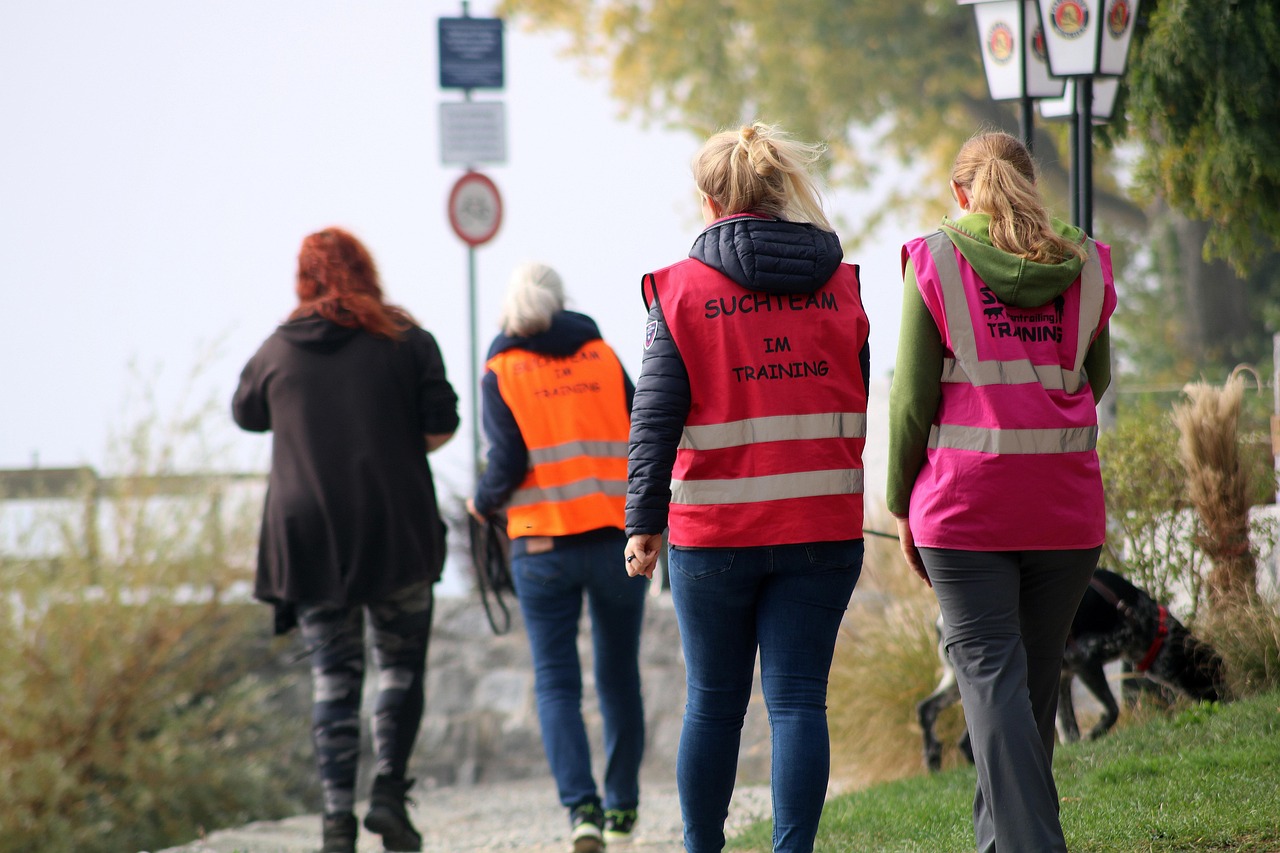

The Role of Agility Training in SAR Performance
Agility training plays a vital role in enhancing the performance of search and rescue (SAR) dogs. These dogs undergo specific training that focuses on improving their physical and mental agility. This type of training develops their ability to quickly navigate through various terrains and obstacles, which is essential during rescue operations. SAR dogs often face complex environments, such as woods, urban landscapes, or disaster sites. By incorporating agility exercises, handlers can boost their dog’s confidence and response times. Additionally, agility training teaches dogs to work closely with their handlers, strengthening the communication bond. A well-trained SAR dog will not only locate missing persons but will also respond promptly and efficiently to their handler’s commands. This training is critical for real-life search situations, where time is of the essence. Exercises may include navigating through tunnels, weaving between poles, or jumping over hurdles. These activities not only improve physical fitness but also enhance problem-solving abilities, which is necessary when adapting to unexpected situations. Therefore, agility training is essential for ensuring that SAR dogs can perform optimally in high-pressure environments. This training is beneficial for both the dogs and their handlers.
Importance of Physical Fitness
An integral aspect of agility training is promoting the physical fitness of SAR dogs. These dogs require a high level of endurance, strength, and flexibility to perform their duties effectively. Through agility training, handlers can observe improvements in their dog’s physical capabilities, allowing for better performance in real-life rescue scenarios. Exercises such as climbing and jumping enhance muscle strength while improving coordination, making them more effective during missions. Furthermore, agility training helps prevent injuries, as stronger and more agile dogs are less likely to sustain harm during strenuous activities. Proper conditioning through agility workouts prepares dogs for the varying challenges they may encounter, including rough terrain and unpredictable weather conditions. During training, it’s vital to monitor the dog’s physical responses to different activities, ensuring that they remain motivated while avoiding fatigue. Agility training should be diverse, blending various exercises that engage different muscle groups. Handlers must consistently assess their dogs’ endurance levels and adapt training programs as needed. Consequently, maintaining physical fitness through agility training is instrumental in maximizing a SAR dog’s performance in critical situations.
Communication skills between SAR dogs and their handlers significantly enhance performance. Agility training reinforces the bond between them and establishes a strong communicative foundation. During exercises, handlers develop signals and cues that their dogs naturally learn to understand and respond to. This physical connection becomes crucial during searches, where clear communication can lead to success. A dog that is attuned to its handler’s commands will execute tasks more effectively, which is essential when under pressure. Using positive reinforcement techniques, handlers can motivate their dogs during agility sessions, resulting in improved response times. Additionally, agility training encourages mental stimulation, as dogs learn to think creatively to overcome obstacles. By navigating through diverse challenges, dogs become better decision-makers in the field. This adaptability is a significant asset when encountering unique situations during search operations. Handlers should ensure that training remains engaging and rewarding to maintain motivation and enthusiasm. An engaged SAR dog is likely to perform at its best when deployed. Ultimately, effective communication and understanding forged during agility training significantly impact overall performance during real SAR missions.
Moreover, incorporating agility training into standard search and rescue methodologies enhances teamwork between dogs and handlers. A cohesive unit is crucial in high-stress rescue situations, emphasizing the importance of synchronized movements and understanding. This teamwork ensures that both the dog and handler work seamlessly together, leading to efficient search patterns. The agility training process creates a scenario where handlers can practice timing, positioning, and strategic planning, crucial elements in SAR missions. Consistent practice ensures that both parties become familiar with each other’s movement styles and cues, elevating their synchronization during an actual deployment. Successful searches often hinge on the ability to adapt quickly, and this adaptability is honed through agility obstacles. Additionally, both dogs and handlers learn to establish trust, an essential component when facing challenging terrain or dangerous environments. Over time, this training forms an indelible bond that enhances their overall effectiveness as a team. Ensuring ample practice time together fosters this communication, leading to greater situational awareness for the team. Consequently, agility training does not just enhance the dog’s agility; it strengthens the partnership vital for successful SAR operations.
Real-Life Application of Agility Training
The real-world applications of agility training in SAR scenarios highlight its significance in operational success. Rescues often occur in unpredictable environments; therefore, dogs must react quickly and efficiently. A well-trained SAR dog can adapt its behavior in various situations and terrains, showcasing the importance of agility training. For instance, in emergency situations like natural disasters or urban incidents, trained dogs can maneuver through debris while executing search protocols. They conserve energy by navigating effectively through obstacles, allowing them to cover more ground. Moreover, agility training directly influences how quickly a dog can respond to its handler’s commands when under duress. Increased agility leads to faster decision-making processes and execution during critical operations. Training sessions simulating rescue scenarios help dogs learn to manage their energy levels, ensuring peak performance during actual deployments. This advanced preparation equips dogs to successfully locate missing persons quickly. Hence, agility training translates directly into successful SAR operations, making it an indispensable component of any rescue program.
Lastly, agility training contributes substantially to the overall mental well-being of SAR dogs. Engaging in physically stimulating activities not only enhances fitness but also alleviates stress and boredom. Dogs, similar to humans, thrive in stimulating environments where they can challenge themselves and receive positive engagement from their handlers. An agile dog is often a happy dog, as consistent training fosters mental sharpness and reactivity. Incorporating agility training into regular schedules breaks monotony, encouraging both physical exertion and fun for the dog. Happy dogs are usually more eager to participate in practical SAR training, improving their effectiveness during missions. Moreover, this mental stimulation can help combat common behavioral issues that may arise from inactivity or boredom. Handlers should strive to maintain a balanced training regimen incorporating agility exercises to enhance mental and emotional health. Such considerations ultimately result in well-rounded, prepared, and enthusiastic SAR dogs ready to tackle challenges. Recognizing the importance of agility training in overall dog welfare is paramount to sustaining long-term effectiveness in search and rescue roles.
The future of search and rescue training lies in the evolution and enhancement of training methods, particularly agility training. As the field progresses, focus on integrating advanced techniques like virtual reality and drone-assisted training will become pivotal. These innovations can simulate real-world rescue scenarios, providing dogs with the agility and responsiveness needed for dynamic environments. Furthermore, ongoing research into canine behavior and training efficacy will likely lead to even more specialized training programs aimed at maximizing dog performance. Handlers must stay current with developments in training methodologies, which continually evolve to include emerging psychological theories and technologies. Insights from these advancements can enrich traditional agility training frameworks and develop more comprehensive training systems. Additionally, it’s essential for professional trainers to share findings within the SAR community to promote best practices and enhance overall program effectiveness. Continuing education and collaboration will drive the SAR field forward, ensuring efficient rescue operations leveraging agility training’s full benefits. In summary, agility training will remain a cornerstone in shaping effective SAR dog teams, equipping them to address the complexities of future rescue challenges.
In conclusion, agility training is vital to the successful performance of search and rescue dogs. Through this specialized training, handlers can enhance their dogs’ physical abilities and build stronger communication lines between them. Dogs that excel in agility training are well-equipped to tackle diverse environments they may face during actual rescue missions. The physical fitness gained through agility exercises enables dogs to maintain energy levels, reducing the risk of injuries. Additionally, mental stimulation from these activities prepares dogs to make quick and decisive adjustments during stressful situations, ultimately enhancing their overall performance. Teamwork developed during agility training fosters mutual trust and understanding, ensuring compatibility between the dog and handler, which is crucial for effective field operations. Real-world applications of agility training prove its significance in maximizing a SAR dog’s capabilities. Furthermore, a focus on mental well-being promotes long-term career satisfaction for these dogs. As technology and methodologies evolve, agility training remains a cornerstone for search and rescue teams. Investing in agility training is not just an investment in physical skills; it’s an investment in the entire SAR team’s success. Embracing this holistic approach ultimately fosters better outcomes in rescue operations.