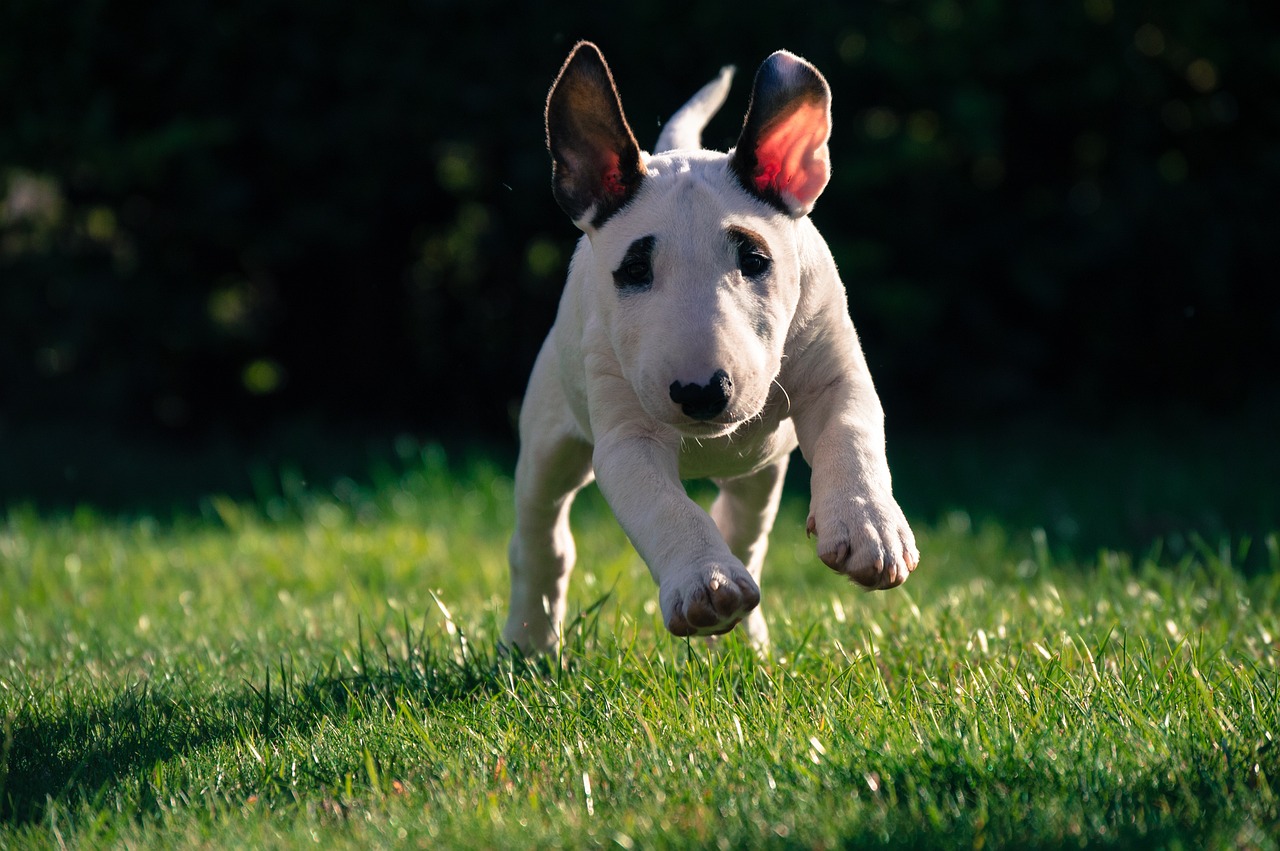

Bull Terrier Puppy Milestones: A Month-by-Month Guide
The journey of raising a Bull Terrier puppy is filled with exciting developments and unique challenges. Understanding what to expect as your pup grows can help you provide better care and enable you to tailor your training methods effectively. During the first month, your pup is adjusting to a new home, learning basic commands, and socializing with family members. It’s crucial to establish a routine that includes feeding, potty training, and playtime. Their curious nature means they will explore everything, so be prepared for the inevitable messes and mischief. Investing in safe toys is vital to stimulate them whilst keeping them out of harm’s way. Each week during this month is essential as their growth and adaptation occur rapidly. They will begin to form bonds with their new family and require plenty of affection and positive reinforcement to build confidence. By the end of the first month, you should see considerable personality development. Planning regular visits to the vet is also important for vaccinations that kickstart their health journey. With each day, you’ll notice more of their delightful quirks!
Week-by-Week Insights for Bull Terrier Puppies
As the weeks progress, the developments become more specific, beginning with the second week when your Bull Terrier puppy will show stronger signs of personality. At this age, they’re still learning basic commands like “sit” and “stay.” Consistent training sessions of 5-10 minutes are ideal, focusing on building trust and understanding. Encourage learning with treats, as Bull Terriers are food motivated. Socialization is crucial during this time, exposing them to various sounds, sights, and other pets increases their comfort in different environments. Taking your pup outside for short walks, beginning with controlled environments, can significantly enhance their confidence and promote good behavior. The third week emphasizes the importance of play. Interactive games can stimulate their mental and physical growth. Establishing boundaries through playtime is vital, so they understand what behavior is acceptable. By the end of this week, watch for your pup’s eagerness to learn and play. The fourth week should focus on improving house training, encouraging them to go outside consistently. Use positive reinforcement whenever they succeed; this approach nurtures a harmonious atmosphere.
Throughout the second month, your Bull Terrier’s personality continues to shine, showcasing its distinctive traits. With increased confidence and energy, they will respond even more positively to training and commands. Week five typically brings about significant behavioral growth. Your puppy may start to test boundaries, which is common for this breed due to its spirited nature. It’s crucial to remain consistent with the training regimen established earlier. Practicing commands with patience helps them feel secure and understand what’s expected. By week six further socialization is essential; consider puppy classes where they can interact with other dogs. This experience will aid in developing their social skills and diminish fear or aggression issues later. In week seven, your puppy should be begin to fully grasp basic commands and perform them more reliably. This is the perfect time to challenge them with new tricks. Engaging activities not only provide mental stimulation but also reinforce your bond. As the second month concludes, schedule a vet visit to ensure vaccinations are on track. Monitoring growth and health is crucial for your Bull Terrier’s development.
Adolescence and Training: Month Three Insights
The third month marks a critical time in your Bull Terrier’s development as they transition from puppyhood to adolescence. This month, you’ll notice increased energy levels and possibly some rebellious behavior. Consistent training and structure are paramount; don’t allow bad habits to form during this phase. Week eight typically presents changes as your puppy begins to test their independence more frequently. Reinforcing commands and boundaries consistently is essential. Incorporate various training techniques, including clicker training and positive reinforcement to keep sessions engaging. Physical exercise becomes more critical now, so daily walks should be extended and enriched with playtime. By the end of week nine, ensure that you’re encouraging interaction with new environments, people, and pets. Adequate socialization helps your pup develop a well-rounded temperament. In week ten, you might notice they’re becoming more adventurous, possibly leading to some trouble. Use leash training to guide squirrels, bikes, or other distractions. By week eleven, introduce fetch or agility exercises to channel their energy positively. This third month is crucial for building the adult dog you desire, so stay patient and encouraging to shape good habits.
Maintaining a Healthy Routine in Month Four
With the arrival of the fourth month in your Bull Terrier’s life, the impact of consistent training and socialization will start to solidify. This month, it’s important to maintain a balanced daily routine for your pup. Week twelve includes more physical challenges; engage in varied activities such as running or swimming, introducing them to diverse environments. This will not only satisfy their exuberance but also bolster their overall health. Their diet must be adjusted according to their growing needs, focusing on high-quality and breed-specific nutrition. Regular vet check-ups are necessary to monitor their health, including any vaccinations. Week thirteen is also about reinforcing learned commands. Your Bull Terrier may still exhibit a stubborn streak, but patience and consistency will yield results. Basic commands should be revisited often to create a strong foundation for advanced training as they mature. By week fourteen, group playdates can be beneficial for honing social skills; they help reinforce behavior around other dogs. Keep an eye out for any signs of anxiety or aggression during such interactions. Keeping a record of their milestones can guide your training process effectively.
As month four ends, you should have a deeper insight into your Bull Terrier’s personality and capabilities. This reflection allows you to develop enhanced training strategies tailored specifically to their inclination. Week fifteen offers ample opportunities to introduce variety in training exercises. Using engaging materials, such as puzzle toys or treat dispensers, stimulates their intelligent minds and strengthens your bond. Consistent reinforcement of good behavior during these activities is crucial. Week sixteen can be dedicated to planning engaging outings; extravagant excursions to dog parks help improve their social interactions while tiring them out. It’s essential that even with their vitality, your Bull Terrier has moments of calm during the day; this helps them feel secure in the home. By week seventeen, agility training can be introduced, enhancing their physical abilities and confidence. Ensure that all activities prioritize safety, especially in unfamiliar environments. You’re laying the groundwork for a well-socialized adult Bull Terrier. Don’t forget to schedule mid-month vet visits to monitor health progress, adjusting their food intake or training methods as needed.
Finalizing the First Six Months: Key Takeaways
As your Bull Terrier approaches six months, you’ve witnessed a remarkable transformation from a tiny pup to a promising young dog. The fifth month will have challenged both you and your pup in unexpected ways but provided exciting achievements as well. During week eighteen, establish more rigorous training sessions that require focus and discipline. At this age, they’re capable of learning advanced commands and tricks; introduce variety to keep them engaged. Week nineteen gives you an overview of their physical growth. If your pup is outgrowing their toys or needs larger food portions, adjust those accordingly. Likewise, understanding their breed traits and common behavioral characteristics is essential for anticipating their needs. Enjoy regular outdoor adventures together as this nurtures your bond and enhances their well-being. Maintain consistent communication and training techniques with the family to avoid confusion for your Bull Terrier. In week twenty, reinforce good behavior with consistent rewards. Social interactions remain foundational; arrange playdates and scheduled outings to stimulate their mental and physical health. Celebrating these six months of progress will encourage a stronger relationship as you continue growing together!
At the close of the sixth month, reflect on your journey so far with your Bull Terrier as delightful companions. You are well-equipped with training knowledge and strategies that will serve you both moving forward. During this time, your pup will begin showing interests that align with their unique personality; encourage these traits through positive reinforcement. Consider introducing more engaging activities, including agility or puppy sports classes, which can be particularly beneficial for energetic breeds like Bull Terriers. Week twenty-one should focus on firming up socialization with various unfamiliar dogs and people. Regular exposure will help buffer any tendencies toward cautious behavior or aggression in the future. As they venture fully into this adolescent stage, a consistent and structured training schedule will help reinforce boundaries. Building their confidence is crucial as they transition into adulthood, preparing them for further challenges. Week twenty-two welcomes continued exploration; consider beginning scent work or tracking. As the sixth month ends, maintain a strong but flexible approach to training, keeping pace with their development and adapting as necessary for their growth and happiness.