
Collaborative Success Stories: Dog Rescues in Conjunction with Animal Control
In communities around the world, animal control agencies often encounter the urgent need for collaboration with local dog rescue organizations. These partnerships help save lives, while ensuring that the dogs find loving homes. By pooling resources, knowledge, and networks, both animal control and rescue agencies enhance their capacity to care for these animals. For instance, when a stray dog is found, officers from animal control can safely transport the dog to a rescue shelter. Subsequently, the rescue team conducts a thorough assessment of the dog’s health and behavior. This initial evaluation is crucial to determine the most effective care and rehabilitation required.
Moreover, the collaborative efforts between animal control and rescue organizations help streamline the adoption process. When the rescued dogs are assessed and prepared for adoption, the rescue group utilizes their existing outreach mechanisms to connect with potential adopters. This is vital because these organizations often have a more extensive reach among local communities. By leveraging online platforms, social media channels, and community events, they can effectively promote the adoptable dogs. Ultimately, this increases the chances that more dogs will find homes much quicker than through conventional methods.
Another significant aspect of animal control collaborations with rescue groups is education and community outreach. Many dog rescues actively engage in educational programs that aim to inform the public about responsible pet ownership. By offering workshops, seminars, and informational materials, they promote spaying, neutering, and the importance of adoption. These initiatives directly decrease the number of homeless dogs in the community. Also, animal control units can join forces with rescues to host such events. These collaborations enrich community involvement while ensuring dogs receive the attention they need.
Shared Resources and Funding
Organizational partnerships also allow for shared funding opportunities. Both animal control and rescue organizations can often apply for grants that aim at reducing stray populations. They can propose joint initiatives and programs to potential funders. This increases the likelihood of securing financial assistance for their joint population control efforts. Additionally, shared resources such as facilities, medical care, and outreach programs lead to more effective operations. For example, veterinary care providers may offer discounts for legal stray impounding, further supporting collaborative initiatives.
Collaborative efforts often lead to innovative strategies for dog rehabilitation and training, particularly for those with behavioral issues. By sharing expertise and techniques from various organizations, the services provided can become more comprehensive. This not only benefits the dogs but also ensures that adopters receive adequate support for any potential challenges. Furthermore, collaborations allow volunteers from both sectors to come together and create diverse programs tailored to the needs of the community.
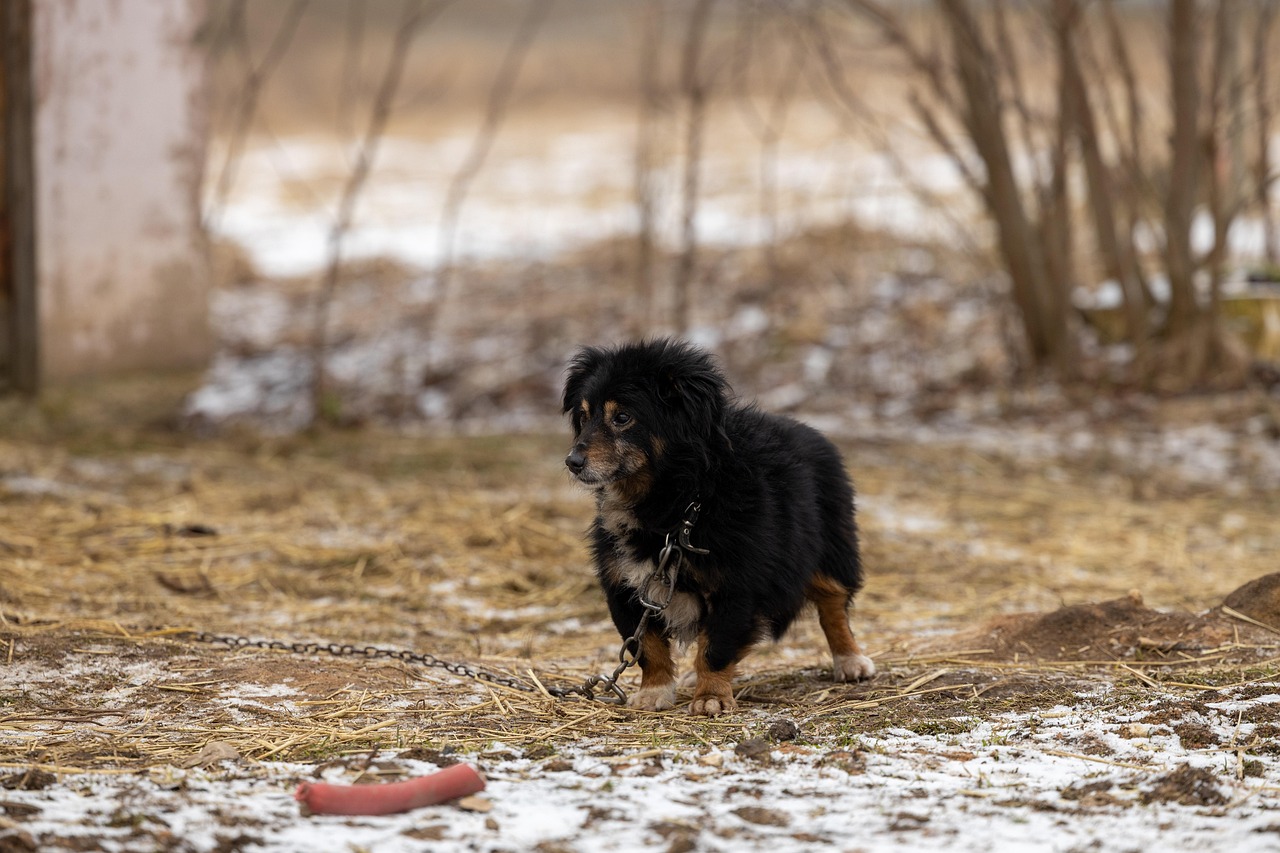
Some success stories highlight how timely interventions by animal control officers can save a dog from neglectful situations. These situations often require coordinated responses, including immediate rescue and subsequent care. Dedicated rescue organizations work closely with animal control to rehabilitate these mistreated dogs. Examples of such triumphs include successful transformations of once-neglected dogs that now lead happy lives. Such progress showcases the effectiveness of the partnerships formed to address issues surrounding dog welfare.
Long-Term Benefits of Collaboration
Ultimately, fostering connections between animal control agencies and dog rescue organizations can lead to long-term benefits for the community. By emphasizing the shared goal of animal welfare, these partnerships build a foundation for trust and cooperation. This synergy promotes a more profound commitment to addressing local challenges affecting stray dog populations. As communities recognize success stories, it inspires further collaboration and dedication to rescue and adoption initiatives.
In conclusion, it is evident that collaborative success stories are powerful examples of what can be achieved through teamwork. By recognizing the unique strengths and expertise that each organization brings, they can maximize their impact on dog welfare. Their united efforts transform lives, one dog at a time. With continued appreciation for collaborative efforts, we can help develop kinder and more compassionate communities for all dogs in need.