
How Stress Affects Litter Training and How to Manage It
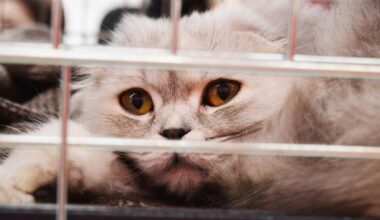
Litter training is a vital process for every cat owner, but stress can significantly impact its success. Understanding how stress affects your cat during this important phase is essential. Stress may stem from various factors, including changes in the household, disruption of the cat’s routine, or introduction of new pets. Cats are creatures of habit, and sudden changes can create confusion and anxiety. Identifying the stressors is crucial for addressing them effectively. For example, if you’ve recently moved or rearranged furniture, your cat might struggle to adjust to the new environment. Furthermore, changes, like loud noises or frequent visitors, also contribute to anxiety levels. It’s important to notice any behavioral changes in your cat. Instances of inappropriate elimination or avoiding the litter box can serve as key signs of stress. In addition, stress can manifest as hiding, aggression, or excessive grooming. By recognizing these signs early, you can better assist your feline friend during this challenging time. In turn, establishing a calm and supportive environment is vital for successful litter training and maintaining your cat’s well-being.
To effectively manage stress during litter training, you can implement several strategies designed to comfort your cat. Start by creating a reassuring environment to instill a sense of safety. Choosing a quiet location for the litter box can significantly help your cat feel secure. Also, maintaining a consistent routine aids in reducing anxiety. Regular feeding times, playtimes, and grooming sessions will help your cat adapt to predictable schedules. Gradually introducing new elements, such as different litter types or feeding schedules, allows your cat to gradually adjust without being overwhelmed. Additionally, providing hiding spots around your home can give your cat a refuge when they feel stressed. You may consider using enclosed litter boxes or cozy blankets nearby to create a safe space. Use calming products such as feline pheromone diffusers or sprays to promote relaxation. These products release soothing scents that mimic natural pheromones, which can be very beneficial. Playtime is also an effective distraction, allowing your cat to unwind and focus on something enjoyable instead of stressors. Regular engagement with your pet invites a sense of security, easing any training struggles.
Another approach to mitigate stress during litter training is to ensure you have the right materials and litter box setups. Selecting the appropriate litter is crucial; some cats prefer clumping litter, while others may favor non-clumping options. Testing different types of litter to find one that your cat enjoys is an essential part of the process. The box’s size and shape can also play a big role in your cat’s willingness to use it. A larger, open litter box may appeal more to your cat than a small, enclosed option. It’s important to be mindful of the cleanliness of the litter box as well. Cats are often quite sensitive to odors and unpleasant conditions. Cleaning the box at least once daily and completely changing the litter weekly are recommended actions. Be sure to also avoid placing the litter box near food or water bowls, creating a clear separation between these spaces to maintain a positive environment. Frequent cleaning and a comfortable setup make it more likely that your cat will feel at ease and utilize the litter box consistently, thus boosting success in training.
Understanding Your Cat’s Behavior
Monitoring your cat’s behavior is integral to understanding their emotional state during litter training. Cats exhibit various signs correlating with stress or discomfort. Scratching or excessive grooming may indicate anxiety, while refusing to use the litter box could be a direct response to unease. Recognizing these signs allows you to actively address the stressors your cat faces. Keep an eye on their body language, as a tense posture or tucked tail often reflects discomfort. Observe how your cat reacts when you attempt to introduce training efforts. If they retreat or hiss, they may need more time or a different approach to feel comfortable. Additionally, assessing their interactions with litter box elements, such as a new type of litter or box depth, can be telling. Gradual exposure to the litter box will allow them to adjust without fear, promoting positive associations. Engaging in gentle encouragement and patience while observing your cat’s preferences is important. Consistent observation helps adapt your training strategies based on your cat’s comfort threshold and necessary adjustments to fostering a supportive environment.
In some cases, stress-related behavior may lead to litter box aversion, making it essential to explore alternatives and solutions. If your cat has developed a habit of avoiding the litter box due to past fear or negative experiences, it may take longer to reintroduce them to the box successfully. A gradual approach, as mentioned before, is key. Consider setting up multiple litter boxes in different areas of the house, especially in quiet, cozy places where your cat feels safe. This can reduce the pressure on your cat and provide them with options when they need to relieve themselves. Additionally, enticing them back to the litter box can be achieved by placing treats or using toys nearby. You can also reward your cat after successful successful use of the litter box, reinforcing their positive behavior. Patience is vital during this period, as some cats require longer to adapt than others. Regularly assess your approach and be prepared to modify it according to your feline’s preferences and needs to foster a successful training experience.
Furthermore, you may consider consulting a veterinarian or animal behaviorist if you find litter training continues to pose challenges. These professionals can identify underlying health issues contributing to stress-related behavior. Sometimes, medical conditions can lead to inappropriate elimination or aversion to the litter box. Providing your cat with a thorough check-up may help address health concerns. Examining their diet and hydration levels can also optimize their well-being, contributing to successful litter training. Behavioral specialists can provide tailored strategies for reducing your cat’s anxiety during the litter box experience. They may recommend specific training methods or changes in environment to build your cat’s confidence. Creating a solid plan that includes behavioral techniques, medical consultations, and a supportive training approach will greatly assist in your litter training efforts. In the long run, proactive measures to address your cat’s unique needs correlate positively with training success. Understanding you will ultimately lead to a healthier, happier cat and a more successful litter box experience for both of you.
Conclusion
To sum up, managing stress effectively during litter training involves adopting a multifaceted approach that prioritizes your cat’s well-being. Both the environment and physical health significantly influence litter training success. Make sure all aspects of your cat’s life contribute positively to their emotional state, enabling contentment in using the litter box. Meticulously observe your cat’s behavior to identify stressors and tailor strategies to meet their unique needs. Create a calming environment with plenty of resources to help your cat feel secure during this transition. This includes dedicated time for affection, encouragement, and understanding their cues. It’s vital to communicate with your feline friend, fostering trust throughout the training process. Patience and consistency in your approach ultimately yield positive results, making it easier for your cat to adapt to litter box usage. Recognizing the signs of stress and addressing them proactively helps cultivate an atmosphere for a supportive training experience. Remember that every cat is an individual, and adapting to their needs effectively is key. Establishing a happy, stress-free litter training phase lays the foundation for a stronger bond with your cherished pet.