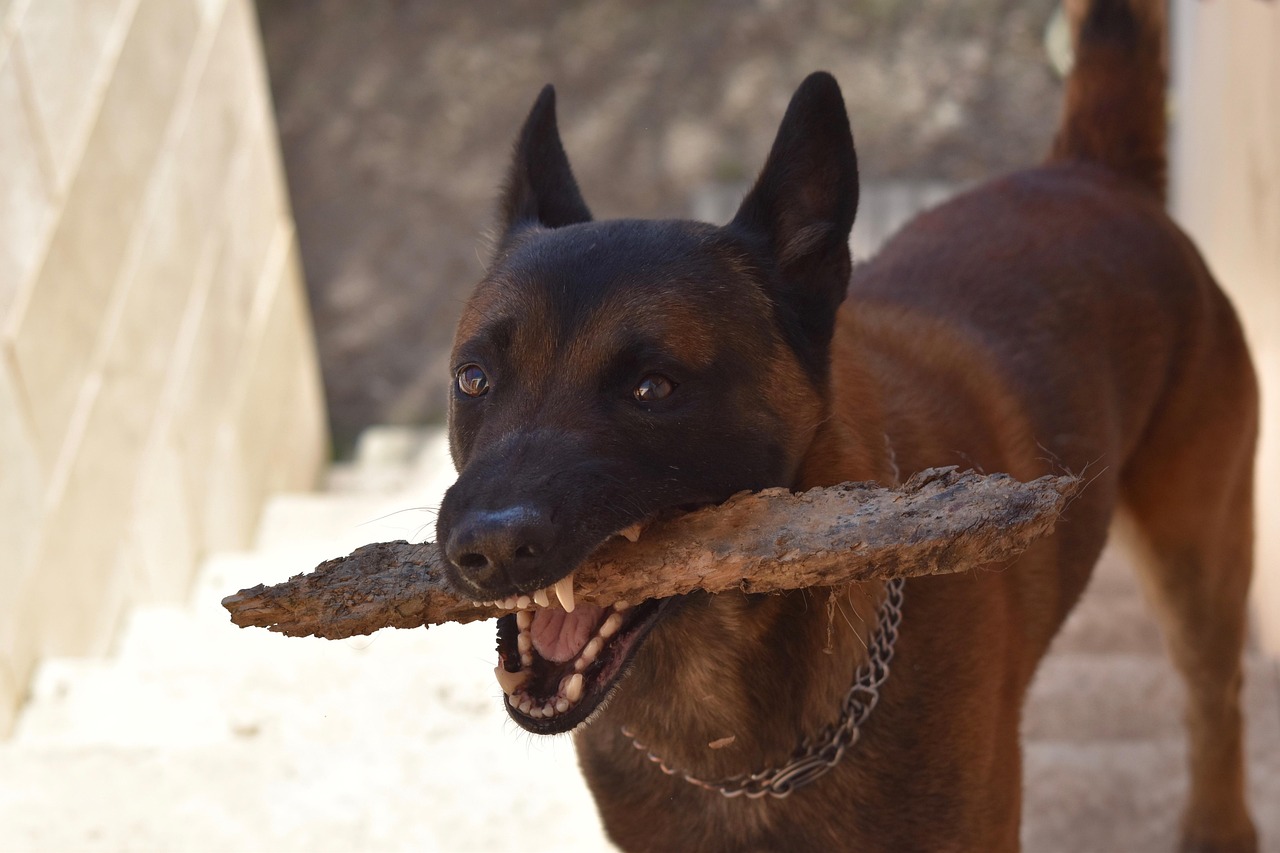

How to Deal with Common Behavioral Issues in Belgian Malinois
Belgian Malinois are intelligent, energetic dogs that require consistent training and socialization. Addressing behavioral issues begins with understanding these dogs’ unique traits, such as their strong work ethic and need for physical activity. Early training can prevent the development of problematic behaviors, such as excessive barking or separation anxiety. Owners should invest time in socializing their dogs, exposing them to various situations and people. One effective method is positive reinforcement, employing treats and praise to encourage good behavior. Training sessions should be kept short and engaging, reinforcing learning through fun activities. Enrichment is vital, as these dogs thrive when mentally stimulated. Utilizing puzzle toys and interactive games can keep them occupied and curtail destructive behaviors. Regular exercise is crucial; Malinois often require more than two hours of physical activity each day. Failure to provide adequate exercise may lead to boredom and potential behavioral problems. Therefore, it’s essential for owners to develop a structured routine that includes daily walks, playtime, and training sessions. Engaging in varying types of activities can keep the Belgian Malinois happy, healthy, and well-adjusted.
Another common issue observed in Belgian Malinois is aggression towards other dogs or people. This behavior often stems from fear, anxiety, or lack of proper socialization. To minimize aggressive tendencies, dog owners should prioritize early social exposure. Gradually introducing the dog to various environments, people, and pets can foster a more balanced temperament. Using a controlled environment, like a leash and muzzle if necessary, can ensure safety during introductions. Training commands such as ‘leave it’ or ‘stay’ can be useful tools for diffusing tense situations. If aggression persists, it may be helpful to consult a professional dog trainer or behaviorist. They can assess the dog’s specific needs and tailor a behavioral modification plan. Consistency in handling and discipline is crucial, as it helps reinforce the dog’s learning. Forms of punishment should be avoided to prevent possible escalation of aggression. Instead, focusing on redirecting the dog’s energy toward positive behaviors is more effective. Additionally, ensuring the dog has a secure, comfortable space can help alleviate anxiety. Providing a quiet area for the dog to retreat to when feeling overwhelmed is essential for their emotional well-being.
Separation anxiety is another common behavioral issue faced by Belgian Malinois. These dogs are known for their strong attachment to their owners, which can lead to distress when left alone. Signs of separation anxiety may include barking excessively, destructive behavior, or attempts to escape. To alleviate this issue, gradual desensitization can be effective. Start by leaving the dog alone for short periods, gradually increasing the duration as they become more accustomed to solitude. Providing engaging toys or puzzles can distract them during these times. It is beneficial to establish a consistent routine, as predictability can give the dog a sense of security. Additionally, creating a designated space where the dog feels safe and relaxed may help ease their anxiety. Interactive video monitoring can help owners observe their dog when they’re away, providing reassurance. If these methods don’t lead to improvement, consulting a veterinarian is advisable. They may recommend behavioral therapy or medication in extreme cases. Nevertheless, addressing separation anxiety early will help prevent more serious behavioral problems down the road. With patience and consistency, owners can help their Belgian Malinois cope with solitude.
Destructive Behavior Management
Destructive behavior is frequently observed in Belgian Malinois for various reasons, particularly due to boredom or lack of exercise. These dogs require a lot of stimulation mentally and physically. Providing adequate outlets for their energy prevents destructive tendencies, such as chewing or digging. Establishing a schedule that includes training, exercise, and mental activities will help keep the dog engaged. Problem-solving toys are especially effective because they challenge the dog while rewarding their efforts. Encouraging appropriate chewing behaviors, for instance, by providing safe chew toys, redirects their urge to chew on furniture or shoes. Regularly rotating these toys keeps them interested and excited. Furthermore, teaching commands like ‘leave it’ or ‘no’ can provide clear guidelines for expected behavior. If the dog engages in destructive actions, redirecting them promptly is essential. For more severe cases of destructive behavior, consulting a professional trainer may be beneficial. They can provide tailored strategies to address specific issues. Building a strong bond through training will not only mitigate destructive behaviors but also increase trust between the owner and the dog, leading to a more harmonious living environment over time.
Shyness or fearful behavior in Belgian Malinois can hinder their social development and lead to challenges in everyday situations. This anxiety often presents itself in new environments or when meeting unfamiliar people or animals. To help a shyer Malinois, it is vital to create a positive environment where they can safely explore and gain confidence. Using positive reinforcement while introducing them to various scenarios is crucial. Encouraging exploration while offering praise can help build their self-esteem. Forcing a dog into a frightening situation can exacerbate their fears. Instead, allowing them to approach a new experience at their own pace will lead to more successful outcomes. Offering safe spaces where dogs can retreat during stressful situations is also important. Patience is critical, as overcoming fear takes time and consistent effort. Engaging in group training classes can also be beneficial by providing structured socialization opportunities in a controlled manner. If shyness continues despite these efforts, seeking expert guidance from a trainer or behaviorist is advisable. With the right support and care, owners can help their Belgian Malinois develop into confident and well-adjusted companions.
Managing Resource Guarding
Resource guarding is a behavioral issue where a dog may growl, snap, or become possessive over food, toys, or even space. Belgian Malinois, known for their loyalty, may exhibit this in an effort to protect what’s valuable to them. Addressing resource guarding begins with understanding and recognizing early signs of discomfort. Training can help mitigate this behavior through controlled desensitization. Begin by practicing near their valued objects, rewarding calmness and relaxed behavior. Gradually moving closer while offering treats creates positive associations with the presence of people near their items. Teaching commands such as ‘leave it’ while practicing drop it exercises encourages a cooperative attitude. An important part of managing resource guarding is ensuring the dog knows there are no reasons to feel insecure. Providing consistent, fair boundaries and reliable routines brings stability. Discarding the mindset of punishing them for guarding will lead to undue stress. Instead, focusing on rewarding desirable behavior encourages a positive environment. Professionals specializing in dog behavior can provide further insights and recommendations on addressing severe cases. Resolving resource guarding through understanding can significantly enhance the dog-owner relationship.
Finally, maintaining a consistent training regime is vital for Belgian Malinois owners. Consistency helps reinforce learned behaviors, ensuring that dogs understand their place in the household. Establishing rules and sticking to them helps avoid confusion for the dog. Equally important is the owner’s approach to discipline; harsh punishment can lead to fear-based reactions, which worsen behavioral problems. Instead, using positive reinforcement techniques to reward good behaviors is far more effective and fosters a trusting bond. Incorporating regular training and refreshers into the dog’s routine will keep their skills sharp and retain their attention. Importantly, owners should ensure that everyone within the household applies the same expectations, preventing mixed signals that can confuse the dog. Additionally, patience and commitment are crucial components throughout this process. Building upon small successes fosters a sense of accomplishment for both the dog and owner. The time spent engaging, training, and exercising with a Belgian Malinois strengthens their overall mental and physical health. Overcoming behavioral challenges will gradually lead to a more rewarding and harmonious relationship between the dog and its owner. With a loving and supportive approach, excellent outcomes can be achieved.
Conclusion
In conclusion, addressing common behavioral issues in Belgian Malinois revolves around consistent training, positive reinforcement, and ample exercise. Fostering a good relationship and understanding these dogs’ unique needs can lead to balanced behavior. With early socialization, focusing on mental stimulation, and consistent rules, owners can help their Malinois thrive. When faced with specific challenges, seeking professional assistance is always an option. With time and dedication, owners will realize their efforts create a positive environment that leads to well-behaved, happy companions. Educating oneself about the breed’s traits creates a strong foundation for training success. From managing destructive behaviors to combatting resource guarding, it’s essential to address these issues promptly. Investing in a well-behaved Belgian Malinois brings countless rewards, including enhanced trust, loyalty, and companionship.