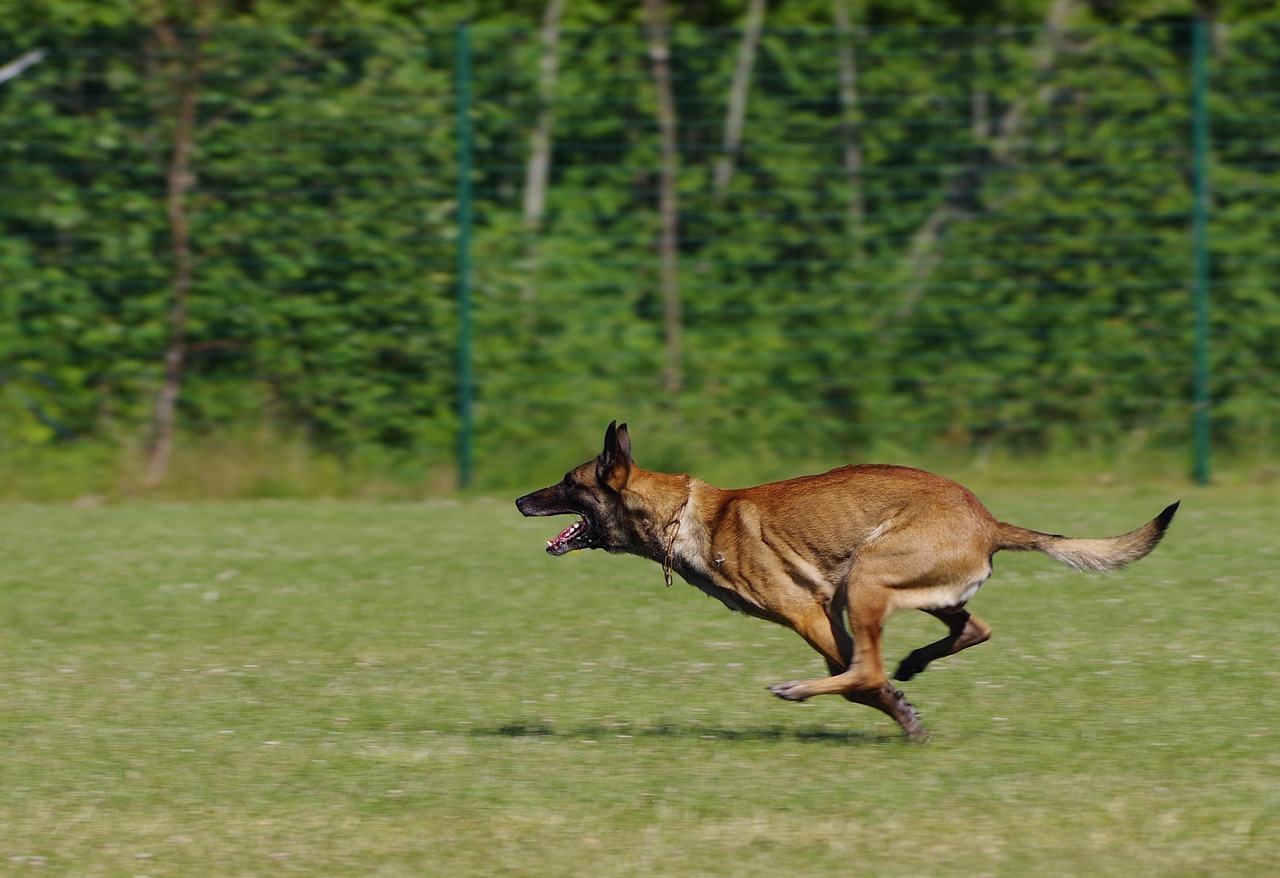

Planning Your First Endurance Run with Your Dog
Endurance running with your dog is an exciting and rewarding activity that strengthens the bond between you and your canine companion. However, it’s essential to plan properly to ensure a safe and enjoyable experience for both you and your furry friend. Start by assessing your dog’s health and endurance level; consult your veterinarian to confirm your dog is physically fit for running. Additionally, choose the right gear, such as a supportive harness and a leash suited for running. These items will help maintain control during your runs and provide comfort for your dog. Also, introduce your dog to the running environment, allowing them to get familiar with the sights, sounds, and smells. The following steps are crucial in training: gradually increase the distance over time, prevent overexertion, and keep your dog hydrated before, during, and after each session. Pay attention to any signs of fatigue or discomfort to keep your dog safe. A gradual approach will create a positive running experience, ensuring that both of you will enjoy the journey together over time. Try to commit to a consistent schedule for better results.
Training Essentials for Endurance Running
Effective training for endurance running is vital for successful and enjoyable experiences with your dog. Establish a training schedule that incorporates steady increases in distance and intensity, gradually preparing your dog for longer runs. Start with short distances, allowing ample rest and recovery between workouts. Incorporating interval training is beneficial as well; alternate between periods of faster running and walking to build stamina while maintaining your dog’s interest. Be mindful of your dog’s dietary needs; provide a healthy diet and maintain appropriate weight to enhance performance. Throughout the training, use positive reinforcement techniques to motivate and encourage your dog, associating running with fun and rewards. Consider forming a running group with fellow dog enthusiasts, as it can increase motivation for both you and your dog. Regularly assess your dog’s physical condition during training and adjust your regimen accordingly, ensuring that they remain fit and healthy. Remember to mix up routes and terrains to keep the process enjoyable and stimulating. With patience and consistency, you’ll both develop the stamina needed for longer endurance runs together.
In addition to physical fitness, mental stimulation is crucial for endurance running with your dog. A well-engaged dog is often more cooperative and motivated during activity. Explore various techniques to enrich your dog’s mental experience, such as introducing them to agility exercises, tricks, or nose work. Keeping their excitement levels high can make training more enjoyable and ensure they remain focused during runs. Another essential aspect is understanding weather conditions; monitor temperature and humidity levels, ensuring that running during extreme weather is avoided. Dogs are less tolerant of heat than humans, so choose cooler times of the day to run, such as mornings or evenings. Bring along water for hydration breaks, as dogs can also suffer from dehydration. Additionally, consider purchasing dog booties to protect their paws from hot pavement or rugged terrain, ensuring a comfortable experience. Hide treats along your running route to keep motivation high and reinforce positive behaviors. Balancing physical and mental factors creates a well-rounded training approach, making preparation for the endurance run both satisfying and fruitful.
Choosing the Right Distance and Route
Selecting the appropriate running distance and route is essential for endurance training with your dog. Begin by determining your dog’s current fitness level and gradually work up to longer distances. Generally, starting with 1 to 3 miles is advisable for beginners, gradually increasing by 10%-20% each week. Pay attention to your dog’s reactions and adjust distances; showing signs of fatigue or disinterest means it’s time to shorten the run. Moreover, choose safe and dog-friendly routes, such as parks, trails, or roads with minimal traffic, ensuring your dog’s safety during runs. Avoid high-traffic areas that can be overwhelming for dogs, opting instead for quieter environments. Additionally, look for routes with varied terrains to provide a more engaging experience; alternating between grass, dirt, and hills offers diverse challenges for your dog. Incorporate landmarks or scents that pique your dog’s curiosity along the way to maintain interest. By carefully selecting distances and routes, you can ensure enjoyable endurance running sessions, benefiting both you and your beloved canine.
Nutrition plays a significant role in endurance running for both you and your dog. Keeping your dog well-nourished ensures they have enough energy during runs. Feed them a balanced diet composed of high-quality proteins, healthy fats, and carbohydrates, tailored to their age, size, and activity level. Additionally, sticking to a consistent feeding schedule can significantly benefit your dog’s digestive health and performance. Consider a small, nutritious snack before a run to fuel your furry athlete; avoid heavy meals right before running. After runs, provide light snacks or meals rich in protein to aid muscle recovery. Likewise, for your hydration needs, always carry water for both yourself and your dog. Bottles with attached bowls or collapsible dishes are great for easily providing water during breaks. Monitor your dog’s energy levels and appearance closely; adjusting food intake or water supply based on the duration and intensity of the run. Nutritional strategies must align with your training regimens, creating a comprehensive approach to enhancing performance during endurance runs.
Safety Tips for Endurance Running
When engaging in endurance running with your dog, safety precautions must be a top priority. This includes checking for any health conditions and ensuring they have the proper vaccinations and treatments in place, such as flea and tick protection. Always wear reflective gear during early morning or evening runs to enhance visibility, making it easier for others to see you. Alongside this, educate yourself on canine first aid; familiarizing yourself with basic techniques can save your dog’s life in emergencies. Always carry a first aid kit specifically for your dog, containing essentials such as bandages, antiseptic wipes, and any necessary medications. Gradually expose your dog to various environmental conditions, like music from busy streets or unusual animals, ensuring they remain calm while running. Observing your dog’s behavior and adjusting accordingly is vital for a successful experience. Be aware of their paw health, inspecting for cuts, blisters, or any signs of discomfort after every run. Instilling a strong foundation of safety prepares both of you for successful and sustainable endurance running.
Joining local running clubs or participating in organized dog running events can greatly enhance your endurance running experience. These communities provide opportunities to share tips, experiences, and advice with fellow running dog owners. Connecting with others who have similar interests can also help keep motivation high, as consistency and camaraderie are critical to success. Look for local groups that focus on dog sports or running activities where you both can participate safely. Networking can lead to helpful training partners and races specifically designed for dog runners. Consider joining social media groups dedicated to dog sports, providing support and resources to improve your endurance training. Furthermore, participating in competitions can provide necessary motivation, offering goals that encourage your progress. Documenting your dog’s achievements through pictures or online posts can create a sense of accomplishment and inform others of your journey. Sharing this experience not only strengthens your bond but also gets your dog excited about running; teamwork is the essence of enjoying endurance running together. In this way, you will harness the motivation needed for improved performance.
Lastly, remember to embrace the joy of running with your dog. While training and preparation are important, the ultimate goal is to enjoy the process while building a strong connection with your canine companion. Celebrate achievements together, regardless of their size; whether it’s completing a new distance or mastering a specific technique, acknowledging progress keeps enthusiasm alive. Make it a fun adventure rather than a strict regimen; explore new trails, discover scenic locations, or partake in outdoor events that welcome dogs, creating lasting memories. Keeping sessions varied and rewarding ensures a positive running experience for both of you. Include games or playful interactions during your runs to keep things fresh and exciting. Regularly include rest days in your routine; this allows both of you to recuperate and regain energy. Endurance running is not just about distance; it’s about the journey and experiences you share together. Ultimately, the great moments created during these runs strengthen the bond between you and your dog while promoting fitness for both parties. The companionship forms a deep trust that enriches your overall quality of life, making every run a shared adventure.