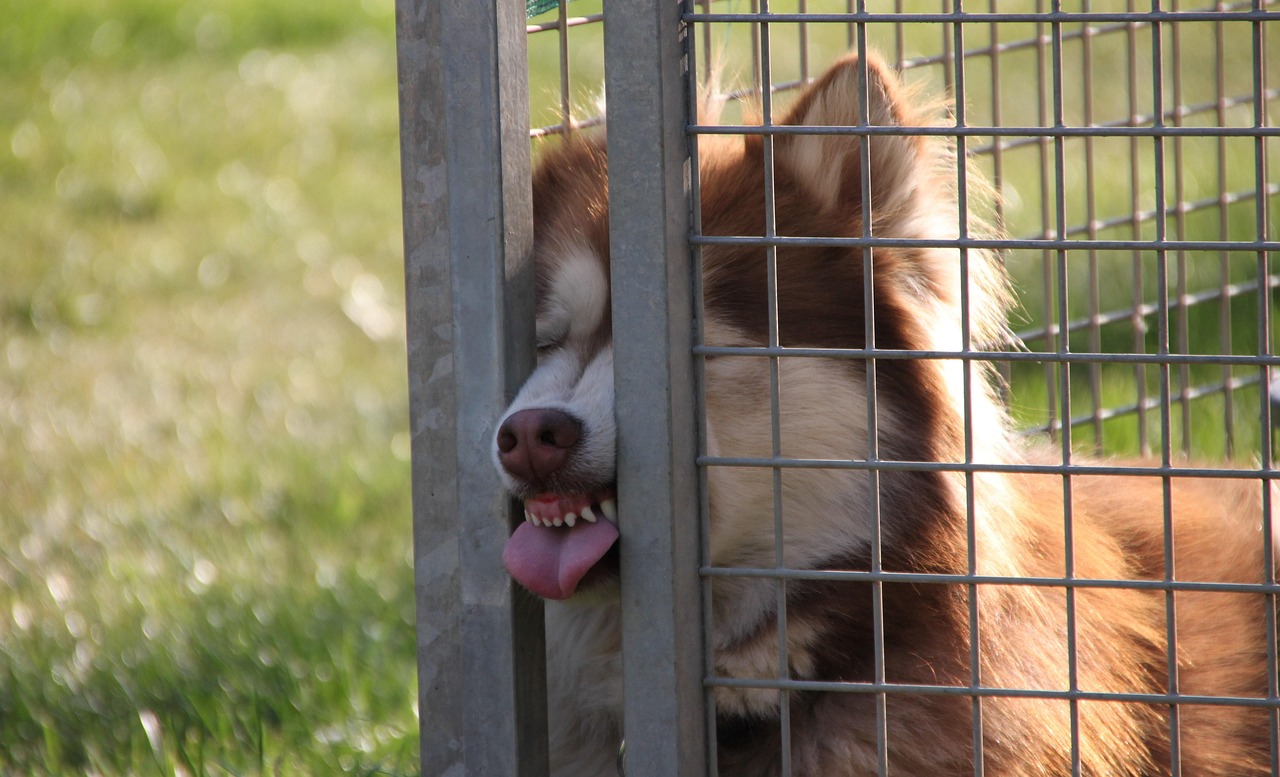

The Psychological Impact of Dangerous Dog Labels on Dogs and Owners
The designation of a dog as “dangerous” profoundly influences both the animal and the owner. Owners may feel stigmatized and judged by society, leading to significant emotional distress. This label often changes public perception, instilling fear and mistrust among community members. Routine activities such as daily walks can become stressful experiences, as owners navigate dual emotions of shame and defensiveness. The owners frequently worry about how others view their pets, fearing confrontation and negative assumptions. Furthermore, repeated labeling can lead to a cycle of anxiety and aggression in dogs, as they may pick up on their owner’s stressed behavior. This scenario results in heightened vigilance and reactivity, causing behavioral changes. It is essential to consider the role that responsible dog ownership plays in countering these effects. By advocating for training and socialization, owners can reduce stigma and enhance their dogs’ experiences. This combination of support and understanding fosters a positive environment, benefiting both dogs and their families. Ultimately, it’s crucial for communities to implement fair assessments and offer guidance to mitigate these negative impacts on both animals and their owners.
The label of being a dangerous dog can lead to numerous behavioral issues rooted in fear and anxiety. When a dog is unfairly categorized or labeled as dangerous, it may provoke defensive or aggressive behaviors. The stress from this constant scrutiny can lead to increased anxiety levels in pets, which may cause them to act out. These behavior changes can create a cycle of misinterpretation, where the dog’s instincts are misunderstood, further exacerbating issues for the owner. Understanding behavioral triggers is essential in a service dog or therapy context, where calm demeanor is critical. Socialization plays a vital role during the early stages of a dog’s life, providing necessary exposure to various situations. This early engagement helps mitigate the stigma associated with dangerous labels. Owners must actively participate in social activities, reinforcing proper behavior through positive reinforcement approaches instead of viewing their pets with preconceived notions etched by society. Community programs supporting responsible pet ownership should be encouraged, creating safer environments. Initiatives that educate the public about canines and debunking myths surrounding certain breeds could also reduce unnecessary fear, equipping owners with the resources to combat societal prejudices effectively.
Legal Implications and Owner Rights
Dangerous dog designations carry significant legal ramifications for the owners, often leaving them unaware of their rights and responsibilities in various locations. Many municipalities have stringent laws that dictate the treatment of so-called dangerous breeds or dogs with a reported history of aggression. Owners might face eviction, additional insurance requirements, or even restrictions on public access to parks and recreational areas. The lack of clarity in these legal definitions creates challenges in defending against these labels. Owners often find themselves navigating uncharted legal territory, struggling to comprehend regulations and seek legal remedies. Consulting with legal professionals is crucial in order to understand the specific laws that apply, ensuring fair treatment under the system. It is also important for owners to document all instances of aggression or incidents to build a case against arbitrary definitions. This documentation may help in appealing mutations to a dog’s designation, potentially leading to reclassification. Moreover, engaging with local advocacy groups can be invaluable in creating awareness and mobilizing community support, resulting in necessary changes to these laws. Both owners and their dogs deserve protection and understanding amidst societal biases, promoting awareness for fair legal treatment.
The psychological toll on owners of dogs labeled dangerous can often be overlooked. Owners may experience feelings of guilt and anxiety regarding their dog’s behavior, fearing for their pets’ future. The emotional burden can lead to social isolation, affecting relationships with friends and family members. Many owners report hesitance in sharing their pet stories due to the fear of judgment or criticism. This stigma surrounding dangerous dog breeds can create barriers that prevent owners from fully engaging in community activities. As a result, support networks formed around dog ownership may be fractured. Connecting with other owners sharing similar experiences can lessen feelings of isolation, creating a shared understanding through their struggles. Otherwise, the lack of community connection could lead to owning a dog that feels abandoned and becomes increasingly distressed. Building a support system can foster resilience, encouraging owners to advocate for their pets positively. Owners can also explore counseling or behavioral training programs that help manage their and their pet’s psychological health. Providing joint support through therapy sessions or training classes allows both dog and owner to work together toward overcoming obstacles posed by the label. Ultimately, building supportive networks can empower owners, enhancing the well-being of their dogs.
Behavioral Modification and Training
To combat the stigma associated with dangerous dog designations, effective training can play a pivotal role in behavioral modification. Behavioral training supports dogs in understanding social cues, thereby reducing fear-based reactions. In many cases, animals previously labeled dangerous can reveal non-aggressive affinities when provided with the right training methods. Professional dog trainers can implement programs tailored to address specific behavioral issues resulting from stress or perceived danger. Training sessions focusing on socialization not only empower dogs to meet new situations confidently but also alleviate anxieties stemming from the owner’s perception. Gradually exposing dogs to diverse environments can enhance adaptability and confidence, breaking down preconceived notions imparted by society. Keeping the training consistent and rewarding promotes a positive learning environment that resonates with the dog. Incorporating positive reinforcement strategies is critical, steering the dog toward desired behaviors rather than reinforcing fear. Owners are encouraged to join in training classes as a shared experience, strengthening the bond between pet and owner while overcoming societal pressures. Collaboration with professionals specializing in rehabilitating labeled dogs can foster understanding and patience, ensuring the results adhere to well-rounded, happy pet ownership. Through dedicated training and education, dog owners can foster an environment demonstrating the value of every canine.
The emotional implications for dogs labeled as dangerous can be severe, often leading to behavioral challenges. The stigma surrounding these labels may evoke feelings of fear, confusion, and anxiety within the pet, ultimately impacting their ability to function positively in society. Dogs may react negatively, displaying aggressive behavior or retreating into a shell of shyness. This behavior can become circular as the label may prompt increased aggression or anxiety in dogs due to their owners’ stress and societal judgment. Engaging in positive reinforcement tactics, such as training sessions coupled with gradual exposure to people and various environments, can help combat these issues. Owners should prioritize building their pet’s confidence through encouraging behavior and providing reassurance. Moreover, understanding each dog’s unique personality plays a significant role in mitigating negative reactions. This comprehensive approach demands active involvement, highlighting the importance of consistent behavior from dog owners to create a support network for their pets. A community that emphasizes empathy and awareness toward pets labeled dangerous fosters positive change, contributing to improved outcomes. Gathering resources and understanding available assistance can elevate the well-being of these misunderstood animals and their diligent owners. Healthy communication among owners can facilitate growth in their understanding of these issues.
The Importance of Community Awareness
Community awareness can disrupt the negative psychological impact of dangerous dog designations, increasing understanding among residents. By promoting educational programs focused on canine behavior, communities can erase the stigma attached to certain breeds, reframing perceptions of fear. Events such as workshops and community engagement outings allow owners and their dogs to interact in a safe and controlled environment, diminishing biases. Providing insights into the responsible ownership of labeled dogs, communities can encourage more active participation from dog owners. This interaction fosters mutual respect and understanding between owners and non-dog owners alike. Local initiatives aimed at creating positive exposure paired with informative campaigns can cultivate an accepting atmosphere. Additionally, partnerships with animal behaviorists, local shelters, and training professionals can enrich discussions around responsible pet ownership. Awareness campaigns must emphasize recognizing behaviors over breed identification to engender compassion within the public. Empowering owners through knowledge can encourage them to advocate for policy changes addressing unfair labels assigned to their animals. Collectively, redesigning societal perceptions regarding dangerous dogs leads to improved relationships within communities, building a cooperative landscape where support thrives. Creating initiatives that promote understanding can ensure the safety of dogs and their owners while enhancing social interactions.
In conclusion, addressing the psychological impacts of dangerous dog labels is paramount for the welfare of both owners and their pets. The relationship between stigma, behavior, and community perception significantly influences the dynamics experienced by pet owners. By fostering awareness through educational initiatives, supportive communities, and effective training programs, it is possible to alleviate the detrimental effects of these labels. Owners possess the opportunity to actively engage in training, strengthen their pets’ social skills, and enhance their own understanding of canine behavior. When communities begin to recognize the individual nature of each dog beyond societal labels, acceptance flourishes alongside responsible ownership. Initiatives promoting empathy and respect can pave the way forward, allowing for the growth of well-rounded relationships between dogs and owners. Significant changes can be enacted when individuals unite to challenge existing biases, contributing to an atmosphere that embodies respect. Owners can take heed in advocating for their dogs by harnessing resources available to them and actively participating in community awareness. Ultimately, dismantling negative stereotypes associated with dangerous breeds is a shared responsibility. Ensuring that all dogs are perceived through a lens of understanding leads to a more compassionate and supportive society moving forward.