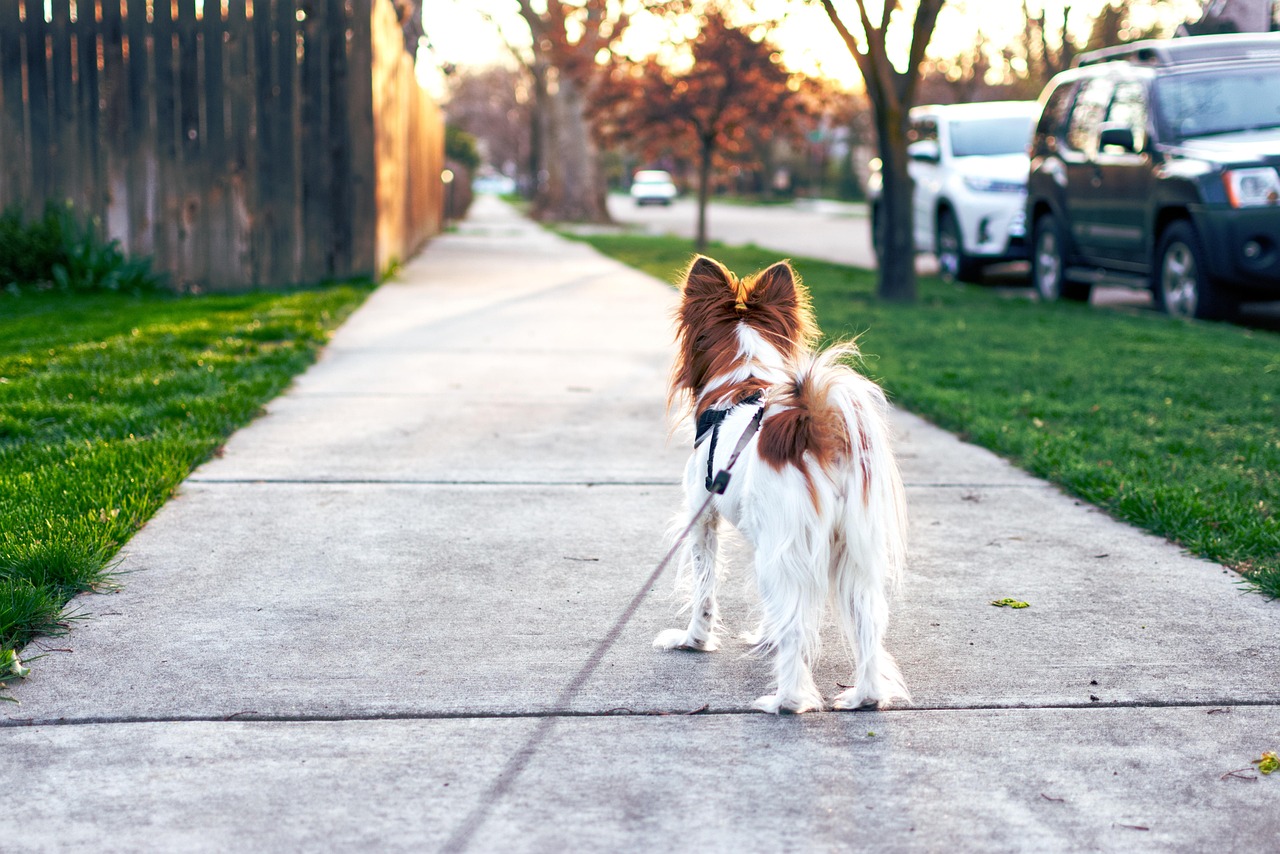

Common Mistakes to Avoid During Dog Walking
Walking your dog is an essential part of maintaining their health and wellbeing. However, many pet owners make mistakes during this routine activity. One mistake is using the wrong equipment for the walk. Selecting the appropriate leash and harness is crucial. Avoid retractable leashes; they can lead to accidents. Instead, opt for a sturdy leash with a comfortable handle. Additionally, ensure your dog’s collar or harness fits properly to prevent escape or discomfort. Another common oversight is neglecting to pay attention to the environment. Dogs are highly sensory creatures and will likely react to noises and scents. Be aware of your surroundings while walking, and adjust your pace or route as necessary. Also, note that socializing your dog is vital; they should be exposed to various situations, people, and other pets. Finally, remember to carry essentials like water, waste bags, and treats. These items ensure a smooth walking experience. Consider incorporating training exercises during walks to reinforce good behavior. By avoiding these common mistakes, you can enhance the joy of walking your dog, leading to happy walks for both of you.
Another common mistake dog owners make is failing to be aware of their dog’s body language. Dogs communicate through various signals, including tail position and ear orientation. Ignoring signs of stress, fear, or aggression can lead to uncomfortable situations. Always observe your dog’s reactions to other dogs or people during your walk. If your dog appears anxious or uncomfortable, adjust your course to avoid confrontations. Also, neglecting to manage distractions is another prevalent issue. It can be challenging to keep your dog focused, especially in busy areas. To mitigate distractions, practice commands like “sit” or “stay” before walks. Reward your dog for good behavior to maintain focus. Additionally, many dog owners underestimate the importance of a regular walking schedule. Dogs thrive on routine, and setting a consistent time for walks can create a sense of security. Moreover, varying routes can help stimulate your dog’s mind, preventing boredom. Incorporate different paths and new locations into your walking routine. Lastly, ensure you leave ample time for walks, as hurried walks can add unnecessary stress for both you and your dog.
Many dog walkers overlook the importance of proper pacing during walks. Rushing through a walk can have negative consequences on your dog’s physical and mental health. It’s important to allow your dog to sniff and explore their environment, as this stimulates their senses. A walk should not only be about exercise but also mental engagement. Try to match your dog’s natural pace, which typically involves short bursts of energy followed by periods of exploration. Additionally, another common fault is neglecting the importance of positive reinforcement. While walking, carry treats to reward your dog for good behavior. This will encourage them to follow commands and behave well. Regularly stopping to provide praise or a treat can enhance your dog’s walking experience. Also, avoiding changes in direction can be a mistake. Dogs often get confused if you change direction suddenly without warning. Stick to your planned route unless a diversion is necessary for safety or comfort. If changing direction, take a moment to signal your dog and ensure they follow you, maintaining a calm and steady approach throughout your walk.
The Importance of Hydration
Dog owners must be vigilant about their dog’s hydration, especially during long walks. Water is essential for maintaining your dog’s health, especially on warm days. Failure to provide water can lead to dehydration, posing serious health risks. Always carry a portable water bowl and fresh water during walks. Offer them water regularly to ensure proper hydration. Another mistake is not considering the weather conditions when walking. Hot pavement or extreme temperatures can harm your dog’s paws and overall comfort. During particularly hot days, plan walks for cooler times of the day, such as early morning or late evening. Conversely, cold weather can lead to discomfort or frostbite in certain breeds. Be mindful of your dog’s tolerance to cold and dress them appropriately. Moreover, familiarizing your dog with various terrains is often overlooked. Different surfaces can impact your dog’s health and enjoyment. Allow your dog to explore grass, gravel, sand, and other textures. Doing so helps them become adaptable and confident during walks. Keeping an eye on your dog’s energy levels is essential; taking breaks can prevent exhaustion during lengthy walks.
Another mistake involves neglecting the importance of consistency in training commands for walking. All family members should use the same commands and signals for clarity. Inconsistencies can confuse your dog, making walks challenging. Frequent practice on commands like “heel” or “leave it” helps reinforce good behavior during walks. If you’re introducing new commands, do it gradually, ensuring your dog understands. Additionally, many owners fail to clean up after their pets. Not doing so can lead to health and environmental issues. Carry waste bags, and always clean up after your dog to maintain cleanliness in public spaces. This practice shows consideration for others as well. Another common issue is walking with distractions like phone calls or music. Your focus should be entirely on your dog and the walk. Distractions can lead to accidents or missed cues from your pet. Keep your phone away and engage with your dog. Lastly, allow your dog some freedom to explore under control. A well-managed and fun walking experience can foster a stronger bond between you and your pet. Taking these tips into account can lead to more enjoyable and productive walks.
Maintaining Control
Control is vital during dog walks, especially when encountering other pets or situations. Many owners might not adequately prepare for unexpected encounters, leading to chaos. Staying calm and composed is essential in these moments. Practice commands like “leave it” or “come” regularly to ensure your dog responds well to you during walks. If your dog shows reactive behavior when seeing other pets, be proactive about managing distance and minimizing exposure to triggers. Another common mistake is the tendency to walk too tightly on the leash. This creates tension and can make your dog feel restricted. Instead, keep a relaxed grip on the leash to give them a sense of freedom. Allow them to explore while keeping control of the situation. Moreover, many dog owners tend to neglect the socialization aspect of walking. Engaging with other dogs can promote your dog’s confidence. Arrange playdates or walk with friends who have dogs for meaningful social experiences. Additionally, not utilizing training double-leads for stronger breeds can be a mistake. These leads offer better control and are secure for larger, stronger dogs. Choosing the right equipment fosters a more enjoyable walking experience for dog and owner.
Lastly, owners often underestimate the need for rest breaks during longer walks. Dogs require moments to relax and recharge, especially after intense exercise. Incorporating short breaks allows your dog to hydrate and rest, which is crucial for maintaining energy levels. Plan your route with spots for breaks, such as parks or shaded areas. Another mistake is ignoring your dog’s health signs. Be attentive to changes in breathing or behavior that indicate fatigue. If your dog shows signs of exhaustion, consider shortening the walk. Pay careful attention to the weather and adjust your walking schedule accordingly. For example, in hot weather, it is important to provide extra breaks and watch for signs of heat exhaustion. Moreover, walking too far or too long without considering your dog’s age and breed can lead to injury. Always tailor your walking activity to fit your dog’s individual energy levels and physical condition. If you have a senior dog, shorter, gentler walks may be more appropriate. Prioritize your dog’s safety and comfort by taking the time to assess what’s best for them. Opting for gradual workout intensities can significantly enhance their walking experience.