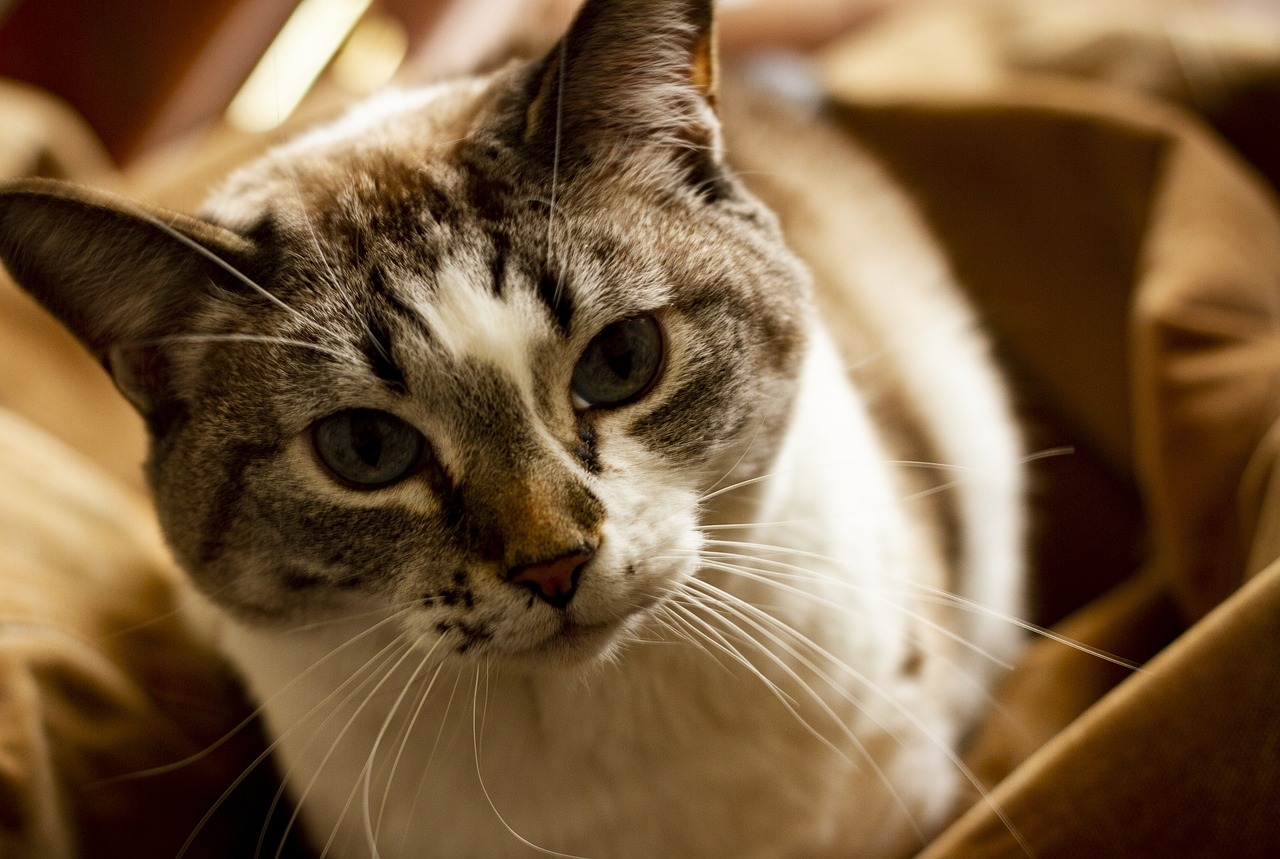

From Neglect to Nurture: Cats Rescued from Hoarding Situations
Hoarding situations present some of the most heartbreaking challenges for cat rescue organizations. In these instances, the conditions often become life-threatening for numerous felines. Cats are typically found living in cramped, unsanitary spaces filled with filth, lack of food, and inadequate medical care. Rescuers face both physical and emotional hurdles when dealing with these cases. Many cats suffer from anxiety and sometimes exhibit aggressive behaviors due to their past experiences. Professional organizations like the ASPCA and local shelters work tirelessly to confront these situations, serving as the last hope for countless abandoned cats. The survivors often require not just physical rehabilitation but also a patient and trained approach to help them regain trust in humans. Volunteers and staff members dedicate their time and energy to provide a calmer environment and the proper care these animals need. Each cat is treated as an individual case, and the primary goal becomes transitioning them from a life of neglect to one filled with nurture. Success stories abound, providing hope for future rescues, helping shine a light on the importance of animal welfare advocacy.
Many cats rescued from hoarding situations exhibit physical ailments and behavioral issues. The environment they once lived in was often dangerous and unhealthy, leading to medical emergencies ranging from malnutrition to infections. Immediate veterinary attention is necessary to assess each cat’s health condition thoroughly. Some may require intensive treatments, while others may simply need a stable environment to heal. The emotional scars, however, often take longer to mend. Human interaction challenges these cats significantly; they do not trust easily. Rescuers employ various techniques to help cats acclimate to their new homes. Gentle handling, providing hiding spots, and routine aftercare become crucial. Patience is a key ingredient in every rescued cat’s recovery process. When a cat finally displays trust towards its caretaker, it becomes a testament to the resilience of these animals. It’s heartwarming to witness their transformations as they become comfortable and confident. This journey not only helps the cats regain their health but also highlights the critical nature of fostering empathy and compassion in the community. Through awareness and education, people can curb hoarding behaviors and promote responsible pet ownership.
The Aftermath of Rescue: Rehabilitation and Rehoming
Following the rescue process, rehabilitation becomes the next critical step. Although physical ailments may be addressed immediately, the emotional healing is nuanced and takes time. Each rescued cat requires a personalized rehabilitation plan tailored to their specific needs, which might include behavioral therapy, socialization, and gradual introductions to household scenarios. Shelters often organize foster programs where cats can heal in a home setting. This helps them transition from a chaotic environment to potentially being placed in adoptive homes. Volunteers who foster these cats are invaluable, providing stability and care while also gaining firsthand experience in fostering behaviors. Adoption fairs become integral to this process, bringing awareness to the plight of rescued cats. Many rescues engage in extensive outreach programs to educate the public about cat hoarding and its effects. The ultimate goal is finding a loving, permanent home for each cat completely transformed by care and compassion. Through successful rehabilitation stories, communities are encouraged to see the potential in every rescued cat and be part of changing lives for the better. Every adoption represents a victory against neglect and an important story of redemption.
The importance of community involvement in cat rescues cannot be understated, especially concerning hoarding situations. Grassroots efforts fuel many rescue organizations, often relying on volunteers to provide necessary resources. Fundraising campaigns become essential for procurement of supplies ranging from food and litter to veterinary care funding. Individuals or local businesses often step in to provide the needed support. Those who participate in these initiatives not only contribute financially but also help spread awareness about the issues faced by these cats. Social media platforms offer powerful tools for promoting these causes and even attracting potential adopters. Furthermore, educational workshops aimed at teaching responsible pet ownership can help prevent future incidents of hoarding. Understanding the signs of animal distress alerts communities to reach out proactively. When neighbors recognize potential hoarding situations early, it allows authorities or rescue organizations to intervene before animals end up in dire circumstances. A concerted community effort ensures a culture of empathy towards animals, ultimately protecting and advocating for their rights. Together, individuals can amplify their voices and create lasting change.
Education and Prevention: The Key to Ending Hoarding
Education plays a pivotal role in curbing the occurrence of cat hoarding situations. Many people do not recognize the complexities associated with hoarding, believing it to be a mere collection of pets. Educating the public about the underlying psychological aspects can foster understanding and compassion for both cats and their human caretakers. By providing resources on responsible pet ownership, communities can address potential problems before they escalate. Workshops, public talks, and community outreach programs can help emphasize the importance of proper care, regular veterinary visits, and spaying or neutering. In essence, knowledge is power, equipping individuals with the tools to recognize signs of distress in both animals and humans. Encouraging open conversations about animal welfare, mental health, and community support networks can break the stigma that often surrounds hoarding situations. This creates a more involved community, eager to look out for one another and for vulnerable animals. The more individuals know about these factors, the less likely they are to ignore warning signs. Education can breed compassion, leading to a future where rescues are less necessary and where animals and humans coexist harmoniously.
The stories behind every rescued cat from hoarding situations are filled with both sorrow and hope, emphasizing the resilience of life. Each cat has a unique narrative that often conveys the struggle faced, yet culminates in triumph through perseverance and love. Media covered stories of such rescues have sparked widespread fascination, urging people to empathize with the plight of these cats. Websites and social media platforms often host posts featuring transformations of rescued cats, showcasing the drastic change of lifestyle these animals experience post-rescue. These narratives play an important role in inspiring other human beings to engage in animal welfare activism. People often report feelings of motivation upon viewing these before-and-after stories. Furthermore, they encourage individuals to volunteer or adopt rather than shop. Awareness sparked from these stories can assist in fundraising efforts, leading to greater chances of providing necessary resources for future rescues. By sharing experiences and educating others, volunteers hope to ignite a flame of compassion across society, turning curiosity into action. As more individuals become aware, the movement for cat welfare grows stronger, one heartwarming story at a time.
Success Stories: Cats Who Found Their Forever Homes
Success stories of cats rescued from hoarding situations serve as beacons of hope and inspiration. Each story showcases the extreme turnaround in each cat’s life, emphasizing their innate resilience and ability to adapt to a loving environment. From once being fearful and withdrawn, they blossom into affectionate members of families. Documenting these journeys can be incredibly powerful; rescues often post videos and testimonials that highlight the transition. People enjoy witnessing the joy and personalities of formerly neglected cats as they begin to thrive in a nurturing environment. Volunteers frequently share updates on social media, which not only raises awareness but also motivates others to join the cause. The fulfillment of adopting a rescued cat brings immense joy to the families involved, turning love and care into an integral part of both their and the cat’s life. It becomes a mutual journey of growth and healing where trust is earned gradually. These success stories become vivid reminders of how compassion can transform lives, and they encourage ongoing efforts to rescue, rehabilitate, and give a second chance to cats yearning for love and companionship. Through every adoption, a cycle of hope is created.
Such success stories reaffirm the critical work done by rescues that dedicate their time to helping animals in crisis. The network established between volunteers and supporters fosters a sense of community focused on the common goal of animal welfare. Together, through initiative and determination, more cats can be pulled from adverse situations and given a chance at a brighter life. The impact of these stories extends beyond the confines of rescue organizations; they resonate within society, encouraging greater empathy and understanding toward all animals. They reveal the urgent need for continued support, whether financially through donations or through volunteering time to help in shelters. Every action taken, no matter how small, contributes to a larger movement committed to preventing animal suffering. Each story emerges as a source of motivation, proving that change is possible. Cumulatively, these efforts weave a fabric of compassion and responsibility that binds communities together. And, as more people become involved, hope in the face of adversity flourishes. Together, we can make a difference by choosing to advocate for those who cannot speak for themselves, thus improving countless lives and truly embodying the spirit of love.