
How to Create Black and White Dog Photographs That Speak Volumes
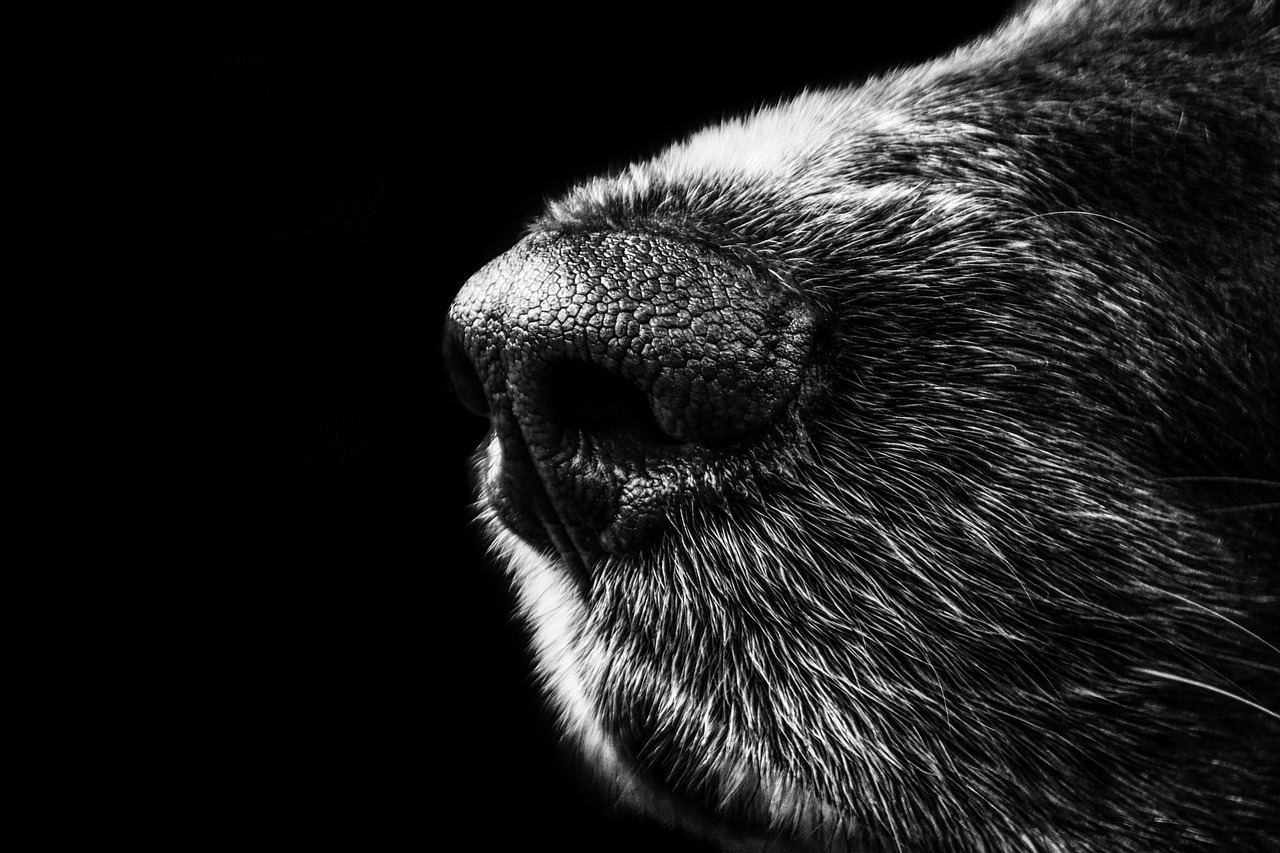
Creating stunning black and white dog photographs can be a transformative way to showcase your canine’s personality and essence. To achieve impactful results, start by understanding the fundamentals of composition and lighting. Exposure settings are crucial; opt for higher contrast to enhance the shadows and highlights within your images. Experiment with angles to find the most flattering perspective of your dog. Additionally, consider using natural light during early morning or late afternoon for an ethereal quality. Soft, diffused light helps soften harsh shadows while emphasizing the dog’s features effectively. Pay attention to the background; a simple, unobtrusive backdrop can accentuate your subject. Make sure that distractions are minimized, allowing your dog to stand out. Adopting a minimalist approach can focus viewers’ attention on the dog’s expressions and movements. Furthermore, engage with your dog during the shoot to capture authentic moments that convey emotion. Your goal should be illustrating the character of your dog through the lens. With patience and practice, you’ll learn to create captivating images that leave a lasting impression.
Once you have some captivating images, the next step is to dive into the editing process. Using software like Adobe Lightroom or Photoshop, you can manipulate the tonal range to add depth. Begin with adjusting the black and white conversion settings to highlight the contrast between light and dark areas. Experiment with sliders such as brightness, contrast, and shadows to find the perfect balance. If needed, apply some local adjustments to refine specific sections of your image. This may include brightening the dog’s eyes or deepening the shadows in the background. A well-processed photograph can significantly enhance its emotional appeal. Filters can also add a unique aesthetic; however, use them sparingly to maintain authenticity. When converting to black and white, consider using the HSL (Hue, Saturation, Luminance) panel to selectively modify certain colors before conversion. This allows you to control how certain tones translate to grayscale. Keeping an eye on the histogram can ensure you’re not losing important details in highlights or shadows during your adjustments. Finally, don’t forget to save your edited files in a format that retains quality.
Choosing the Right Editing Tools
Finding the right editing tools for dog photography is essential to enhance your artistic vision. Software tools should offer various features that make editing seamless. Adobe Photoshop and Lightroom are industry leaders, but alternatives like GIMP or Capture One can also produce fantastic results. Look for programs that allow non-destructive editing, meaning you can make adjustments without permanently altering the original image. This feature is especially useful when you want to revisit your edits. Simplicity and user-friendliness are also critical; as a photographer focused on dog portraits, you want to spend more time creating than navigating complex menus. Another option is mobile editing apps like Snapseed or VSCO. They offer robust editing features in a user-friendly format, enabling quick edits on the go. The community surrounding these tools also often shares helpful tutorials and resources. This can help you become adept at transforming your photos quickly. Your choice of tools can greatly influence the final appearance and impact of your black and white dog images, so choose wisely.
In addition to traditional photo editing software, consider integrating mobile applications for on-the-spot edits. Many photographers today find mobile applications appealing for their convenience and ease. Apps like Snapseed or Darkroom allow you to perform a wide array of edits right from your smartphone. Whether you’re adjusting exposure, cropping, or fine-tuning contrast, these applications offer a surprising amount of flexibility. Another innovative option is using online platforms like Canva for creating graphics or adding text overlays to your photographs. This way, you can create compelling social media posts that highlight your dog photography effectively. Streaming platforms for images also benefit greatly from well-edited photos; enhancing your shots can draw more attention and garner more likes. Always remember to maintain the original character of the photograph when applying edits or filters. The goal is to complement the dog’s natural essence rather than overshadow it. Fine-tuning your image’s tonality and maintaining sharp details will create a more powerful visual experience for your audience.
Showcasing Your Work
Once you have edited your stunning black and white dog photographs, it’s time to share your work! Consider establishing a strong online presence through social media platforms such as Instagram, where visual content thrives. Create a dedicated profile for your dog photography, and fill it with a curated selection of images. Start building a cohesive aesthetic that reflects your unique style. Choose a consistent filter or editing palette that enhances your black and white images, providing cohesiveness across your feed. Engage with fellow photographers, dog lovers, and potential clients by using popular hashtags related to dog photography. You might also join dedicated communities on Facebook or photography forums to expand your audience. Another powerful option is to create a personal website to showcase your portfolio, further allowing people to explore your work in depth. This platform can host not only your images but also a blog where you share tips, behind-the-scenes stories, and upcoming projects. Showcasing your work can provide opportunities for collaborations, commissions, and even higher visibility as a dog photographer in your community.
Don’t underestimate the power of networking in the dog photography realm. Connecting with other photographers and dog owners can propel your career forward. Attend pet expos, photography workshops, and local dog shows to share ideas and learn from seasoned professionals. Creating relationships in this niche can lead to various opportunities, including joint projects or contests. Consider collaborating with local animal shelters or dog trainers to capture compelling portraits of adoptable pets. This not only helps the shelters but can also expand your portfolio significantly. Having engaging stories behind your photos can enhance their emotional depth. This approach fosters a sense of community while contributing positively to the welfare of animals. Additionally, feature your work in local galleries or cafés that support local artists. Your black and white dog photographs could enhance the atmosphere of any pet-friendly venue. Collaborating with businesses can provide visibility for your photography while offering visual content for marketing campaigns, generating mutual benefits. Establishing connections can also provide motivational support in your artistic journey.
Conclusion and Next Steps
In summary, mastering black and white dog photography is a blend of technical skills and personal expression. By focusing on composition, lighting, and editing techniques, you can create pictures that resonate emotionally with viewers. Your dog portraits can tell stories that reflect the bond you share with your furry friends. Remember to experiment with various tools and approaches to find what works best for you. The editing process is where the real magic happens, allowing you to polish your images until they shine. Take time to learn about the available editing software and choose one that matches your style and needs. Afterward, share your work with a wider audience, connecting with fellow dog enthusiasts in your local community and online. Engagement and networking are integral to your growth as a photographer. As you continue to grow and adapt, keep honing your skills and pushing your creative boundaries. There’s always more to explore in dog photography, so embrace new challenges with enthusiasm and an open heart, knowing you’ll capture beautiful moments along the way.
By implementing these steps, you’ll be well on your way to creating breathtaking black and white dog photographs that truly speak volumes. Make sure to constantly review your progress and refine your approach based on experiences. The world of dog photography is not only about capturing beautiful images; it’s about fostering connections and highlighting the joy that dogs bring into our lives. Stay inspired and never shy away from expressing your creativity through your lens, for every click tells a unique story waiting to be unveiled.