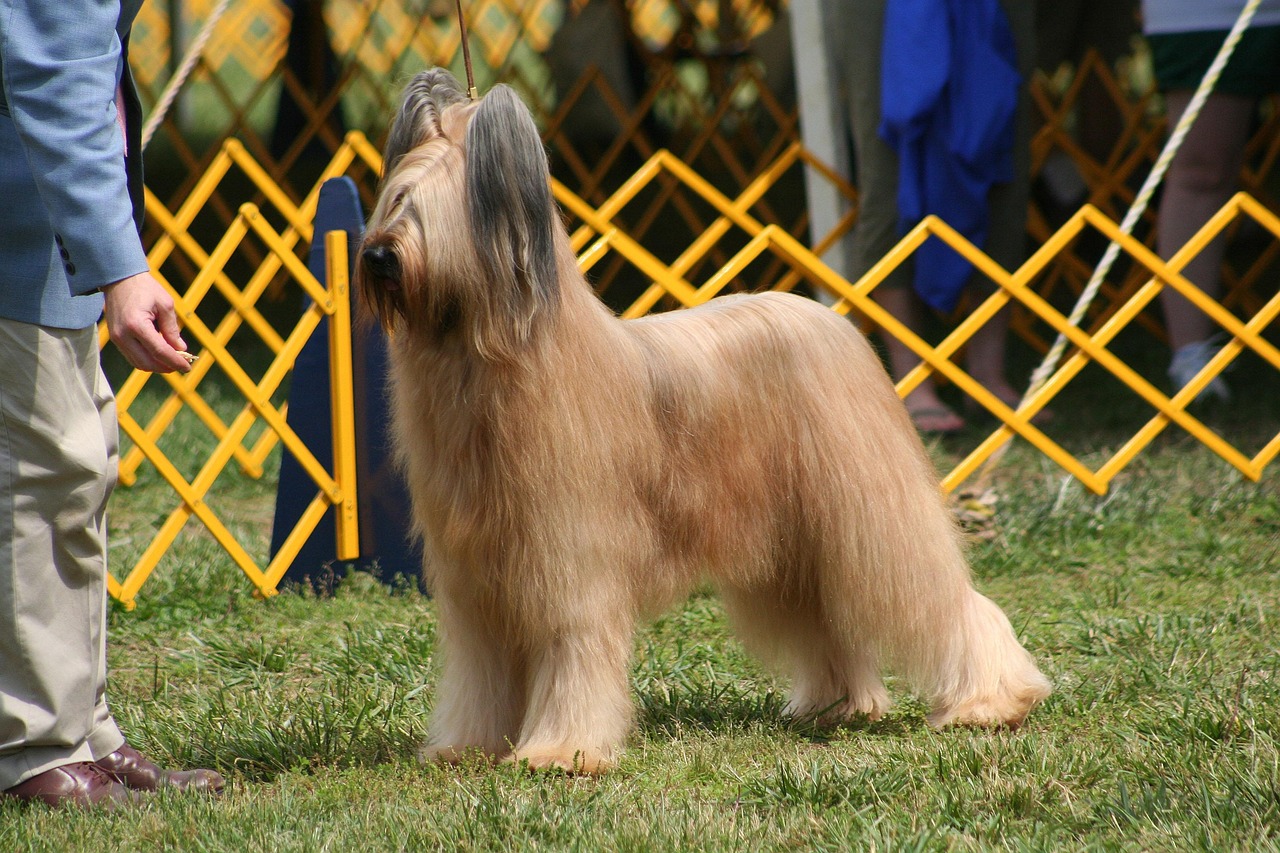

Networking Opportunities in Dog Show Associations
Joining dog show associations can open up numerous opportunities for networking and building connections within the canine community. These organizations often host events that bring together dog lovers, breeders, trainers, and enthusiasts. Engaging with others at these gatherings can foster friendships and collaborations that extend beyond the show ring. Events such as training seminars, grooming workshops, and social gatherings allow members to connect with one another, sharing valuable experiences and tips. Furthermore, partnerships with other members can lead to collaborative efforts, resulting in enhanced skills and deeper knowledge in various aspects of dog care and show preparation. Social media platforms have made it even easier to maintain these connections. Many clubs have active online groups where members can exchange ideas, ask questions, and offer support. Additionally, these online spaces can serve as platforms for organizing local meetups. The friendships and alliances formed within these communities can prove invaluable, providing emotional support and encouragement throughout the competitive journey. In conclusion, dog show associations offer critical networking avenues advantageous for both personal and professional development within the realm of dog showing.
Networking within dog show associations extends beyond simple introductions; it involves creating lasting professional relationships. These relationships can lead to referrals for breeding, training, and handling services that may not have been accessible otherwise. Often, seasoned participants in dog shows are more than willing to share insights and firsthand experiences, paving the way for newcomers and less experienced dog owners. Participation in committees or volunteering for events allows individuals to showcase their skills while building rapport with others in the field. Furthermore, attending annual meetings can strengthen bonds among members who share similar interests in breeds and training methods. Additional networking opportunities arise through regional and national shows, where you can meet influential figures in the dog show community. Learning from successful exhibitors can inspire enthusiasm and motivate participants to expand their knowledge base. Associations often provide fantastic resources, including newsletters, workshops, and conferences, where members can learn about the latest trends and best practices in dog breeding and training. Ultimately, networking provides an essential platform that supports both personal growth and the advancement of skills in dog showing.
Moreover, fostering a robust network can lead to unexpected sponsorship opportunities for breeders and exhibitors. Sponsors often look for partnerships with reputable individuals or organizations within the dog show realm, enhancing their products and services. These networks can also facilitate joint ventures where members can collaborate in breeding programs, sharing the costs and expertise that lead to superior canine specimens. As individuals build trust and credibility, they may find themselves becominggo-to resources for advice and support. Furthermore, these professional relationships often become friendships that turn into a strong support system during shows and competitions. In addition, regular interactions through dog show clubs can spark creativity and innovation in training methods and breed techniques. Engaging with a diverse group ensures exposure to various perspectives and approaches for better preparing dogs for performance in shows. Additionally, participating in local breed clubs provides opportunities for hosting specialized events focusing on specific dog breeds, showcasing their unique traits and fostering a deeper appreciation for these animals. In the long run, effective networking is central to achieving success in dog shows because it builds a community based on shared passion and mutual goals.
Leveraging Online Communities
Online platforms dedicated to dog show enthusiasts further enhance the networking experience. These platforms allow dog owners to connect with fellow breed enthusiasts, trainers, and competitors worldwide. Through social media channels, blogs, and forums, participants can share insights, learn about upcoming events, and even find potential partners for collaboration. By being active in online communities, members can showcase their knowledge and experiences while connecting with others who share similar interests and passions. This virtual networking can lead to meeting real-life acquaintances when attending events together. Additionally, these online spaces provide a platform for promoting individual dogs or litters, and thereby extending marketing outreach. Active participants can also join webinars and online workshops hosted by reputable trainers or experts with valuable insights to share. This easily accessible knowledge can benefit newcomers eager to advance their skills and understanding of dog showing. Ultimately, online networks serve as critical resources for sharing information and encouraging growth, enriching everyone in the dog show community and facilitating enhanced collaboration and creativity among members.
Participation in informational sessions, both online and in-person, is crucial for thriving within dog show associations. Most associations organize educational seminars, which can provide members with vital information about upcoming events, regulations, and best practices. These sessions also offer opportunities to ask questions and gain insights from experienced professionals. Such exposure not only informs members but also encourages proactive participation in the community. Furthermore, club newsletters often include informative articles, showcasing featured members and highlighting events, thus keeping everyone informed and engaged. In addition, attending dog shows can act as a practical learning experience, where attendees can observe experienced handlers and learn the nuances of presenting dogs effectively. Observing and interacting with veterans in the dog show industry can serve as motivation for personal growth. Many associations also partner with veterinary professionals to provide health-related workshops and seminars, ensuring the well-being of participating dogs. Knowledge from these sessions can help prepare competitors for successful show careers with happy, healthy canines. Overall, educational opportunities contribute significantly to developing a knowledgeable dog owning community dedicated to supporting one another.
Social gatherings and networking nights organized by dog show associations provide informal environments conducive to relationship-building. These arranged events often allow members to mingle, share stories, and discuss common interests without the pressure of competition. Attending casual social events can ease anxieties, particularly for newcomers navigating the dog show world for the first time. Additionally, attending mixers can help form connections with potential mentors or collaborators who can provide assistance and inspiration for enhancing skills and talent. Often, attendees meet industry professionals working as judges, experts, or breeders who can offer advice or insight regarding event participation or training. Furthermore, dog show association members benefit from networking dinners or brunches that encourage informal discussions about dog-related topics while enjoying good food and company. Participating in these engagements can lead to unexpected friendships, expanding personal networks and fostering a sense of community. Also, family-friendly events can cultivate support among members while including families, enriching relationships beyond the competitive atmosphere. These social engagements help create memorable experiences that unify dog show enthusiasts and encourage continued participation in the community.
Embracing the Journey Together
Ultimately, the journey within dog show associations is as important as the outcomes achieved in the ring. Participating in activities together can cultivate friendships and deepen connections that strengthen the community. As members support one another during training and competition, a sense of belonging and camaraderie develops. Success in dog showing often feels more rewarding when celebrated collectively, making the bond among members even more meaningful. The dog show circuit can be challenging, but having a network of supportive individuals can uplift and motivate participants to persevere. Additionally, shared experiences in the ring can lead to greater enjoyment of dog shows and competitions. Engaging in collaborative efforts can foster a sense of pride among members, showcasing individual strengths while also highlighting the power of community. As people share their successes and setbacks, they realize they are not alone in their journey, ultimately contributing to their growth as dog owners and handlers. In conclusion, dog show associations create a tremendous landscape of networking opportunities that promote not only personal growth but also the overall success of participants in the competitive dog show world.
Mentorship culture in dog show associations also fosters valuable relationships that enhance the community as a whole. By connecting seasoned competitors with newcomers, the less experienced gain invaluable insights through guidance and learning experiences. Currently, most associations actively encourage mentorship by hosting programs that facilitate these connections, emphasizing the importance of knowledge transfer. Those seeking guidance may find themselves paired with a mentor who matches their aspirations and goals within the dog show circuit. Additionally, this practice can lead to long-term friendships as both parties support one another in shared endeavors. Furthermore, mentors can share tried-and-true techniques for training, grooming, and presentation skills, significantly shortening the learning curve for newcomers. This dynamic encourages collaboration and growth within club membership while fostering a broader atmosphere of teamwork. As new members grow in confidence, they often take on leadership roles within the club, further enriching the overall environment. Additionally, mentors also often find their understanding and passion for dog shows reignited by teaching others. In summary, mentorship is a fundamental aspect of dog show associations that fuels progress and encourages the cultivation of meaningful relationships.