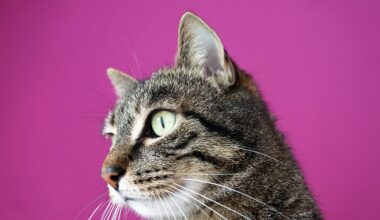

Preventing Electrolyte Imbalances in Cats: Tips for Owners
Feline hypercalcemia can be a serious condition that often leads to electrolyte imbalances in our furry friends. Understanding its causes, symptoms, and prevention strategies is essential for any cat owner. Hypercalcemia refers to elevated calcium levels in the blood, which can occur due to various health issues, including kidney disease and certain cancers. Cats with hypercalcemia may exhibit signs such as increased thirst, frequent urination, or lethargy. If you notice these symptoms, it’s crucial to consult your veterinarian promptly. Monitoring electrolyte levels, particularly calcium and phosphorus, will help in maintaining your cat’s overall health. Regular veterinary check-ups can help catch any potential issues early before they become more complicated. Nutrition plays a vital role in managing these conditions. Choosing a balanced diet formulated for cats with specific health considerations can contribute significantly. Ensuring access to fresh water at all times will help keep their hydration levels optimized and assist in normal kidney function. Stay informed and involved in your cat’s dietary choices to help prevent problematic electrolyte imbalances.
To effectively manage your cat’s risk of electrolyte imbalances, understanding the signs and symptoms is key. Some common symptoms of imbalance include vomiting, diarrhea, and muscle twitching. These symptoms can vary individually among cats but should never be dismissed. Another crucial aspect is the importance of hydration. Cats often can be prone to dehydration, particularly if they eat primarily dry food or do not drink enough water. Consider providing wet food options, which can boost their intake of fluids significantly. In addition, placing multiple water bowls around the house can encourage them to drink more often. If your cat is resistant to drinking, consider using pet fountains, which tend to attract cats due to the flowing water. Additionally, ensure that you are familiar with your cat’s normal behavior and habits; any sudden changes may indicate an issue developing. Building a strong relationship with your veterinarian can facilitate the management of any conditions your cat may have, helping you tailor care effectively and responsibly. Keeping a close eye on both diet and hydration will effectively help in minimizing the risk of significant health concerns.
Importance of Nutrition in Prevention
Your cat’s diet is vital in preventing electrolyte imbalances and associated conditions like hypercalcemia. Providing a balanced diet appropriate for your cat’s age and health status can significantly impact their well-being. High-quality protein sources should be prioritized, and it is critical to ensure that their food has adequate levels of calcium and phosphorus, as both minerals play essential roles in metabolic functions. Avoiding human foods that may be toxic to cats is crucial as some can revolve around improper balance and lead to detrimental health effects. It’s also important to be cautious when introducing new diets or supplements. For special dietary needs or concerns, consult with your veterinarian. Specially formulated cat foods can sometimes help manage health conditions effectively. Whenever you notice an increase in weight or lethargy in your cat, review their dietary intake. Weight management is often tied closely with electrolyte balance—overweight cats may be more susceptible to hypercalcemia and other related health issues. Keeping an open line of communication with your vet about diet and nutrition will foster a better living environment for your kitty.
Regular veterinary check-ups from a young age can play a crucial role in both the detection and prevention of electrolyte imbalances in cats. Be proactive in scheduling these visits, as they allow for routine blood tests to monitor electrolyte levels and general health status regularly. Early detection of any potential issues can make it easier to manage. It also provides an opportunity for vaccinations, dental checks, and overall health evaluations. Notably, observing your cat’s behavior helps foster better communication with your vet. Providing a detailed account of any changes can assist them in providing effective care. It’s crucial to take action if your cat avoids food or exhibits uncharacteristic behavior. Maintaining an optimal weight is also another factor to consider; overweight cats have a higher risk of developing various health issues, including those leading to electrolyte imbalances. Working on weight management strategies can lead to better outcomes long-term. Once the basic framework for regular visits is established, you can adjust based on your cat’s health status. Regular veterinary attendance ultimately protects against surprise emergencies, leading to a more stable and healthier life for your pet.
Hydration Strategies for Cats
Hydration is fundamental when it comes to preventing electrolyte imbalances. Cats often do not drink water as efficiently as dogs; thus, it’s vital to promote proper hydration in creative ways. Providing fresh, clean water daily encourages your cat to drink more. If your cat tends to ignore water bowls, consider using a pet fountain that continuously circulates water. Cats are often attracted to moving water, making these fountains enticing and encouraging them to hydrate more effectively. Additionally, integrating wet food into their diet can significantly boost their fluid intake, helping maintain optimal hydration levels. Always supervise your cat’s health, particularly during hot weather, as dehydration can occur quickly. Monitoring changes in drinking habits and bathroom patterns can indicate changes in health. If you observe a sudden increase in thirst or urination, consult your veterinarian immediately. Creating an appealing environment will motivate your cat to drink more water. By utilizing both wet food and a water fountain, you’ll not only assist in keeping your cat hydrated but also decrease the chances of creating electrolyte imbalance-related health issues.
Understanding the relationship between stress and health is critical for preventing electrolyte imbalances in your cat. Stress can trigger various issues, including changes in appetite and overall behavior, which can, in turn, significantly impact hydration levels. Keeping your cat’s environment calm and stable will help them feel secure and relaxed. Providing adequate hideaways, climbing spaces, and enriching toys can help reduce stress. Additionally, if you have multiple cats, monitoring interactions closely ensures that all pets feel comfortable and secure in their home. Cats thrive in structured environments where they can predict their activities and interactions. Make sure to provide daily routines like grooming or playtime, which can offer emotional stability. If you suspect that your cat is experiencing chronic stress or anxiety, consult your veterinary professionals about strategies to manage these feelings effectively. There are cat-specific herbal supplements and medications available that may alleviate stress-related issues. By prioritizing your cat’s emotional well-being, you can directly influence their physical health, enabling a more positive outcome regarding their overall electrolyte balance.
Conclusion and Takeaways
In conclusion, preventing electrolyte imbalances in cats involves a comprehensive understanding of hydration, nutrition, stress management, and regular veterinary care. By being proactive in these areas, cat owners can significantly enhance their pet’s quality of life. Prioritize hydration through the use of wet food and water fountains, encouraging your cat to drink more fluids. A balanced diet rich in protein and appropriate mineral levels is essential. Regular check-ups and blood tests assist in early detection of any imbalance, allowing for effective management of their health. Monitor your cat’s behavior, weight, and dietary consumption closely for any signs of potential issues. Create a stress-free environment to promote overall well-being. Your involvement and awareness are key elements in safeguarding your feline companion against hypercalcemia and related illnesses. Actively discussing any concerns with your veterinarian tailors a customized care plan. Ultimately, understanding the importance of proper management and recognizing symptoms early leads to better outcomes in feline health. With dedication and preventive measures, you can ensure that your beloved cat enjoys a long, healthy, and happy life.
Consider joining online communities of fellow cat owners to share tips and experiences on keeping your pet healthy. Education can help owners recognize symptoms of electrolyte imbalances quickly, ensuring prompt care and attention. Utilize resources such as blogs, forums, and social media to stay updated on feline health issues. Incorporating learnings from seasoned cat owners offers insights that may not be discussed at the vet’s office. Investing time in understanding feline-specific dietary needs, hydration challenges, and behavioral habits can ultimately prevent many common health issues. As you become more informed, you’ll find options and resources to promote a healthier lifestyle for your pet. The bond between owner and cat deepens when proactive steps are taken to ensure their well-being. Following guidelines set by veterinarians and experienced owners, as well as committing to preventive health measures, can keep your feline companion in great shape. Empowering yourself with knowledge can effectively reduce anxiety regarding cat health issues. Seek collaboration with your veterinarian to ensure that both your cat’s emotional and physical health is supported, avoiding hypercalcemia and other related health issues. A little dedication goes a long way in ensuring feline happiness.