
Recognizing Stress in Cats Through Body Language
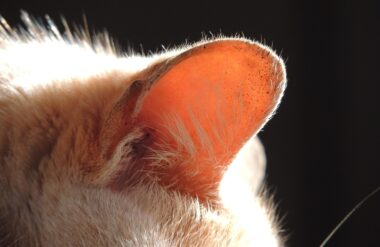
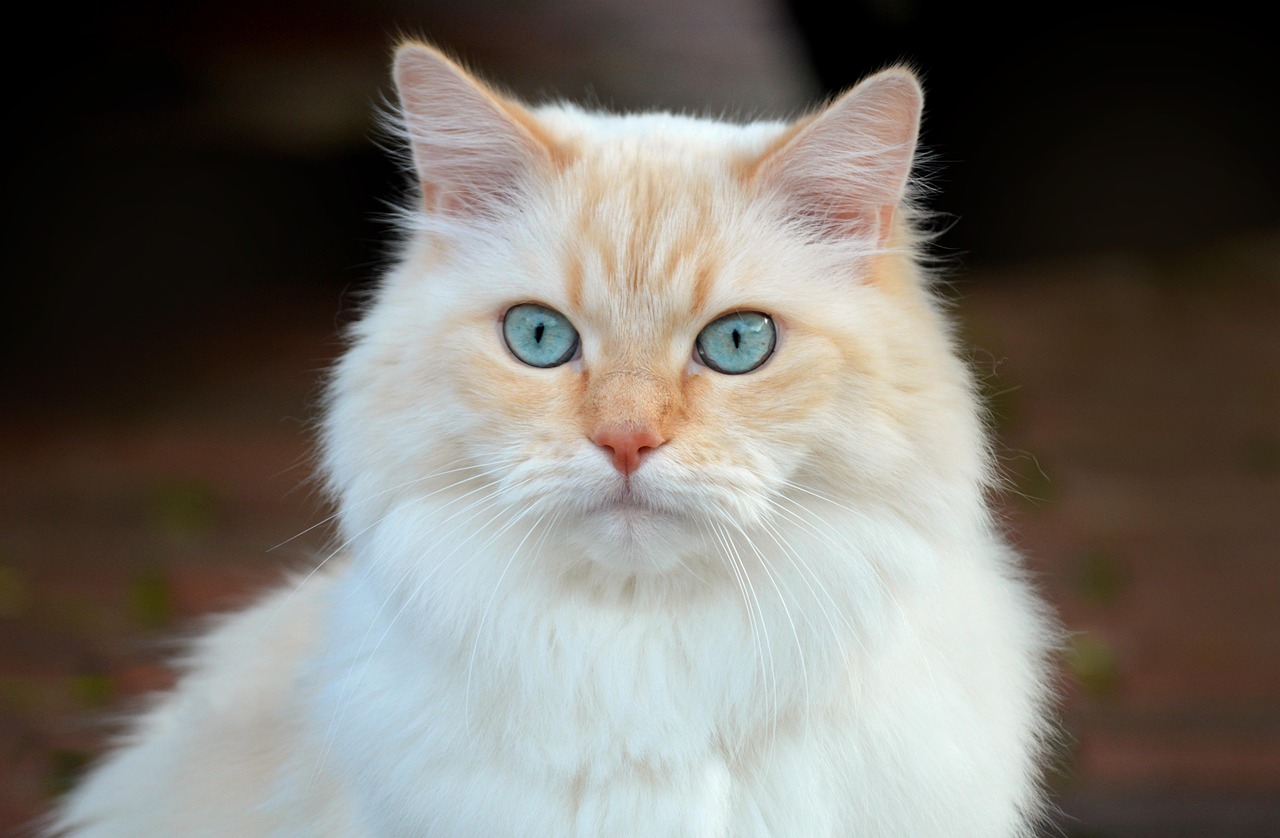
Understanding cat body language is essential for every cat owner. Cats communicate primarily through their body language and recognizing the signs of stress is crucial. A cat under stress may exhibit behaviors that are subtle yet informative. For instance, if a cat’s ears are pinned back or tucked alongside its head, this is a clear indicator of discomfort or anxiety. In contrast, when a cat’s ears are upright and rotated forward, it shows the cat is relaxed and engaged. Owners should also observe their cat’s tail. A puffed-up tail indicates fear, while a slow wave suggests curiosity. Furthermore, the eyes can reveal a lot about a cat’s emotional state; dilated pupils may mean the cat feels threatened. Owners must also be aware of more benign behaviors such as excessive grooming, which indicates stress. Create a calming environment for your cat to minimize anxiety levels. Providing safe spaces and engaging in gentle play can help your cat feel secure, lowering stress. Recognizing these signs of stress fortifies the bond between the owner and their feline friend, leading to a happier and healthier life for the cat.
Another important aspect of recognizing stress is understanding a cat’s vocalizations. If your cat suddenly starts meowing excessively or making unusual sounds, it may be an indication of distress. Observe your cat’s behavior closely as changes can point to underlying issues. Additionally, hiding is a common behavior exhibited by cats experiencing stress. If your typically outgoing cat starts seeking solitude, it may be time to examine their environment for stressors. Other signs may include changes in appetite; eating less or more than usual can signal an anxious cat. A quick visit to the veterinarian may be warranted if changes persist. Stress can be rooted in various issues, including changes in the home environment, the introduction of new pets, or even loud noises. Owners should aim to create a stable and comfortable space for their cats, free from negative stimuli. Providing vertical spaces like cat trees and secure hiding spots allows a cat to feel safe. Regular playtime is beneficial in helping your cat release pent-up energy. Through observations and adjustments, stress in cats can significantly decrease, leading to a more harmonious home life for everyone.
Body Language Signals to Observe
Cats express their feelings and states through a variety of body language signals that indicate stress levels. One key signal to watch for is the position of the ears; ears that flick back and forth can suggest agitation or concern while a relaxed posture indicates comfort. Additionally, keep an eye on tail movements; a flicking or twitching tail might indicate irritation or overstimulation. In contrast, a slow-moving tail suggests a more relaxed state. Another significant behavior to monitor is the cat’s whiskers; if they are pushed forward, it shows curiosity, but if they lay flat against the face, it is often a sign of fear. Offering a calm presence can help your cat relax during uncertain moments. Cats may also turn their bodies sideways, showing that they are feeling cornered or threatened. Moreover, frequent grooming or over-grooming can unveil underlying stress. Creating an anxiety-free environment by minimizing distractions, involving soothing scents, and providing safe outlets for play proves beneficial for alleviation. Understanding these signs fosters communication, enabling better management of a cat’s emotional well-being and enhancing the relationship with the pet.
There are several environmental adjustments that can contribute significantly to a cat’s well-being. Proper organization of the home helps to provide security for the feline. The first step involves ensuring the availability of comfortable resting spots. Cats desire locations where they feel safe and secure, and by providing those spots, you minimize potential stressors in your pet’s environment. Moreover, setting up a designated litter box area in a quiet location with minimal disturbance is essential. This gives your cat a peaceful space to conduct its business. Additionally, consider limiting exposure to big gatherings or loud noises. Regular exposure to such stressors can lead to heightened anxiety levels. Preventing stressful encounters with positive reinforcement during interactions is also vital. Offering treats and gentle encouragement when your cat exhibits relaxed behavior will condition them to associate positive feelings with various situations. Utilize engaging toys that challenge your cat mentally, allowing for healthy play and activity. By making thoughtful changes, you can significantly improve your cat’s stress management. Understanding and proactively addressing these concerns shows dedication to your pet’s emotional health.
The Importance of Consistency in Routine
Maintaining a consistent routine is crucial for reducing stress in cats. Cats thrive on predictability, which positively impacts their overall emotional well-being. Establishing reliable daily feeding, play, and grooming times helps your cat know what to expect, lessening anxiety. Introducing sudden changes, such as altering their feeding schedule, can cause undue stress. Therefore, gradual transitions are essential; for example, if introducing a new food, mix it slowly with the old food to allow proper acclimatization. Owners should also observe their cat’s temperament closely to gauge its adaptation to any routine changes. To improve comfort further, creating a safe zone where the cat can retreat during stressful times is necessary. This zone should be equipped with familiar items, such as toys, blankets, and scratching posts, making it their comfort space. Consistency also applies to interactions and environment setup; avoiding sudden movements or loud noises can build trust. Regular veterinary check-ups are also a component of stress management. Keeping your cat’s health in mind ensures no hidden health issues contribute to stress, allowing for a long-term approach to overall well-being.
Furthermore, socialization plays a critical role in recognizing and alleviating stress through body language. Gradual exposure to other people and animals can help your cat learn to navigate different situations. Always ensure that social interactions start slowly; forcing your cat into a social environment too quickly can lead to exacerbated stress levels. Pay attention to their responses; displaying signs of discomfort means it’s essential to reevaluate the situation. Rewarding your cat with treats and affection during positive interactions can reinforce good behavior. An integral part of this process includes monitoring how your cat reacts to your movements and proximity to them. A cat that becomes skittish or hides may need more time alone. It’s vital to remember that every cat is unique and may react differently to various stimuli. Tailoring your approach to suit their individual needs fosters a secure environment for them. Providing ongoing social opportunities builds confidence, making it easier for them to combat stress. Laying the groundwork for a well-adjusted cat involves ongoing patience and understanding, creating lasting bonds with your feline companion.
Conclusion: Ongoing Awareness and Observation
In conclusion, recognizing stress in cats through body language not only improves their quality of life but fosters deeper connections with pet owners. Cats communicate a wealth of information through their body language, and being attentive to these signals leads to timely interventions when stress arises. By consistently observing their behaviors, owners can adapt their environments and routines to support their cats. Stress management is a continuous journey that requires patience, ongoing education, and rewards. This ongoing awareness goes hand-in-hand with providing enriched environments that promote physical and emotional well-being. Curbing stress through understanding of body language signals ultimately enhances the pet-owner dynamic, allowing both parties to thrive harmoniously. Continuous education regarding feline behavior is critical; resources such as books and specialized websites offer insights for better comprehension. Establishing a stimulating atmosphere that invites exploration and play enhances emotional health. Ultimately, by refining our approaches to cat care, we ensure they lead healthier, happier lives. This proactive approach fosters resilience while allowing cats to express their emotions freely, creating a supportive and stress-free living relationship.