
The Impact of Shedding on Allergies and Grooming Management
Understanding the relationship between cat shedding, allergies, and grooming management is vital for any cat owner. Many individuals suffering from allergies often find that their symptoms worsen with the presence of pet fur. Cat fur can carry allergens, which may aggravate respiratory issues. Additionally, pet dander, a common allergen, gets mixed with the fur, making it even more problematic. To manage this effectively, it’s crucial to groom your cat regularly. Grooming reduces the amount of loose fur and dander that circulates in your home. It is advisable to utilize specialized grooming tools, such as deshedding brushes and combs, which are designed specifically to handle shedding cats. Regular grooming sessions not only help to minimize allergens but also promote a healthy coat, preventing skin irritations that might arise due to infrequent grooming. Dedicating time to this grooming ritual makes a significant difference in managing allergens and ensuring a safe environment for yourself and your cat. Home cleanliness can also play an important role in combating allergens, along with consistent grooming routines that help mitigate shedding effectively.
Allergies can severely impact the quality of life for many individuals, especially those living with cats. These allergies are often triggered by proteins found in cat saliva, skin, or urine, which can attach themselves to fur and dander. Regular grooming is key to minimizing the allergens present in your environment. By brushing your cat, you can significantly reduce the amount of loose hair and dander released into the air. It is beneficial to create a grooming schedule tailored to your cat’s breed and shedding patterns. For instance, long-haired breeds may require more frequent grooming to keep their coats in optimal condition and reduce allergens. It’s also useful to incorporate hypoallergenic grooming products designed to reduce allergens. Bathing your cat occasionally can help wash away these proteins, but it should be done with caution to avoid disrupting the cat’s natural oils. Please ensure that the bathing products are specifically formulated for cats. Alongside regular grooming, maintaining a clean home by vacuuming frequently and using air purifiers can further assist in keeping allergens at bay. Managing allergies in your household involves combining these grooming practices with effective cleaning strategies.
Proper Grooming Techniques
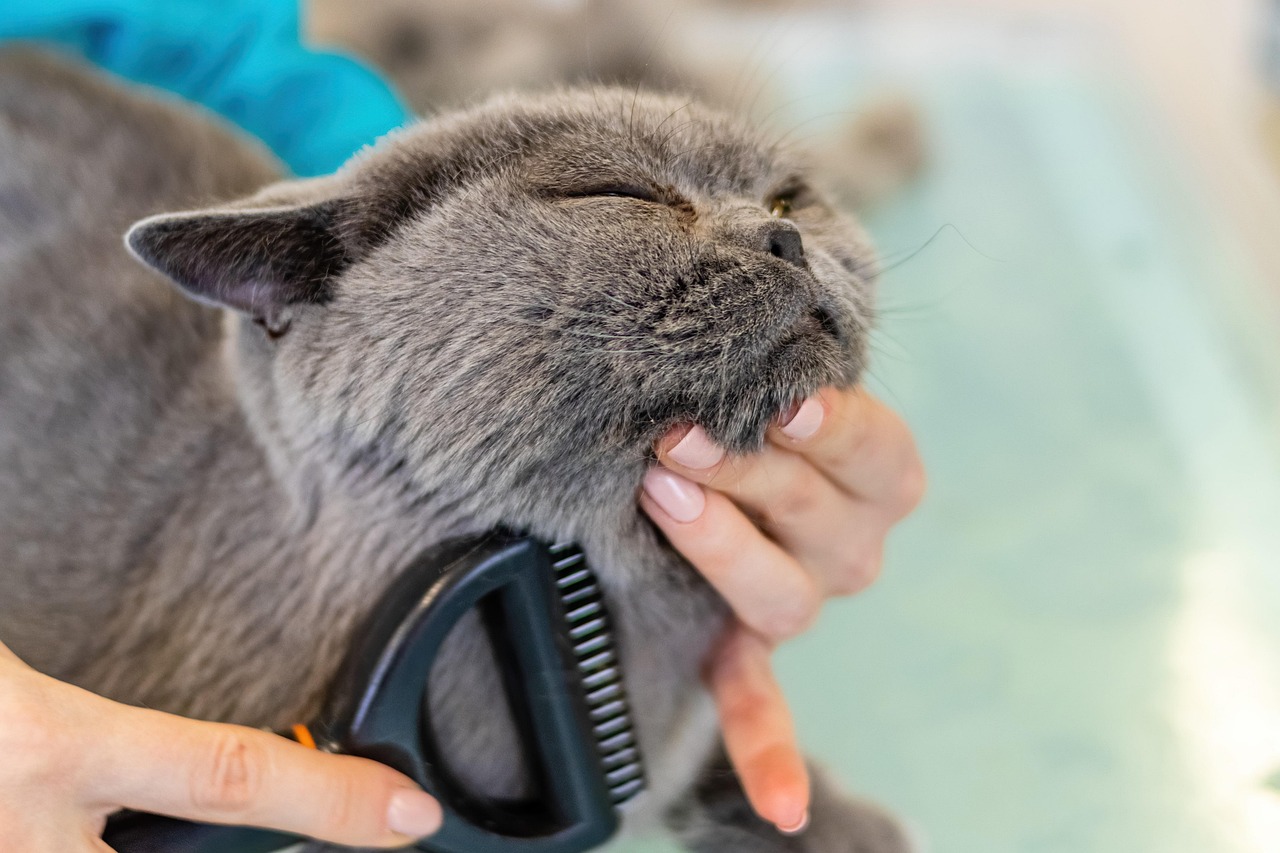
To ensure an effective grooming routine, understanding proper techniques is essential. Start by choosing the right tools suitable for your cat’s fur type; for instance, slicker brushes work well for long-haired cats, while bristle brushes may suffice for short-haired breeds. Always approach grooming with patience, allowing your cat to adjust to the process. Start slowly to avoid stress for both you and your feline companion. Regular brushing not only reduces shedding but also keeps your cat’s skin healthier. When grooming, pay special attention to areas where mats may form, such as behind the ears or under the legs. Additionally, consider using grooming wipes designed for removing dander and dirt efficiently. Establishing a positive association with grooming will also make your cat more cooperative. Use treats or gentle praises as encouragement during and after grooming. It’s essential that the experience remains positive so that your cat looks forward to the next session, reducing their shedding in the long run. Proper grooming techniques promote a healthier, cleaner environment and help control allergens that may compromise respiratory health.
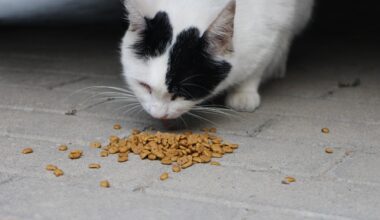
Another factor to consider regarding cat grooming and allergies is the significance of a well-balanced diet. A nutritious diet plays a crucial role in maintaining a cat’s overall skin and coat health. Foods rich in Omega fatty acids, for instance, can help reduce excessive shedding. Most importantly, consult your veterinarian about the best diet for your pet to promote healthier fur and minimize allergens. Regular hydration is also vital, as it directly influences the condition of your cat’s coat. Always ensure your cat has access to fresh and clean water. Additionally, while maintaining their coat’s health through diet, be mindful of any changes in your cat’s fur. Unusual shedding or skin issues could indicate potential allergies or health problems that require veterinary attention. Observing any changes in behavior or symptoms such as itchiness provides insights that may influence grooming strategies. Keep in mind that a proactive approach, addressing dietary needs along with grooming, can foster an overall healthier environment in your home. Improve your cat’s diet for better coat condition to effectively assist with managing allergens.
Environmental Control Measures
In addition to grooming and dietary practices, implementing environmental control measures is essential for allergy management. Begin by establishing designated areas in your home where the cat is allowed and where they are not. This can significantly reduce the spread of allergens. Utilizing washable throw blankets on furniture can help contain fur and dander, making cleaning easier. Regular washing of these materials will help keep allergens from accumulating in your living space. It is also beneficial to use HEPA filters in your vacuum and air purifiers throughout your home. These specialized filters trap pet hair, dander, and other allergens, improving air quality dramatically. Aim to vacuum at least twice a week for the most effective results. Establishing a consistent cleaning schedule can make a noticeable difference in allergy severity. Alongside these measures, consider limiting the areas in which your cat sleeps to help reduce allergen accumulation. Regular cleaning, along with the grooming strategies you’ve implemented, will work together to create a more comfortable living space for you and your pet. Addressing environmental control effectively reduces allergic reactions initiated by pet fur and dander.
Understanding the implications of shedding on allergies highlights the importance of cats’ grooming management and their owners’ health. Conditions such as asthma or rhinitis can be exacerbated by allergens caused by shedding cats. Suppressing these reactions starts with recognizing potential triggers and modifying your grooming techniques accordingly. Consider employing specific grooming strategies that lessen allergen exposure, like using damp cloths or sprays to collect fur before it spreads in the air. Engaging in such practices not only fosters a cleaner environment but also enhances the bond between you and your feline friend. During grooming sessions, focus on rewarding your cat’s cooperation with treats, establishing a mutual trust and understanding. Alongside the emotional benefits, the grooming process plays an essential role in maintaining your cat’s health and your quality of life. These approaches should be consistently reaffirmed to establish a routine that is both effective and enjoyable. The insights gained from understanding the impact of shedding on allergies guide owners towards fulfilling the grooming management requirements. Daily attention to grooming significantly contributes to effective allergic reactions management, ensuring a more comfortable living atmosphere in your home.
Conclusion: The Path Forward
The journey of managing cat allergies through effective grooming practices is ongoing. Pet owners are encouraged to explore various grooming options that cater specifically to their cat’s shedding patterns and individual needs. Be consistent with grooming schedules, proactively address any allergies, and maintain an environment that minimizes allergens. The combination of diet, regular grooming, and cleaning can collectively combat allergens. Bear in mind that fostering a clean atmosphere not only creates comfort for you but contributes positively to your cat’s wellbeing. Collaboration with professionals, such as veterinarians or pet groomers, can yield personalized advice tailored toward your unique situation. Creating a strategy will integrate these various aspects, leading to a remarkable improvement for both you and your beloved pet. As you embark on this journey, remember that patience and persistence are essential. The caring relationship you cultivate with your beloved cat will blossom into one marked by comfort and companionship, while minimizing the health risks associated with allergies. Reflect on your progress and adapt as necessary, striving for a harmonious living environment that benefits both you and your furry friend.
To sum up, comprehensive knowledge about the interplay between shedding, allergies, and grooming management is beneficial for all cat owners. This multi-faceted approach entails understanding grooming needs, addressing environmental control, and monitoring your cat’s health. By implementing these measures, you’ll reduce allergens effectively and ensure a happier, healthier living space. Conclusively, attention to cat grooming significantly influences allergic reactions positively. By maintaining rigorous grooming routines and incorporating changes in your home environment, you can limit allergens effectively. As you proceed on this path of knowledge and practice, know that a journey joined by care, understanding, and practical application leads ultimately to a satisfying experience with your feline companion. Keep exploring new techniques and remain adaptable, as this will further enhance your pet’s lifestyle and your well-being in tandem. Explore various grooming products and techniques to discover what works best for your situation. Remain committed to creating a clean, loving environment for your cat while managing allergies proactively. This journey will ultimately result in a successful and rewarding partnership with your feline friend.