
The Importance of Routine Vet Check-Ups for Lyme Disease Prevention
Lyme disease is a significant concern for pet owners, particularly dog owners, as this tick-borne illness can lead to severe health issues. Regular veterinary check-ups play a crucial role in preventing Lyme disease, allowing for early detection and treatment. Dogs that spend time outdoors are at increased risk of tick exposure, making routine vet visits important for ensuring their health. Vets can offer vital services such as vaccinations and tick prevention treatments, which are essential for dogs living in high-risk areas. Ensuring that your dog’s vaccinations are current can help protect them against Lyme disease, along with other diseases transmitted by ticks. Moreover, during these visits, vets can educate pet owners on signs of tick exposure and the proper way to check for ticks. This knowledge helps owners act quickly, reducing the risk of Lyme disease. Pet lovers should not underestimate the value of these visits. Routine check-ups foster a proactive approach to pet health, enabling timely interventions and treatments.
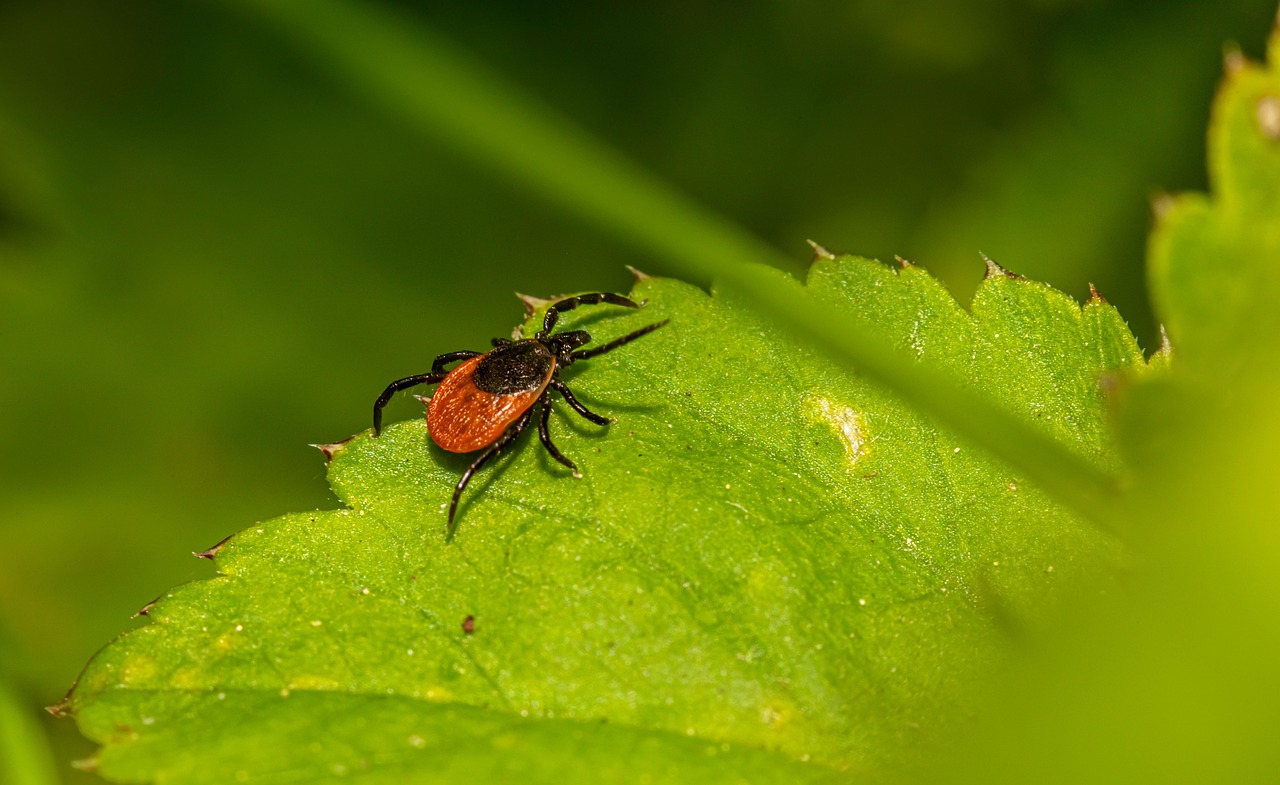
Understanding how Lyme disease is transmitted is vital for prevention. The primary vector of Lyme disease is the black-legged tick, also known as the deer tick. These ticks attach themselves to their hosts, often dogs, and can transmit the Borrelia burgdorferi bacteria. While your dog may show no immediate symptoms, they can develop complications over time. Regular vet check-ups can help identify any potential health issues that may arise from tick exposure and subsequent infection. Early diagnosis is essential for effective treatment, and vets can conduct necessary tests to determine if your dog has contracted Lyme disease. If caught early, most dogs recover completely; however, delayed treatment might result in ongoing health issues. Your veterinarian may recommend specific blood tests to check for the presence of Lyme disease antibodies. By addressing any tick bites or signs of exposure during check-ups, veterinary professionals can help mitigate the risk of the disease. It is imperative to take tick-borne diseases seriously, especially in endemic areas, making routine veterinary care indispensable.
Signs and Symptoms of Lyme Disease
Recognizing the signs and symptoms of Lyme disease in dogs can significantly aid in prevention and treatment. Initial symptoms may include fever, lethargy, and joint pain. As the disease progresses, dogs may exhibit swelling in their joints, leading to more severe discomfort. Affected dogs may experience a decreased appetite and display behavioral changes. In some cases, Lyme disease can lead to kidney complications, which can be life-threatening. This emphasizes the importance of keeping an eye on your dog’s health between vet visits. If you notice unusual behavior or symptoms consistent with Lyme disease, consulting your veterinarian promptly is crucial. They can perform diagnostics to confirm or rule out the disease. Your vet will share preventive measures to protect your dog from ticks. Implementing protective strategies can drastically reduce exposure to infected ticks. Routine tick checks after outdoor activities are a simple yet effective preventive measure. Maintaining a healthy and active lifestyle for your dog contributes to overall well-being, but caution must be taken to prevent exposure to ticks.
Another essential preventive measure involves the use of tick prevention products. These products range from topical treatments to oral medications and collars designed to repel ticks. Your veterinarian can recommend the most effective tick prevention strategy based on your dog’s lifestyle and the local tick population. This tailored approach ensures maximum effectiveness against tick-borne diseases, including Lyme disease. It is vital to follow the product’s instructions and apply or administer it as recommended to protect your pet properly. Additionally, understanding the life cycle of ticks can help in planning preventive measures. Ticks are most active in warmer months, so increasing vigilance during those times is crucial. Even during colder months, ticks can survive in some climates and may pose a risk. Regular grooming and bathing contribute to removing ticks from your dog’s fur and skin. Furthermore, maintaining a clean yard by mowing grass and removing leaf litter can help reduce the local tick population. For dogs frequently outdoors, regular vet check-ups become all the more essential, keeping health at the forefront of pet care.
Importance of Communicating with Veterinarians
Effective communication with your veterinarian enhances the quality of care and keeps you informed about your dog’s risk levels for Lyme disease. When visiting, it’s vital to discuss your pet’s daily activities, as lifestyles in outdoor environments increase exposure to ticks. Providing detailed information on your pet’s behavior, including potential contact with wildlife or other animals, can help your veterinarian assess risks. Clear communication allows for personalized recommendations on preventive care and timely vaccinations. Moreover, sharing any changes in your dog’s health or behavior can assist your vet in determining the necessity for additional laboratory tests. Partnership with your vet amplifies the protective measures taken for your dog. It also ensures that necessary preventative treatments align with your pet’s specific needs. Keeping an open line of communication helps ensure that you receive updates on new products or research findings that can further boost your dog’s health. This collaborative approach fosters a proactive attitude towards pet healthcare, significantly reducing the risk of contracting Lyme disease.
For proactive pet owners, understanding the financial aspects of veterinary care can guide decisions regarding Lyme disease prevention measures. Routine vet visits may seem like an added expense, but they are crucial investments in your dog’s long-term health. Costs associated with diagnosis and treatment of Lyme disease can far exceed the price of preventive care. Many pet insurance plans cover routine check-ups and vaccines, making preventive health care more accessible. With proper coverage, most pet owners can effectively keep their dogs protected without breaking the bank. Furthermore, being proactive can help avoid emergencies that lead to higher costs, both financially and emotionally. Investing in regular check-ups and preventive treatments remains one of the best strategies for keeping your dog’s health in check. Choosing to prioritize these appointments promotes a healthier lifestyle, allowing for longevity in life. Many pet owners report peace of mind from knowing they are taking proactive measures for their pets’ well-being. By taking advantage of veterinary services, owners can better protect their furry friends from Lyme disease.
Conclusion: A Commitment to Your Dog’s Health
Ultimately, the consistent commitment to routine veterinary check-ups is vital for effectively preventing Lyme disease in dogs. By actively participating in your dog’s healthcare, you contribute to their overall well-being. Routine vet visits act as foundational checkpoints that allow for early detection of any health issues. Pet owners gain critical insights and resources during these appointments that significantly aid in prevention. Taking necessary preventive measures and maintaining an open communication line with your veterinarian results in a comprehensive approach to dog health. As knowledge about Lyme disease continues to evolve, being informed encourages responsible pet ownership. This commitment ensures that your beloved pet enjoys a long and happy life. The insights gained from veterinary visits equip you to better protect your dog, fostering an environment of health and wellness. Remember, prevention is always more effective than treatment; regular check-ups safeguard against potential diseases and make all the difference. Together with your vet, you can work to protect your dog against Lyme disease, ensuring they remain a cherished part of your family for years to come.
In summary, dog owners must take proactive steps toward preventing Lyme disease through routine veterinary care. It’s advisable to take your dog to the vet for regular check-ups, logical discussions about risks, and appropriate preventive measures. Whether it’s through vaccinations, tick prevention products, or communication with canine health professionals, every effort counts. Lyme disease presents serious threats, emphasizing why consistent healthcare remains paramount for every dog owner. By investing in routine visits and preventive care, you are taking responsibility for your pet’s health and happiness.