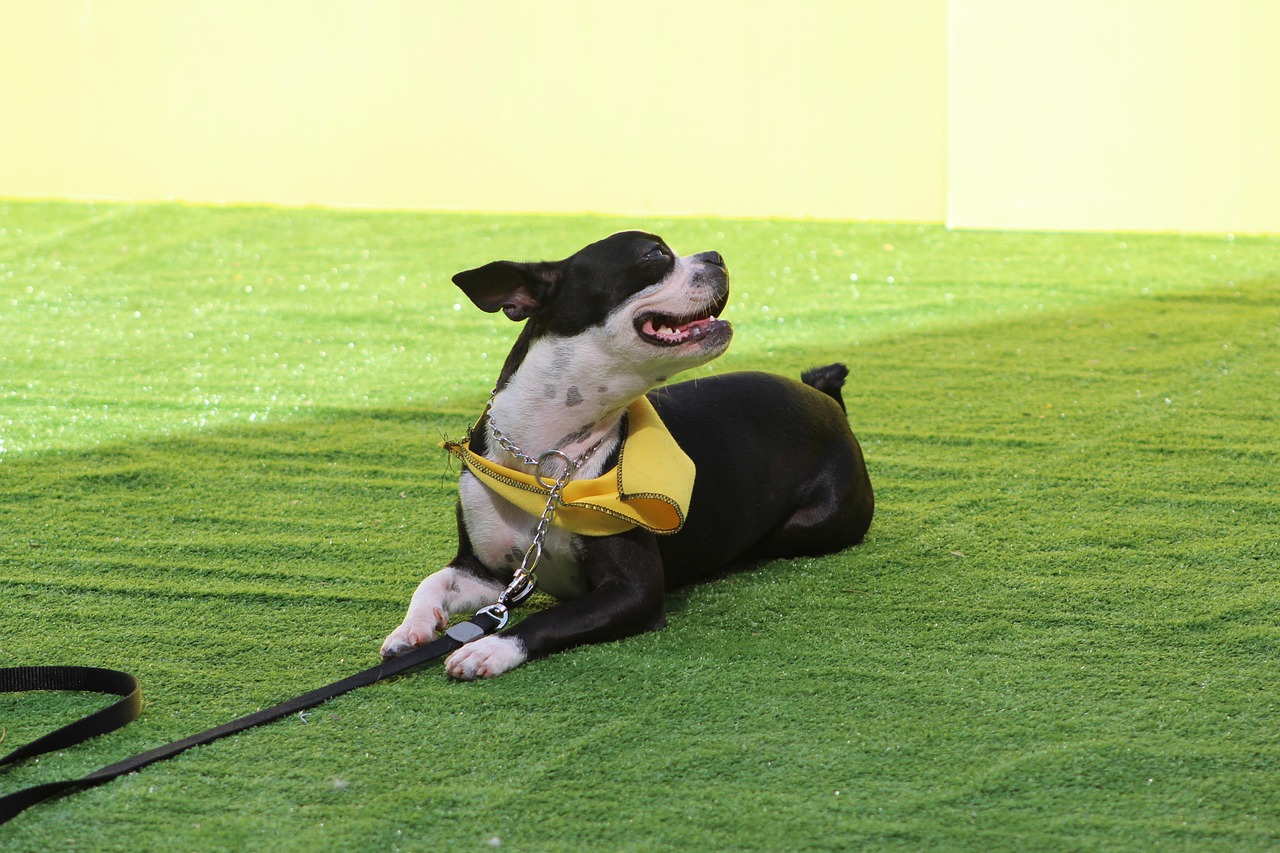

The Role of Consistency in ‘Go Potty’ Command Training
When training your dog for the ‘Go Potty’ command, consistency is key. Establish a routine that incorporates frequent bathroom breaks, especially after meals, playtime, or naps. Use the same cue words to let your dog know it’s time to go outside, such as ‘Go Potty’ or simply ‘Outside.’ Consistency helps your dog understand the command better, creating an association between the words and the action. Additionally, always reward your dog for successfully following the command with praise or treats, reinforcing the behavior positively. This process helps reduce accidents and promotes a habit of going outside for bathroom needs. It’s crucial not to scold your dog for accidents indoors; this confuses them and undermines the training effort. Structure and repetition work together to create a successful learning environment. Consider documenting your dog’s progress. By tracking and noting any setbacks or improvements, you can adjust your training methods to suit your dog’s needs effectively. In time, your dog will learn the ‘Go Potty’ command consistently, creating a smoother relationship between you and your furry friend.
Another important factor in your dog’s ‘Go Potty’ command training is the environment. Ensure that the area where you take your dog to relieve itself is free from distractions. If your dog is easily distracted by noises or other animals, they may struggle to focus on the task at hand. Choose a quiet and familiar location for bathroom breaks, making it easier for them to understand the command. Additionally, each outing should be calm and encouraging; this way, your dog won’t feel rushed or anxious. Allow them enough time to do their business without interruptions. For some dogs, using the same spot consistently can signal that it’s time to go. This location familiarity further reinforces the connection between the command and the action. Introducing a specific reward system can also facilitate learning. Use specific treats or toys that your dog only receives for going potty outside. This exclusive association deepens their understanding and motivates them. Be patient, as some dogs may take longer to grasp the concept than others. Every dog has a unique learning pace.
Positive Reinforcement Techniques
Incorporating positive reinforcement techniques is vital in ‘Go Potty’ command training. Instead of focusing on negative behaviors, emphasize rewarding good actions. When your dog successfully goes potty outside, offer them immediate praise. This can be in the form of verbal affirmations such as ‘Good boy!’ or a special treat. Be consistent with the type of reward given to strengthen the connection between the behavior and the incentive. Dogs thrive on affirmations, so the sooner they receive praise after doing the right thing, the more effective the training becomes. Setting specific, realistic training goals can help gauge progress over time. For instance, aim for your dog to respond to the command within a specific timeframe, gradually decreasing the expectation as they become more familiar with it. In cases where your dog does not respond, avoid punishment; instead, refocus on the next step or command. Regular repetition during training sessions solidifies the process. Each completed session helps your dog associate the command with success, making the training impactful. With time and commitment, your dog’s understanding of the ‘Go Potty’ command will naturally evolve.
Consistency in signaling the command also plays a fundamental role in effective training. Every time you take your dog to go outside, vocally signal the command while maintaining your usual tone. Using a calm and encouraging voice can positively impact your dog’s perception of the command. Dogs are sensitive to your emotions, meaning a relaxed and encouraging demeanor will help in their learning process. Along with verbal signals, consider incorporating body language, such as pointing towards the area where you want your dog to go. Dogs are adept at reading their owner’s cues, and adding a visual component can greatly enhance their understanding. Be steadfast in using the same words, tone, and gestures throughout the training. Deviating from this can cause confusion. Over time, your dog will recognize these signals as a prelude to going potty, encouraging them to respond promptly. Additionally, try to keep the training sessions short but frequent, especially during the initial stages. Young puppies may have shorter attention spans, so keeping training stimulating and brief yet frequent aids in retaining their interest.
Dealing with Setbacks
Setbacks are part of the training process when teaching your dog the ‘Go Potty’ command. Understanding that challenges may arise will help keep your expectations realistic. In moments of frustration, remember that patience is integral to any successful training routine. If your dog has an accident indoors, calmly assess the situation. Instead of chastising them, clean up thoroughly to remove any lingering scents that might prompt them to return to the same spot. Afterward, redirect their attention to the correct outside area. Consider setting up a regular schedule that includes periodic walks or bathroom breaks, ensuring that your dog has ample opportunity to relieve themselves appropriately. Regular schedules can encourage routine and solidify their understanding of bathroom needs. Furthermore, observing any signs of needing to go, such as circling, sniffing, or whining, can help in preventing indoor accidents. If they display these behaviors, take them outside immediately. Acknowledge their successes through consistent rewards to combat setbacks effectively, reinforcing that going outside is beneficial for them.
The time of day also affects potty training success. Dogs have different needs depending on whether it’s morning, evening, or during rainy weather. Morning potty training sessions can target the dog’s need after sleeping, making them eager to go. Similarly, after meals, dogs tend to need a bathroom break, making it a vital time to reinforce the ‘Go Potty’ command. In the evenings, take your dog out several times, making sure they understand the command clearly. Rainy or extremely cold weather can discourage outdoor bathroom habits; however, don’t let this deter training. Instead, reinforce the importance of consistent outdoor bathroom habits regardless of weather conditions. Equip yourself with an umbrella or proper clothing to make the process more comfortable. Consider taking shorter trips during unfavorable weather, ensuring you cover all necessary indoor aspects for successful learning. Dogs are creatures of comfort, and it’s essential to balance their needs with consistent training opportunities. Remember, adaptability in training can yield long-term success and support your dog’s understanding of the ‘Go Potty’ command.
Conclusion
In conclusion, consistency is crucial in the ‘Go Potty’ command training process. Setting a well-defined routine, using clear signals, and providing positive reinforcement can significantly enhance your dog’s learning experience. By remaining patient and compassionate during setbacks, you can evolve your training methods, adapting them to your dog’s specific needs and preferences. Documenting your dog’s progress is helpful, allowing you to analyze what works effectively over time. A positive approach to potential accidents helps create an encouraging environment that fosters learning. Remember to celebrate small victories to keep motivation high, reinforcing the bond between you and your dog. Having a well-trained dog in this aspect improves your relationship and provides a sense of security and comfort for both parties. With dedication and consistency, even the most stubborn pets can master the ‘Go Potty’ command, adding an essential skill to their repertoire. Most importantly, enjoy the process of training and the valuable times spent together, building lasting memories while creating a reliable routine. Ultimately, your dog will gain valuable potty habits that make them a cherished member of your family.
With this approach to ‘Go Potty’ command training, you’ll foster a strong communication bond with your dog while ensuring successful potty habits. Happy training!