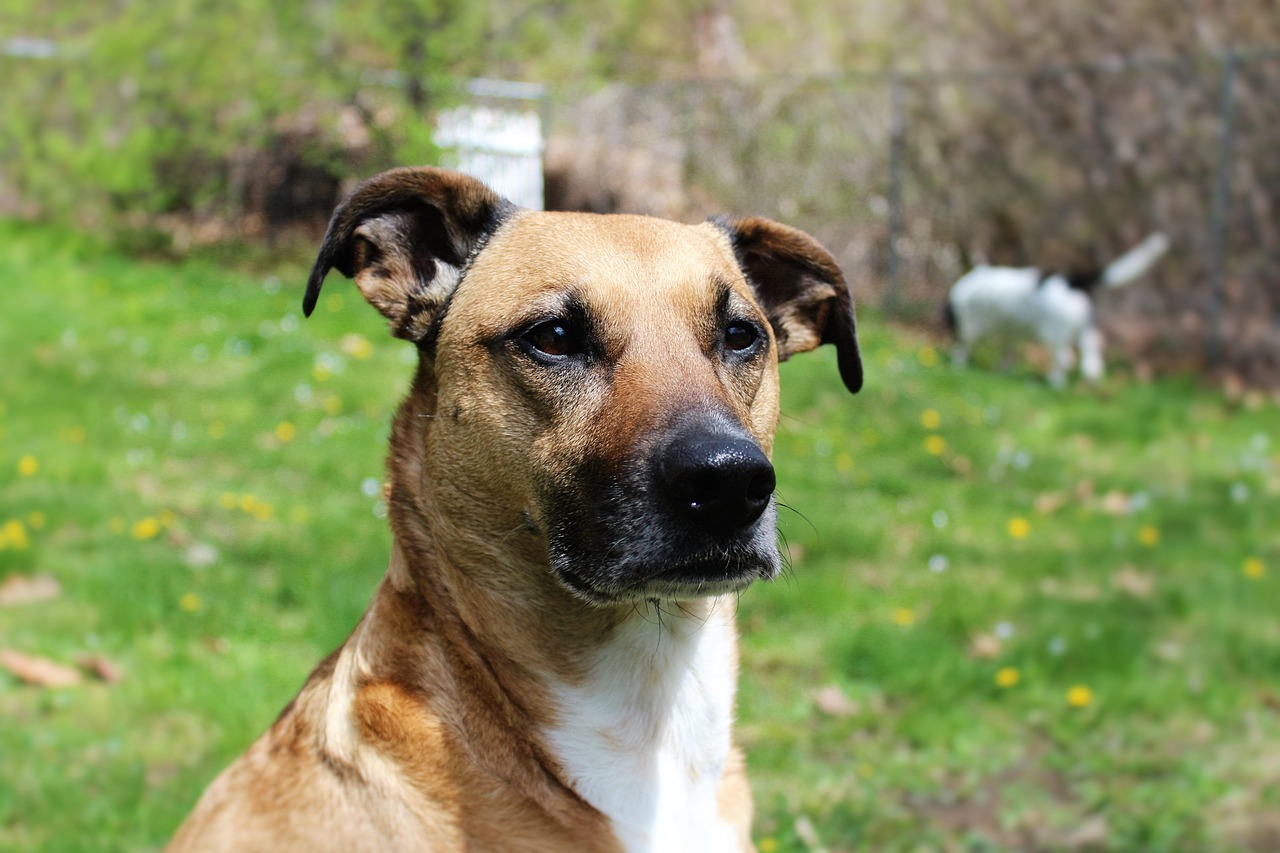

The Role of Consistency in Raising a Rescue Dog
Raising a rescue dog can be incredibly rewarding, but it comes with unique challenges that require, above all, consistency. Consistency applies not only to daily routines but also to commands, boundaries, and expectations. Initially, rescue dogs may feel overwhelmed due to their previous experiences, so establishing a structured environment can help them adjust. When a dog knows what to expect, insecurity diminishes, making them more confident in their new surroundings. Consistency aids in training; for instance, when teaching basic obedience commands such as sit, stay, and come, it’s essential that everyone in the household uses the same commands. This avoids confusion for the dog, allowing for clear communication. Moreover, repeated exposure to the same rules solidifies the learning process. When your rescue dog charges toward the open door, a consistent “No” or sound signal is critical to curb the habit. Both verbal reinforcement and non-verbal cues should occur uniformly. Socializing your dog with various people and pets in a consistent manner is also vital. This nurtures positive interactions while maintaining an environment where your dog can thrive and feel secure, fundamentally reassuring their transition into your family.
Establishing Routine
Creating a daily routine is an effective strategy when raising a rescue dog. Dogs, like humans, thrive on predictable schedules. This means feeding times, walks, and play sessions should happen at approximately the same times each day. When a dog’s schedule is consistent, they know what to anticipate and when. This reduces anxiety and behavioral issues that can result from uncertainty. Furthermore, incorporating training sessions into the daily routine helps reinforce learning. Short, focused sessions are effective and much better than long, drawn-out efforts. Every interaction can be a training opportunity—using treats or praise to reward positive behavior consistently. Along with feeding and training, ensuring your dog gets regular exercise is critical for physical and mental health. A consistent exercise schedule not only burns excess energy but also strengthens the bond between you and your furry friend. Finally, consistencies must carry into downtime. Establishing nest times where your dog knows it’s time to relax promotes good behavior and helps in developing a peaceful household environment. Each of these aspects ties together, enabling a smoother transition for your rescue dog and ensuring they become a cherished member of your family.
Positive reinforcement is one of the best techniques for training. It involves rewarding your dog when they exhibit desired behaviors, fostering a mutual understanding of expectations. For a rescue dog, who may have experienced trauma or inconsistency in their prior life, reassurance through positive reinforcement is especially critical. Being patient is fundamental, as every dog learns at a different pace. Use treats, petting, and verbal praise to distinguish acceptable behavior from undesirable actions. Consistency in rewards is key; if you reward your dog today for sitting, make sure to do it every time they perform the command correctly in the future. Additionally, avoid punishing a rescue dog as it can lead to fear and insecurity. Instead, redirect unwanted behavior with a consistent command or toy. While the process might seem slow, persistence pays off. Over time, your rescue dog forms connections between their behavior and the rewards provided. Create a joyful environment by ensuring that training doesn’t turn into a chore. Engage their spirit and keep sessions fun. The effort you put into establishing a rewarding environment will solidify communication and understanding, creating a happier and more secure lifelong companion.
Implementing Boundaries
Implementing clear and fair boundaries is an essential aspect of raising a rescue dog. Dogs, especially those from rescue situations, often test limits to understand what is acceptable. They need to learn what behaviors are permitted and which are not. Consistency in enforcing these boundaries helps your dog understand their place in the home. For instance, if you decide that your rescue dog isn’t allowed on furniture, this rule must apply every time for every person in the household. If one family member allows the dog on the couch but others do not, confusion arises. A professional trainer can help in creating a fair yet structured approach to boundaries if you feel challenged. Pay attention to the dog’s signals and the context of their behavior. Inconsistent discipline may also lead to regression in training. Reinforce positive behaviors regularly with praise or treats while making sure that negative behaviors continue to be addressed. This creates a balanced atmosphere, decreasing misbehavior and fostering a good understanding. Remember, consistency isn’t about being harsh; it’s about providing your dog a safe and secure environment where they know what to expect and can flourish.
Socialization is vital for rescue dogs and should be consistently implemented from the very beginning. Introducing your dog to new people, environments, and animals provides them with crucial experiences and enhances their adaptability. A well-socialized dog is typically more confident and better behaved. Start slow, making introductions in controlled settings, so the experience isn’t overwhelming. Consistency in social interactions will help your dog learn to trust. Engaging with other dogs can also teach proper canine etiquette. Each outing or encounter can introduce your dog to different sights, smells, and sounds. Over time, they will become comfortable with various stimuli, diminishing fear or anxiety in unfamiliar situations. Regular excursions to parks or dog-friendly events can facilitate this socialization process. Use treats and praise to reinforce positive behavior during these interactions. Remember to be patient as it may take time for your rescue dog to adapt. Continue with the process consistently, offering exposure to various scenarios, ensuring these experiences remain positive. The aim is to establish a well-rounded dog that feels at home in diverse situations. This will not only enhance their quality of life but also solidify their place within your family.
Monitoring Progress
Monitoring your rescue dog’s progress is essential to understand how consistency impacts their development and wellbeing. Keeping a journal may be beneficial for tracking improvements and identifying areas needing more attention. Record the training milestones, socialization events, and behaviors that show change, both positive and negative. Regularly reviewing this journal helps in adjusting training methods or routines that might not be working effectively. Additionally, consult with a veterinarian or professional trainer if unclear about your dog’s progress. They can provide insights into whether your approach is beneficial or requires modification. Bringing other family members into the training process ensures that everyone is on the same page and promotes a unified training strategy. Consider the individual personality and needs of your rescue dog as they adapt. Each dog is unique, and some may have past traumas that require a tailored approach. As notable progress is made, remember to celebrate achievements, no matter how small. Consistently acknowledging progress builds confidence and strengthens the bond between you and your pet, making them more receptive to ongoing training and structure.
In conclusion, embracing consistency in all aspects of raising a rescue dog is paramount. This includes routines, training commands, boundaries, and socialization efforts. By providing an environment steeped in predictability, you significantly ease the transition for your pet, allowing them to flourish. Patience plays a crucial role, as some days will inevitably come with challenges. Celebrate the small victories and remain steadfast in your approach. Remember that you’re doing immense good by offering a loving home to a dog in need and that the comprehensiveness of your efforts will produce a well-behaved companion. It’s essential to maintain open communication with all family members engaged in the dog’s life to ensure boundaries and training methods remain consistent. Establishing collaborative practices reinforces the dog’s understanding of accepted behaviors. As always, be flexible—what works well one day may need adjustments the next as your dog learns and grows. Overall, creating a secure atmosphere leads to a healthy relationship between you and your rescue dog. Your commitment to consistency and positive reinforcement will help you raise a loyal and loving companion for years to come.
Visual aids can also play a role in reinforcing training. Use photos, videos, or charts to remind family members of the established commands and routines. Dogs respond positively to visual cues, so this could enhance their understanding. Lastly, never hesitate to seek community support from other rescue dog owners. Joining forums or local support groups offers invaluable resources, experience-sharing, and additional tips that can contribute to your success in raising a happy, well-adjusted rescue dog. By being part of a supportive network, you can learn from the experiences of others and share your journey. Cultivating a community around your efforts provides encouragement and motivation, essential for raising any pet, especially one that may have specific needs. Consistency is not merely a method; it’s a policy that can adapt to your dog’s growth and changing needs. As they settle in, continually evaluate your approach, ensuring you’re fostering an atmosphere where your rescue dog can thrive. Most importantly, cherish each moment of the journey. Through dedication and understanding, your rescue dog will undoubtedly bond with you, enriching your life for years to come.