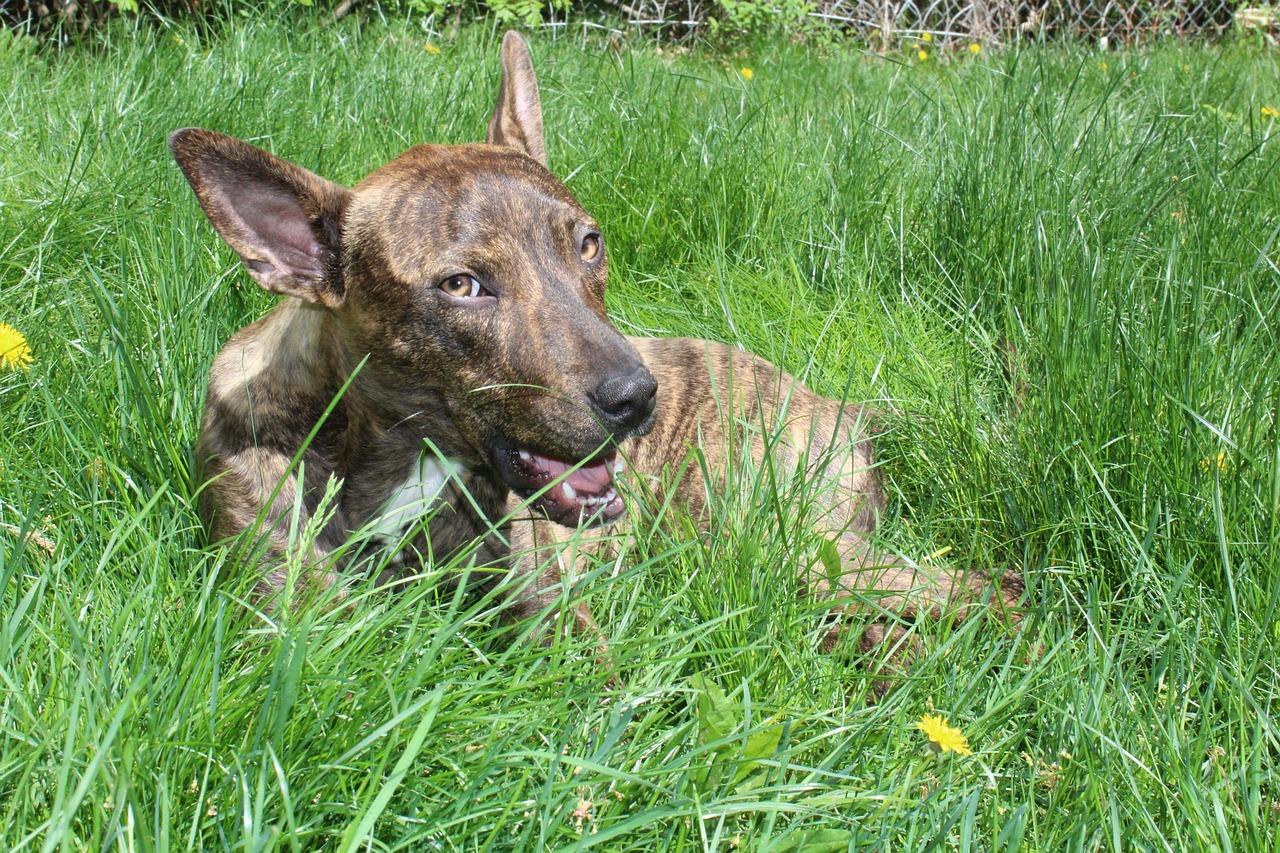

Understanding the Importance of Socialization for Rescue Dogs
Socialization for rescue dogs is a crucial process that significantly impacts their behavior and emotional well-being. Many of these dogs come from environments where interactions with humans and other animals were limited or even harmful. Proper socialization helps them adjust to their new lives, reducing anxiety and fear. Gradual exposure to different settings, sounds, and people prepares them to handle various situations. Training should begin as soon as possible to reinforce positive experiences and build their confidence. Techniques such as rewarding good behavior during social interactions are effective. Socialization can occur in safe environments like the home and controlled public spaces, fostering better adaptability. In addition, supervised playtime with other friendly dogs is beneficial, teaching them vital social cues. This learning phase is often essential for rescue dogs who have felt neglected or traumatized. Support networks, such as trainers and fellow dog owners, can offer guidance and tips for effective socialization. Investing time in the process establishes a foundation for a more trustworthy and stable relationship between the dog and its new family.
One of the most important aspects of dog socialization is ensuring that the rescue dog feels comfortable in its new surroundings. Gradual exposure to new experiences can help prevent behavioral issues later on. For instance, taking a dog on short outings to public parks or pet stores can help acclimatize them to different environments and people. Always introduce them to other dogs gradually, using proper introductions and supervision. Ensure that each interaction is positive, as negative experiences will hinder their progress. Consistent training based on patience, repetition, and rewards can also enhance their ability to socialize effectively. Owners should also focus on the dog’s body language during meetings with other animals or people. Signs of stress, such as growling or hiding, may indicate that the dog is not ready yet. It is essential to respect those signals and provide the dog with space when needed. Creating positive associations helps build their confidence, making each subsequent interaction less daunting. Additionally, encouraging safe play can improve their social skills, assisting in reaching that balance of confidence and friendliness necessary for successful socialization.
The Role of Professional Trainers
Professional trainers play a significant role in the socialization of rescue dogs. They can offer personalized strategies tailored to the specific needs of each dog. Experienced trainers have insight into various techniques that can address problematic behaviors, such as aggression or shyness. Engaging a professional can help speed up the socialization process, ensuring it is done correctly. Trainers often implement structured socialization exercises that are safe and accepting. This guidance can ease the burden on new owners who may feel overwhelmed by the task. Classes specifically geared towards socialization help dogs learn alongside others in a controlled manner. They will expose the dog to different breeds and temperaments, promoting flexibility. Owners can also learn valuable skills in how best to communicate with their dogs, which can reinforce the training process. These classes are beneficial for meeting other dog lovers and creating community support. In summary, a professional trainer’s input can significantly improve the rescue dog’s transition into a loving home and enhance their socialization skills through expert advice and structured environments.
Creating a socialization plan for the rescue dog is essential for long-term success. The plan should encompass various aspects, such as age-appropriate experiences, exposure to different environments, and regular practice sessions. Daily outings to different environments, including busy areas, parks, or even quiet neighborhoods, allow the dog to grow accustomed to varying stimuli. Incorporating diverse socialization opportunities, such as meeting new people and dogs, enriches their experiences. Additionally, ensuring that each outing is a positive one is crucial. Feedback from the dog about what they enjoy will guide future socialization sessions. Offering treats and praises during positive experiences encourages the dog to embrace these new situations. Furthermore, finding a consistent routine reduces anxiety for both the dog and the owner. Regular exposure, matched with planned desensitization, can significantly ease the dog’s adaptability to real-world situations. Each experience should reinforce healthy behavior while gradually increasing the complexity of the social environments. Leashing the dog during outings ensures control, protecting both the dog and others. An effective plan will create a more confident, social, and well-adjusted rescue dog ready to integrate into family life.
Importance of Positive Reinforcement
Positive reinforcement is a vital component of effective dog socialization, particularly for rescue dogs. Using treats, praise, and toys during training helps establish a bond of trust between the dog and its owner. Positive associations created through proper training techniques strengthen the dog’s confidence in social scenarios. For instance, rewarding a rescue dog for calmly greeting another dog can reinforce a positive response to future encounters. When dogs associate new experiences with rewards, they are more likely to approach challenges willingly. It is crucial to maintain a balance between rewards and training, ensuring the dog remains engaged and focused during sessions. Over time, behaviors that lead to rewards will become habitual, resulting in improved social interactions. However, it’s essential to avoid using punishment, as negative reinforcement can lead to fear and anxiety among rescue dogs. They may intensify their behavioral issues rather than alleviate them if subjected to harsh methods. Practicing gentle, hands-on training methods creates a strong bond built on trust, laying the foundation for a peaceful, enjoyable social life. Achieving this balance fosters a happy, well-adjusted rescue dog, enriching both the owner’s and the dog’s daily life.
Community involvement can greatly aid in the socialization of rescue dogs, amplifying their opportunities for positive interactions. Local dog parks, training classes, and community events allow owners and their dogs to engage with others. These gatherings offer fantastic chances for socialization with other dogs and people in a structured environment. Additionally, volunteering at animal shelters can help expose rescue dogs to diverse individuals and experiences. Engaging in community-focused gatherings, such as leash-free events or adoption days, enhances socializing skills among rescue dogs. Trainers often host workshops or meetups focused on socialization, encouraging a sense of community both for the dogs and their owners. Participants can share experiences, strategies, and insights. These events contribute to a supportive network while assisting in better education for dog owners. New owners especially can find valuable information that may ease their training process. Expanding connections among local dog owners also leads to friendships, creating an enriching atmosphere. Thus, both the dogs and their humans benefit from community involvement, enhancing the overall socialization experience in meaningful ways, enriching lives and promoting a dog’s confidence while transitioning into a new home.
Challenges in Socialization
Despite the clear benefits of socialization, many challenges exist that rescues and their owners must navigate. Some dogs may arrive with traumatic backgrounds, which can make them wary of new situations or other animals. Addressing these traumas requires immense patience and understanding from their owners. Behaviors such as excessive barking, hiding, or aggression can arise without proper handling. These responses indicate that the dog may need more time to adapt to its new environment. Additionally, rescue dogs often struggle with unfamiliar noises or bustling crowds, leading to fear-based reactions. Situational stress can play a significant role, making it essential for owners to recognize their dog’s comfort zones. Owners also may face difficulties when balancing the dog’s need for socialization against their safety, particularly with aggressive dogs. Gradually exposing the dog while providing structure can significantly improve behaviors over time. Utilizing the assistance of professionals or dog psychologists can aid in developing effective strategies to combat these issues. Every dog is unique, and fostering an individualized approach can create a more positive experience for the dog, allowing them to thrive in a loving environment.
Ultimately, socialization for rescue dogs is paramount in ensuring they lead happy and fulfilling lives. The skills learned during socialization not only reduce fear and anxiety but also contribute to a well-adjusted family member. Supporting the dog through positive experiences fosters essential skills for interacting with the environment and improving their overall happiness. Ongoing socialization efforts can create lasting benefits that enhance the dog’s confidence. It is never too late to start the socialization journey, and every step taken can lead to remarkable outcomes. Families who invest time in socialization reap the advantages of a resilient, loving companion. Additionally, the socialization process nurtures the bond between owners and their pets, promoting mutual understanding and respect. A well-socialized rescue dog tends to exhibit desirable behaviors, leading to smoother interactions with humans and other dogs. In turn, this contributes to a harmonious home environment. Ultimately, the commitment to effective socialization efforts sets the stage for successful integration into the family. This journey of socialization offers amazing rewards, enriching the experience for both the dog and the family, and leading to a fulfilling life shared together.