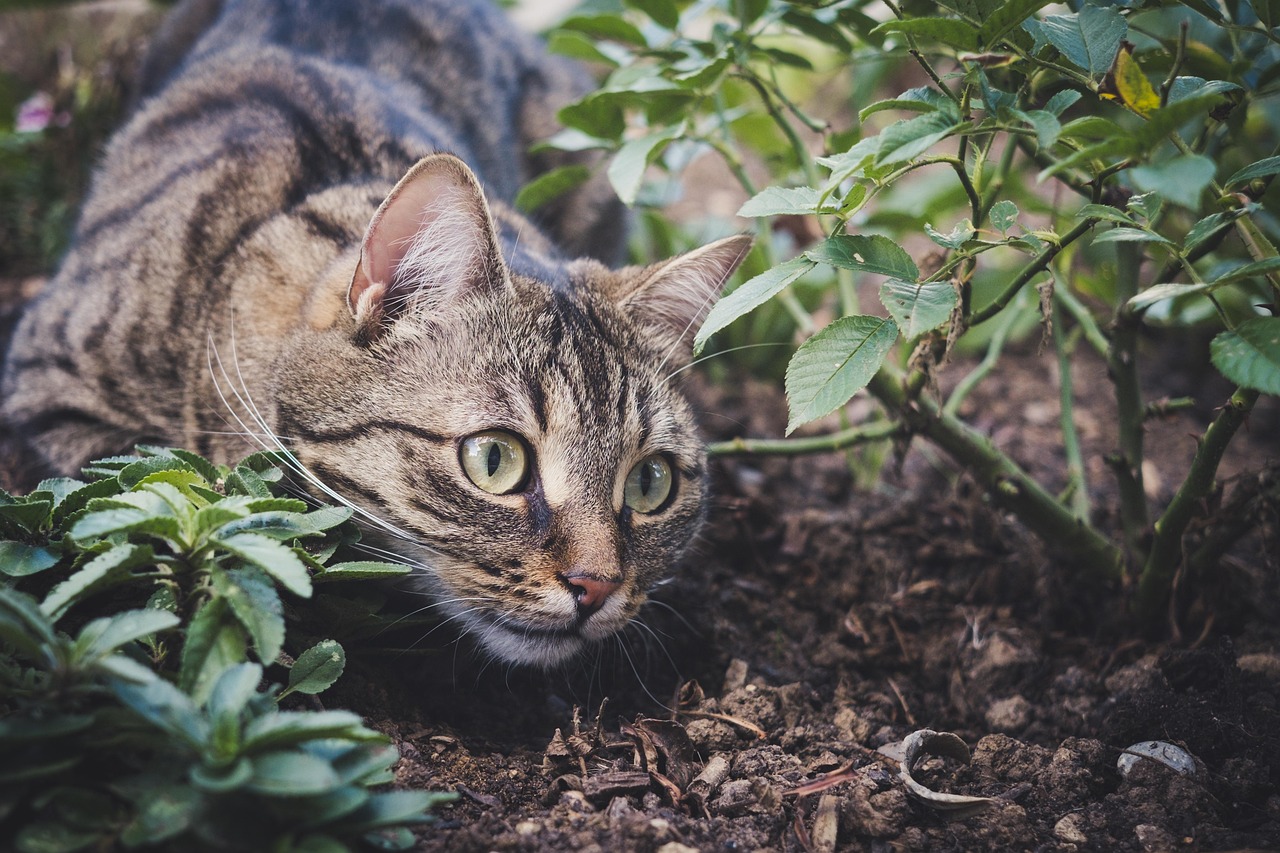

Commands to Help Outdoor Cats Coexist with Other Pets
Understanding how to manage outdoor cats around other pets is critical for peaceful cohabitation. One of the most effective ways to ensure harmony is through specific training commands. For example, teaching commands like “come” helps to quickly summon your cat back indoors when encountering other animals. A reliable recall command is essential for keeping your cat safe and under control. Consistent training sessions that involve treats and praise will reinforce this behavior. Introducing commands gradually supports positive experiences and minimizes stress. Additionally, utilizing a hand signal can enhance the verbal command and improve communication with your cat. Creating a structured training environment helps both the cat and the owner understand the expectations more clearly. Using a clicker as a training tool can also effectively mark desired behaviors. This method fosters an association between the command and the action, resulting in quicker understanding from your cat. Engaging in outdoor activities together can help build a strong bond and increase responsiveness to commands. Next, exploring further command options will enhance your cat’s ability to navigate through various situations.
Another vital command to teach your outdoor cat is “stay”. This command is particularly beneficial when introducing your cat to other pets. This command encourages them to maintain their position without moving forward, allowing you to control the environment more effectively. When first training your cat to stay, use a calm tone and a treat as motivation. Gradually increase the distance between you and your cat while they remain in place, creating confidence in their ability to obey. Practice in different locations to help your feline adjust to varying distractions. A strong ‘stay’ can prevent your cat from approaching other pets prematurely, safeguarding their well-being. This command is also beneficial during outdoor excursions when unexpected encounters occur. Remember always to reward your cat for staying in position, as positive reinforcement plays a crucial role in successful training. Consistency is essential in establishing trust, making your cat more responsive to commands in unpredictable situations. With patience, your cat can master this command, ensuring they are always under your control. Let’s explore even more commands that can further help outdoor cats coexist peacefully with your other pets.
Additional Commands for Safety
The “leave it” command is another essential command to ensure your outdoor cat’s safety. This command instructs your cat to avoid unwanted objects or potential dangers while exploring outdoors. Begin training your cat with something enticing, such as a treat or toy. By presenting the object while saying ;leave it;, you can guide your cat to ignore the item. Once they refrain, immediately reward them with a different treat that they enjoy. Reinforcement is crucial in reinforcing the command, making your cat more likely to respond positively to it in the future. Gradually increase the difficulty by introducing various temptations like leaves, insects, or even other pets. This command is beneficial when encountering activities like trash digging or approaching other animals. Cats often face numerous outdoor distractions, and training them to leave undesirable items is vital for safety. With consistent practice, your cat can develop better impulse control. Successfully mastering this command will foster a smoother interaction with other pets, allowing for a more enjoyable outdoor experience.
A helpful command when exposing outdoor cats to pets is “no”. Understanding the nuances of this command can make a significant difference in your cat’s behavior. Use a firm and assertive tone when saying “no” to discourage unwanted behaviors, such as aggressive actions towards other animals. It’s essential to communicate displeasure while creating a non-threatening atmosphere. This helps your cat understand that their actions are undesirable without inciting fear. Consistent reinforcement is vital; pairing the command with redirection can effectively curb problematic behavior. If your cat displays aggression or escalating curiosity towards another pet, using this command can guide them to respond safely. Gradually integrate the command into various scenarios, emphasizing situations that may typically lead to aggression. Positive reinforcement after demanding corrections is important, ensuring a balanced approach to corrections. Teaching your cat the significance of the ‘no’ command establishes a foundation for better recognition of boundaries. In time, your outdoor cat will progressively learn how to interact positively with other pets. Continue exploring additional commands that further enhance your cat’s outdoor experiences around other animals.
Managing Encounters with Commands
The command “come here” is crucial when managing unpredictable encounters with other animals. Teaching your outdoor cat a strong recall command can save them from dangerous situations. When you call your cat, maintain a consistent tone that is inviting yet authoritative, encouraging them to return to you promptly. Utilise treats, praise, or play to reinforce their positive behavior when they respond to the call. Initially, calling your cat from short distances will help them grasp the command, gradually increasing distance to challenge them as their understanding improves. This command is particularly beneficial during playtime or if a person or animal approaches when you’re outside. Practicing the command in various environments will help solidify their response, leading to better reliability. Using light up collars can also assist in visual recognition during twilight hours. The more consistently your cat associates coming back with positive experiences, the more likely they will heed your commands in the future. Emphasizing safety through obedience will pave the way for better interactions with other pets as your outdoor cat becomes more trustworthy. Explore further commands that reinforce better outdoor behaviors.
Another significant command to reinforce is “slow down”. This command is particularly vital when your cat is overwhelmed or feels the need to rush. Instilling patience is crucial when managing outdoor activities, as external stimuli can provoke anxious or aggressive behavior toward other pets. Teach the command slowly, associating verbal cues with a calming atmosphere. Utilizing positive reinforcement, navigate through various outdoor situations to help your cat recognize and respond appropriately. Encourage them to take their time walking, especially when confronted with unfamiliar animals or objects. Training methods should emphasize gentleness and patience, reducing anxiety. As the outdoor environment can be unpredictable and exciting, this command allows your cat to approach situations with caution. Reinforcing this behavior will provide your feline with the tools needed to alleviate impulse-driven reactions. By blending slow-paced interactions with this command, your cat will develop a more balanced approach to new encounters. It fosters trust in their ability to adapt and adjust to their surroundings. Expand various training strategies to support your outdoor cat’s overall well-being in environments filled with distractions.
Conclusion: Building Harmony in Multi-Pet Households
Ultimately, teaching your outdoor cat a variety of commands is essential for fostering harmony in multi-pet households. The key commands discussed help to create a stronger bond between you and your pet while ensuring safety in unpredictable encounters. Regular practice of commands like “come”, “stay”, “leave it”, “no”, and “slow down” greatly enhances your outdoor cat’s ability to adapt to interactions with other animals. Maintaining a structured training routine reinforces your cat’s behavior effectively, allowing them to thrive in social situations. Additionally, creating a positive training atmosphere supports stress relief during outdoor encounters. Remember, patience and consistency are the cornerstones of a successful training regimen. Encouraging your cat’s success helps minimize anxiety while improving overall behavior. As a result, you can ensure a more peaceful atmosphere in multi-pet settings. Each practice session enhances their responsiveness and understanding of commands, leading to improved experiences outdoors. Investing time in effective communication will significantly contribute to your cat’s happiness and security when navigating their adventures as outdoorsy companions.
Implementing the skills gained from training can result in remarkable transformations in your outdoor cat’s attitude towards other pets in the household. Enthusiasm and positive reinforcement will create a nurturing training environment. With time, your outdoor cat will learn to coexist more peacefully and harmoniously with other pets, allowing for enjoyable outdoor excursions for everyone involved. Fostering effective communication and mutual understanding between all pets ultimately enhances the quality of life at home.