
Disinfecting Your Home After a Parvovirus Case
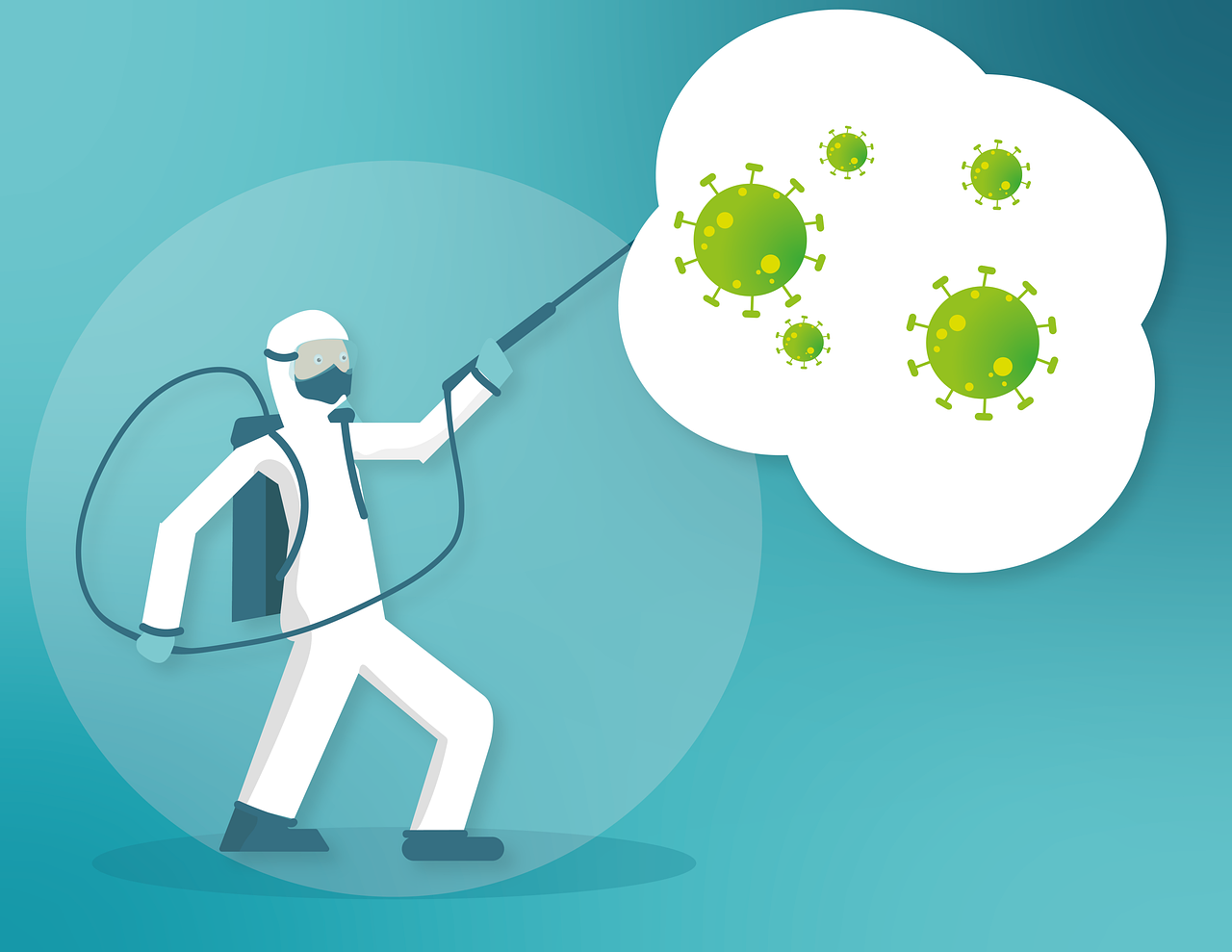
Parvovirus infection is highly contagious among dogs and can remain dormant in environments for long periods. After a pet has been diagnosed, it’s critical to disinfect your home thoroughly to prevent spread to other animals. Start by removing any feces and soiled bedding, as well as items that have come into contact with the infected dog. Use disposable gloves to handle waste, placing it in sealed bags for safe disposal. Next, prepare a disinfecting solution that includes bleach mixed with water in a ratio of 1:32 (1 part bleach to 32 parts water). Parvovirus can survive on surfaces, so focus on hard surfaces like floors, walls, and dog dishes. Scrub these areas with the bleach solution, ensuring they remain damp for at least 10 minutes to maximize virus elimination. In particular, pay attention to high-contact areas such as door handles and furniture. Consider using a mop or sponge specifically for disinfecting to avoid cross-contamination with non-infected areas. Remember that parvovirus is resilient, so thorough disinfection is essential to ensure no residual virus remains.
After cleaning surfaces, pay particular attention to your yard if your dog had access to outdoor spaces. The parvovirus is hardy and can linger in soil and grass for extended periods. To sanitize the yard, consider using the bleach solution again, applying it liberally to affected areas. Be cautious, however, as bleach can harm plants and grass. Another approach is to use a specialized pet-safe disinfectant that claims to eliminate viruses, ensuring it’s safe for your environment. Always read the product label carefully before application. Monitor your yard for any signs of infection among other pets, especially if they display gastrointestinal distress. Regularly check local veterinary guidance about outbreaks in your area, as community awareness can help manage risks. If your dog has been infected, limit their access to shared dog parks or common areas until cleared by a vet. This also helps prevent spreading the virus to other unvaccinated or vulnerable dogs. While cleaning your home and yard, enhance your knowledge about the parvovirus to protect your pets better.
It’s essential to recognize that Parvovirus is particularly aggressive in puppies and unvaccinated dogs. As such, after a confirmed case, it is advisable to inform other pet owners in your neighborhood. Open communication can help prevent potential outbreaks and promote vaccinations. Make sure to thoroughly educate yourself and those around you about the symptoms of parvovirus, such as severe vomiting, diarrhea, and lethargy. These indicators can help others recognize the disease early and take necessary precautions. Additionally, ensure that your own pets remain up to date with their vaccinations, as this is the most effective preventative measure against infection. Puppies should receive their first vaccination at around six to eight weeks of age, followed by boosters at specific intervals. Regular veterinary check-ups can also provide guidance for maintaining an effective vaccination schedule. Keeping your pets safe includes not only disinfecting your home but also being proactive in community awareness and education. Having this knowledge is instrumental in safeguarding both your dogs and others within the vicinity from this potentially fatal virus.
After proper disinfection, observing your dog for any lingering symptoms is critical. Contact your veterinarian if you notice any unusual behaviors or signs of illness post-treatment. The vet may recommend monitoring your pet for several weeks after recovery due to the virus’s ability to cause long-term health effects. It’s essential to implement a post-recovery care routine with a focus on hydration, nutrition, and a stress-free environment to ensure your dog’s full recovery. Additionally, consider scheduling follow-up veterinary visits to ensure they are back at optimal health. During this period, dogs are more vulnerable to other infections due to their weakened immune systems. Therefore, keeping them away from public areas and other animals is vital until they fully regain health. This includes limiting exposure to dog parks and playdates with other pets. Encourage plenty of rest and comfort so they can focus on rebuilding strength. Finally, consult your vet for advice on transitioning back into regular activities, ensuring your dog’s gradual return to a healthy lifestyle.
Long-Term Prevention of Parvovirus
It’s vital to establish long-term safeguards against parvovirus to protect your pet effectively. This begins by ensuring regular vaccinations for your dogs, as discussed previously. Vaccines are not just a one-time event; ensure that your pet’s vaccination schedule is adhered to throughout their life. Corporal surroundings also play a role; continue cleaning and disinfecting areas where your dogs frequent. Regularly assess shared spaces like parks for cleanliness, maintaining vigilance about your pet’s interactions. If you adopt a new dog, verify their vaccination history before introducing them to your other pets. Additionally, assemble a pet emergency preparedness kit that includes disinfectants, gloves, and informative materials about parvovirus to aid in quick responses if symptoms arise. Networking with local veterinarians can also keep you informed about any potential outbreaks in your vicinity, equipping you to act instantly. Education is a powerful tool; sharing resources with fellow pet owners and actively engaging in your community can promote widespread awareness about preventing parvovirus. Responsible pet ownership calls for knowledge and sincere action, keeping your canine companions safe against this dangerous disease.
Investing time in reading books and online resources regarding pet care comes with myriad benefits as well. Gaining in-depth knowledge about canine health, especially concerning communicable diseases, can save lives. Familiarize yourself with the latest advancements in vaccines, treatments, and care protocols. Engage in conversations with your veterinarian regarding diet and lifestyle choices that could bolster your dog’s immune system. Healthier dogs are more resilient and better able to fend off infections, including parvovirus. Understanding nutrition and exercise routines can help you maintain a strong and healthy canine companion. Further, promote socialization among your pets in controlled environments, ensuring they remain safe from at-risk interactions. This is an important consideration, particularly in the first couple of years of a dog’s life, when they are more susceptible to diseases. Join pet owner groups or forums to share experiences and strategies. By staying informed and proactive in your pet’s health, you actively contribute to a healthier pet community. Striving for safety, community engagement, and education provides the best defense against parvovirus infection.
Conclusion and Ongoing Vigilance
In conclusion, addressing parvovirus infection requires not only immediate action post-diagnosis but ongoing vigilance throughout your pet’s life. The steps you take to disinfect your home and environment can play a significant role in preventing further outbreaks and protecting other animals. Regular monitoring and communication with your veterinarian about your dog’s health are indispensable. Establishing a disinfecting routine and vigilance extends far beyond the immediate aftermath of infection, ensuring your dog remains healthy long-term. Each pet owner has the responsibility to be aware of the signs of disease and the necessary precautionary measures required. Also, fostering community awareness about parvovirus in dog parks and social settings adds another layer of protection. Your vigilance supports not only your own pet but contributes to the betterment of the wider canine community. Furthermore, maintaining an ongoing dialogue with other pet owners can improve collective knowledge and vigilance. Ultimately, being proactive, engaged, and educated empowers you to provide a safe haven for your pets against parvovirus and other infectious diseases.
Taking all these factors into account, you serve as an important line of defense against canine diseases. The journey towards a pet-friendly and safe household continues post-recovery. Regular health assessments, alongside veterinary guidance and community efforts, create a robust framework for protecting our beloved canines. Be sure to stay informed about updates and scientific advances in veterinary medicine related to parvovirus. By educating yourself and others, you foster a culture of care and awareness that resonates beyond your personal pet. Each interaction with other pet owners becomes an opportunity to raise awareness and promote responsible pet care. This cultivated environment not only ensures your pet’s safety but enhances the welfare of dogs community-wide. Disinfecting your home is just one element of a comprehensive approach in warding off parvovirus. Combine thorough practices with ongoing pet health education and community solidarity. Doing so may not just protect individual dogs but can create a healthier ecosystem for all pets within reach. Be the advocate for your dog and others, joining the collective for a brighter, disease-free future for our cherished companions.