
Maintaining Your Cameras and Gear for High-Speed Dog Action Shots
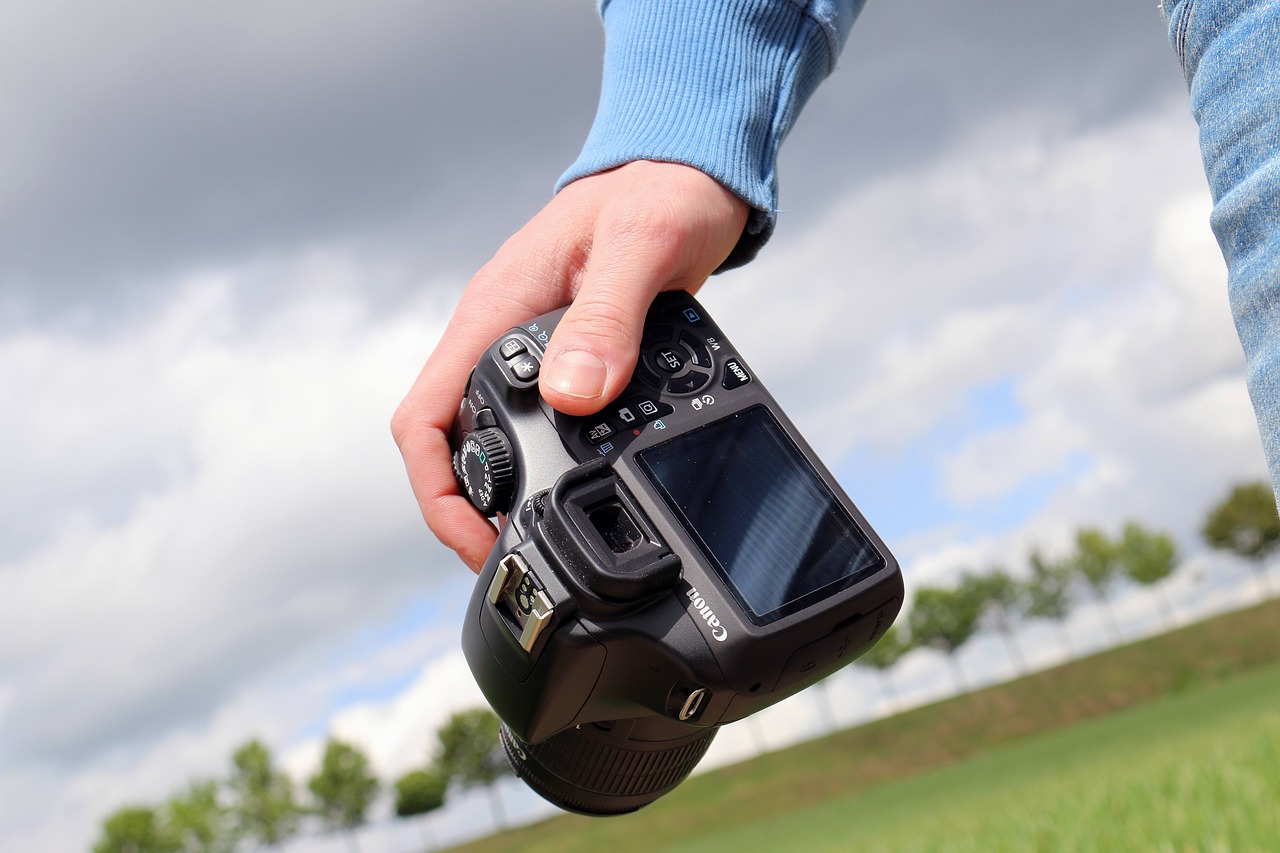
Dog photography often captures the joyful and unpredictable nature of our furry friends. To do this well, your camera and equipment must withstand varied conditions. Proper maintenance is crucial for ensuring that you capture truly stunning shots without any hiccups. Start by regularly cleaning your camera lens and sensors to avoid dirt or smudges that can ruin images. Use a microfiber cloth designed for lenses and a blower to remove dust particles. Store your gear in a protective case to shield it from the elements while transporting it to shoots. Furthermore, a lens hood is useful in preventing lens flare from sunlight. Keeping your lenses and camera protected will guarantee that they perform well during those high-paced moments when a dog leaps or runs. Additionally, test your equipment before heading out, ensuring all settings function properly and batteries are fully charged. Consider extra batteries for extended shooting sessions, especially when capturing lively dogs in action. Always carry backup storage media, so you never miss an important moment because of space issues.
Cleaning and Storing Your Equipment Properly
To maintain your photography gear optimally, establish a regular cleaning routine that coincides with your shooting sessions. After each dog shoot, pay attention to your camera body, cleaning it gently with a soft cloth and ensuring that it is free from moisture. The environment you shoot in can introduce mud and debris, which can be damaging. In addition to the exterior, focus on cleaning sensor dust occasionally, perhaps with a dedicated sensor cleaning kit. If you experience persistent issues, consider a professional cleaning service for deeper maintenance. For your lenses, invest in protective filters that act as barriers against scratches and dust. When not in use, store your gear in a cool, dry environment — humidity can harm electronics and lenses alike. Using desiccants in your camera bag can absorb excess moisture. Protection against drops or colliding with outdoor objects is critical. Look into padded bags or specific camera cases intended for outdoor use. Following these guidelines, your camera gear will endure the nature of fast-paced dog photography.
It’s essential to inspect your camera and gear regularly for any signs of wear and tear. Start by checking the lens mounts and connections for dirt or debris that can affect performance. Additionally, monitor the condition of cables and adaptors, making sure they remain in good working order. Any fraying or damage could lead to malfunction during pivotal moments. Also, ensure that the lenses and flashes click and lock securely into place, so you aren’t left frustrated when capturing great moments. You may also want to conduct performance tests on your equipment, such as focusing speed and shutter responsiveness, especially in a high-speed action context like dog photography. By actively testing these aspects, you can quickly spot issues before they become problematic on-site. If problems arise, consult the manual or reach out to a professional for servicing. Keeping your gear in tip-top shape ensures you’ll be ready to capture those spontaneous, split-second actions that are a hallmark of dog photography, allowing you to focus on creativity and composition without equipment distractions.
Importance of Backup Equipment
In dog photography, having backup equipment isn’t just a recommendation; it’s an imperative requirement. Events might not go as planned, and technical difficulties can arise unexpectedly, especially while shooting high-energy pets. Investing in a spare camera or at least a secondary lens can save the day. When dogs are in motion, you could miss fleeting photographic moments due to unexpected failures. Moreover, a second camera allows you to catch different angles or perspectives simultaneously, enriching your photography portfolio. Additionally, ensure you have extra batteries and memory cards on hand as you might run into situations where one fails or is exhausted. Carry a versatile lens that works well in varying conditions, such as a 24-70mm zoom. A portable external flash can also be a lifesaver in low-light situations. Organizing your backup gear is also key — label everything clearly and make ’em easy to access in the field. This will prevent any unnecessary delays during photo opportunities, allowing you to focus entirely on capturing the adorable antics and dynamic actions of dogs.
Weather conditions can be unpredictable, especially when you’re aiming for outdoor dog photography. A sudden rain shower or dust storm can jeopardize your gear. To prepare for such occurrences, ensure that your camera and gear are weather-resistant or invest in protective coverings. Waterproof cases are an excellent choice for safeguarding your equipment if caught in moist conditions. They not only shield from rain but also protect against accidental spills and dust. Utilize rain covers specifically made for your camera, allowing you to keep shooting while keeping your gear safe. Additionally, consider using lens raincoats that provide added protection for your lens during downpours. While photographing dogs, it’s equally crucial to consider the dogs’ comfort and safety. Make sure that your protection gear doesn’t endanger them or influence their behavior negatively. Keeping your photography safe and equipment dry will also ensure a high-quality outcome, whether it comes down to candid shots or posed portraits. Setup a waterproof bag for transporting equipment in various weather situations. Properly preparing against the elements will enhance both your photography experience and the quality of your images.
Choosing the Right Accessories
High-quality accessories can significantly enhance your dog photography experience. For instance, a sturdy tripod will provide stability for those long exposures or challenging angles. A tripod is beneficial for capturing sharp images, especially in low-light conditions when shutter speed slows down. Alternatively, monopods are great for mobility, allowing you to quickly track elusive dogs while maintaining some stabilizing support. Also, consider additional lighting accessories. Portable flashes and reflectors can dramatically improve image quality in varied lighting conditions, subsequently enhancing your photos. An external flash can help freeze motion effectively, which is essential when photographing energetic dogs. A remote shutter release allows for more creative shooting angles without risking camera shake. Invest in specialized collars and leads that the dogs can wear during shoots. These can help you control the dogs better while not hindering their natural movements. Don’t forget about editing software to adjust your images post-shoot; good software will elevate your dog photography and help you create stunning visuals. Harnessing the right accessories can elevate the quality of your work while simplifying your shooting process.
Finally, consider learning more about post-processing your images. Post-processing can enhance your photographs significantly. Tools like Adobe Lightroom or Photoshop allow for adjustments in exposure, saturation, contrast, and sharpness. With proper skills, you can turn a mediocre shot into a stunning photograph by enhancing colors or correcting exposures. However, it’s essential to maintain an authentic look and feel to your dog images. Over-editing can detract from the subject’s natural beauty. Always keep an original copy to revert to if needed. Additionally, experiment with filters and presets tailored for pet photography — these can save time and provide consistent results across your portfolio. Also, share your images on various platforms to get feedback from other photographers and pet enthusiasts that can inspire improvement. When showcasing your work, consider creating an online portfolio or using social media platforms dedicated to pet photography. Engaging with a community can help you broaden your skills and share stories. Ultimately, the combination of gear maintenance and post-processing expertise will take your dog photography to the next level.