
The Importance of Fresh Water Access for Cat Mental Health
Hydration plays a crucial role in maintaining the mental health of our feline companions. Cats, like all living creatures, require regular access to clean and fresh water to remain healthy. Insufficient water intake can lead to dehydration, which may result in various health issues, including urinary tract infections, kidney problems, and a decline in overall well-being. Proper hydration helps the cat’s body function efficiently, consequently supporting its cognitive abilities and emotional state. Cats are naturally curious and playful; if they are not adequately hydrated, their activity levels may reduce, leading to emotional distress. Providing accessible water sources encourages cats to drink more frequently, fostering a healthier lifestyle. Automatic water dispensers or bowls are helpful tools to entice cats to stay hydrated. Additionally, incorporating wet food into their diet can provide supplemental water intake. Cats thrive in environments that support their physical and mental health, making it essential for owners to prioritize hydration initiatives. Understanding the proper hydration levels required by a cat is vital for encouraging happiness and vitality in these cherished pets. Ensuring your cat has consistent access to clean water can create a positive atmosphere for their mental health.
Understanding Cat Hydration Needs
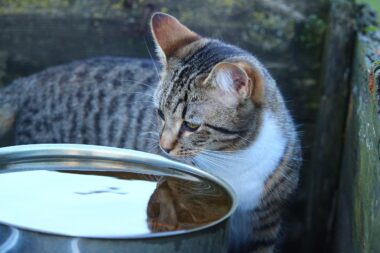
Each cat has unique hydration needs based on factors such as age, weight, and activity level. Young, active cats may require more fluids than older, less active felines. Additionally, environmental factors, like temperature and humidity, influence their water intake. For instance, during hot weather, cats tend to drink more, while in cooler climates, their consumption may decrease. An average cat typically drinks about 60 milliliters of water per kilogram of body weight daily. Monitoring your cat’s hydration is crucial; signs of dehydration include dry gums, lethargy, and decreased skin elasticity. Ensuring your cat has unconditional access to fresh water can mitigate these risks. If you notice your cat not drinking enough, consider the placement of water bowls. They should be located in quiet, accessible areas away from food bowls to attract your cat’s interest. Various options are available for providing water, including ceramic or stainless-steel bowls that can be sanitized easily. Improving hydration is a vital aspect of fostering overall well-being, which ultimately leads to a happier cat experience. As responsible pet owners, understanding their hydration behaviors is integral to maintaining optimal health throughout their lives.
In addition to maintaining physical health, hydration also has significant effects on a cat’s mental behavior. Cats that are dehydrated may experience increased irritability and lethargy. Stress levels in a cat can increase when they lack sufficient hydration, making them more susceptible to anxiety-related behaviors. Providing multiple water sources can help alleviate these stressors by giving cats a sense of security and control in their environment. For cats living in multi-pet households, access to water can be critical to prevent competition among pets. Furthermore, thorough hydration encourages playfulness and activity, reinforcing positive behavior patterns. Cats that are well-hydrated tend to be more alert and engaged in their surroundings, improving their social interactions with humans and fellow pets. Investing in cat hydration supports both mental and physical wellness, reducing behavioral issues stemming from anxiety or lethargy. Regularly check water sources and replace them with fresh, uncontaminated water. Offering a rotation of drinking vessels, including fountains and gravity-fed options, can keep the drinking experience enjoyable. Remember that cats are particular about their water and having alternatives allows them to self-regulate their intake, thus enhancing their overall happiness.
The Benefits of Wet Food
Incorporating wet food into a cat’s diet is one effective strategy for improving hydration levels. Unlike dry kibble, wet food contains a higher moisture content, which helps to supplement their daily water intake. Wet food often contains up to 80% or more moisture, depending on the brand and formulation. This can significantly benefit cats who are reluctant drinkers or show signs of mild dehydration. In addition to promoting hydration, wet food typically has enhanced palatability, appealing more to a cat’s specific taste preferences. Cats tend to find the aroma and texture of wet food enticing, leading them to consume more overall, coupled with their water. It is essential to balance wet food and dry kibble in your cat’s diet, ensuring they receive essential nutrients while also staying hydrated. Always consult your veterinarian before making substantial changes to your cat’s diet or hydration routine, as dietary requirements can differ. This balance promotes an overall healthier lifestyle, further enhancing the cat’s mental wellness. Prioritizing quality wet food options will encourage optimal health and happiness in your feline friend, making it a worthy consideration for all cat owners.
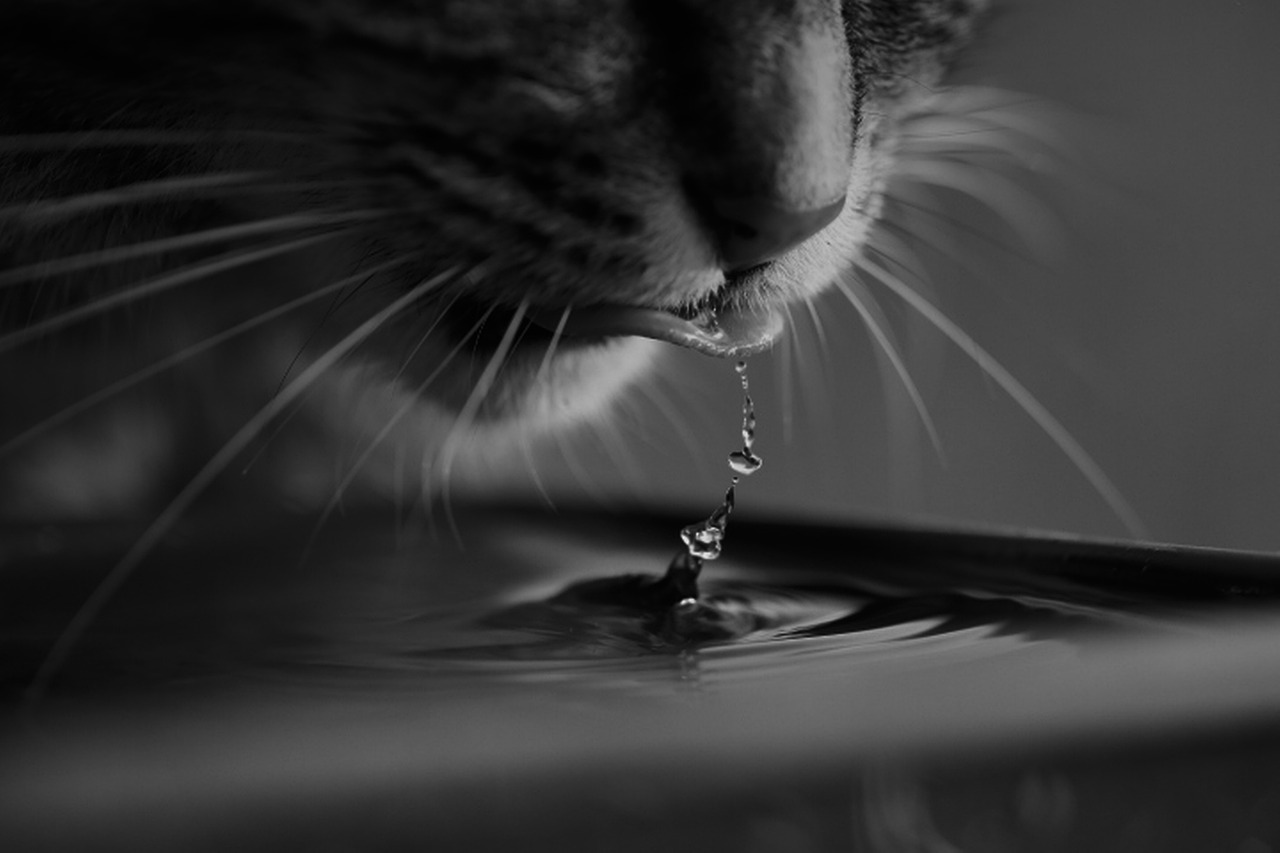
Creating a hydration-friendly environment is essential for the well-being of your feline companions. Cats thrive when they feel safe and secure in their surroundings. Ensuring their hydration needs are met will support this aspect of their lives. You can foster this environment by placing water bowls strategically throughout your home, particularly near their resting spots. Having free access to clean water at various locations encourages them to drink more throughout the day. As a bonus, consider using automatic water fountains to entice their curiosity. Cats are naturally attracted to moving water, so incorporating a fountain can draw them in and encourage hydration. Additionally, choose materials for water bowls that are easy to clean, such as stainless steel and ceramic, to avoid contamination and buildup of bacteria. Ensuring a consistent cleaning schedule can improve overall hygiene. Hydration should always be a priority for responsible pet owners, ensuring our furry friends live healthy, happy lives. Cats are hydration-sensitive creatures, and creating a well-thought-out hydration solution may promote a positive environment for both physical health and mental well-being. Observe and adapt to your cat’s preferences to enhance their living experience.
Behavioral Changes Linked to Hydration
Hydration levels can significantly influence a cat’s behavior and temperament, as it plays a crucial role in their health. When cats experience dehydration, they might exhibit lethargy, aggression, or avoidance behaviors. Keeping level-headed and emotionally stable playful a pet cat relies heavily on maintaining proper hydration. A decline in their emotional well-being can directly correlate with insufficient water intake. Identification of hydration issues can become even more prominent in older cats as they are often less inclined to drink water. Since mental health is a vital aspect of a cat’s overall well-being, observing these behavioral changes can provide essential insights. Owners should remain attentive to their cat’s water consumption and make adjustments accordingly. Understanding these connections allows for proactive steps to enhance their mental health. Addressing hydration deficiencies will improve mood, playfulness, and socialization, leading to a healthier and more balanced lifestyle. As hydration improves, the incidence of undesirable behaviors will likely decrease. Providing plenty of fresh water throughout the day is essential for fostering emotional intelligence and mental health in your feline friend, leading to a happier and healthier home.
In conclusion, ensuring your cat has ready access to clean and adequate hydration is integral to maintaining their physical and mental health. While it may seem simple, the act of providing fresh water can create a ripple effect in improving overall well-being. A well-hydrated cat is typically more active, playful, and emotionally stable. Consider the various ways to keep your cat hydrated and integrate wet food, water fountains, and multiple drinking locations within your home. Monitor their drinking habits and observe any behavioral changes, making adjustments as necessary. As pet owners, understanding the connection between hydration and a cat’s mental health can ultimately lead to enhanced quality of life for our beloved companions. The mental health of our feline friends is directly related to their hydration levels. A healthy, hydrated cat will likely have a vibrant lifestyle, displaying engaging behaviors and healthy interactions. Prioritize their hydration needs as part of responsible pet care; it significantly contributes to their happiness and longevity. Keeping our pets hydrated should never be underestimated, as it is a cornerstone of ensuring their mental well-being and elevating the quality of their lives.