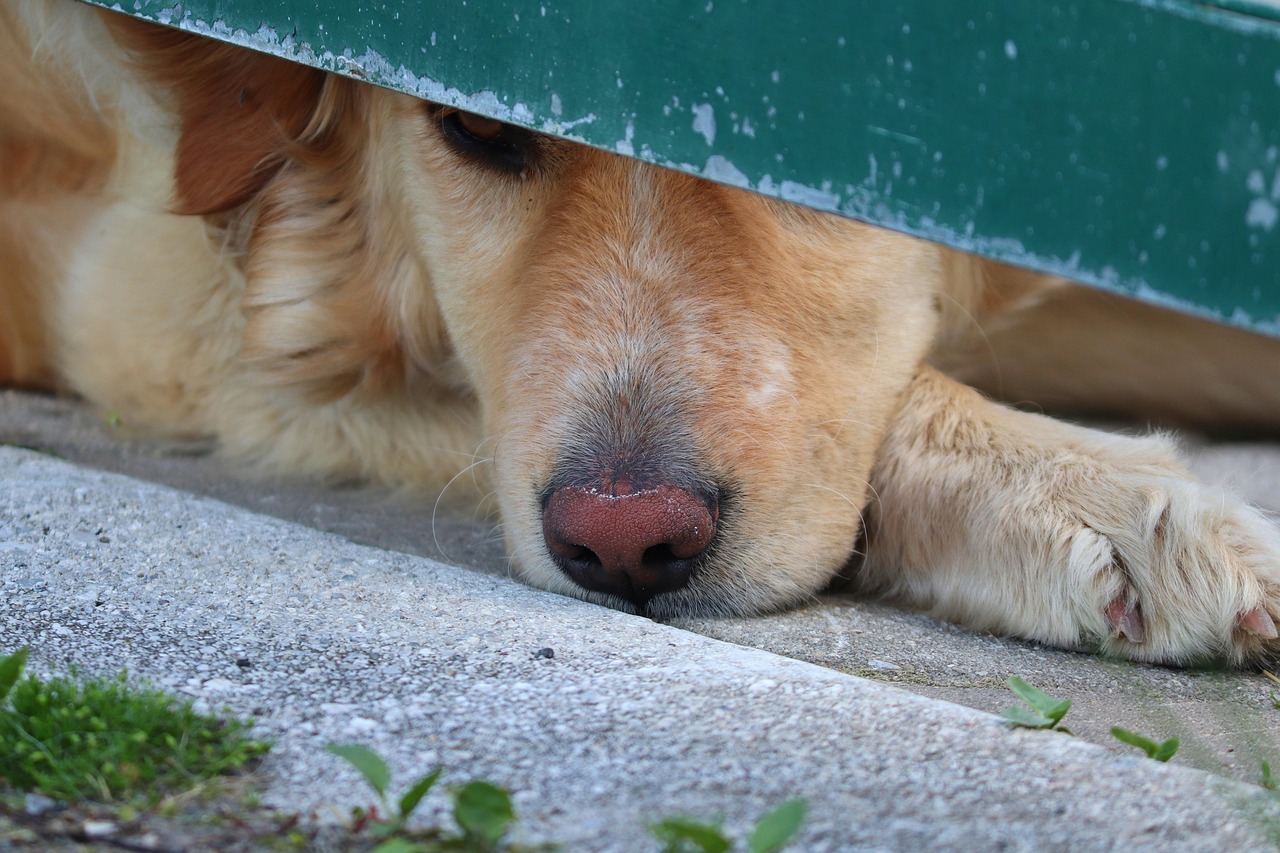

Calming Signals: How Dogs Use Their Faces to De-escalate Conflict
Dogs are remarkable creatures capable of expressing their feelings through facial movements. These expressions serve as calming signals, crucial for de-escalating potential conflicts among canine companions. Understanding how a dog’s facial expressions function is essential for pet owners to interpret their pets better. Some common signals you might observe include soft eyes, relaxed mouths, and even slight changes in a dog’s posture. When dogs encounter one another, they often use these signals to convey their intentions, aiming to foster peace rather than aggression. Owners who can recognize and interpret these signals contribute significantly to a harmonious environment for their pets and all animals involved. This observational skill helps owners manage situations where their dogs meet other dogs or even people. Moreover, interpreting calming signals can improve communication between owners and their pets. It enhances the bond and trust that forms during interactions. Therefore, understanding dog facial expressions not only aids in preventing conflicts but also enriches the overall experience of dog ownership. A happy and relaxed dog will often respond positively to their human companions, fostering a joyful environment.
Many dog owners may not realize that dogs rely heavily on their faces to communicate emotions. For instance, a dog with raised eyebrows might be indicating curiosity, while a relaxed mouth and soft eyes could signal contentment. Additionally, facial expressions can change based on the context of their environment. In stressful situations, a dog’s face may tighten, with flicking tongue movements or grimaces signaling discomfort or fear. This is significant because acknowledging a dog’s feelings can greatly alter how situations unfold. Suppose a dog exhibits these expressions during a meeting with another dog; recognizing them allows for proactive management of the situation. Owners should observe their pets and consider the context when interpreting signs. Facial expressions are only a piece of the puzzle; they often accompany body language, which provides a fuller picture of the dog’s emotional state. Enhanced understanding promotes better interaction dynamics among pets and their owners. Owners can employ positive reinforcement when calm behaviors are displayed, encouraging dogs to continue using these signals. With patience and practice, reading these expressions becomes second nature, benefiting both the dog and the owners in numerous ways.
The Importance of Context in Dog Expressions
While canine facial expressions provide vital information, the context plays a significant role in their interpretation. For example, a dog’s behavior during play differs vastly from its demeanor when feeling threatened. During playtime, relaxed faces, playful barks, and wagging tails indicate happiness and engagement. However, the same face can shift drastically when a dog feels insecure. Raised hackles or avoidance behaviors may accompany a tightened jaw in a stressful situation. Owners must learn to read these signals in conjunction with the environment. Pay attention to noises, other animals, and the dog’s relationships with other pets. Sometimes, an unfamiliar environment can trigger anxiety, evident in facial changes signaling distress or discomfort. Each individual dog is unique; their past experiences greatly shape their responses to similar situations. Observing and mapping your dog’s reactions can lead to valuable insights over time. Combining learned expressions with the surrounding context permits accurate evaluations of their mood. Owners can support their dogs in unfamiliar situations by consistently observing and modifying their responses. This approach aids in ensuring dogs feel secure, leading to improved behavior and fewer incidents of conflict.
One fascinating aspect of dog behavior is their ability to mimic human emotions. Research reveals that dogs are trained to recognize our facial expressions, which can also guide their own responses. When a human smiles, a dog often reflects that joy through similar soft facial cues. Conversely, if a human appears anxious, the dog may reciprocate that anxiety by showing stiff postures or closed mouths. This mutual emotional feedback underscores a deep connection between humans and dogs. As they share spaces, they have learned to adopt and adapt to their humans’ faces. Training can reinforce this behavior further, leading to smiles all around. Observing and understanding this harmony can help owners foster an inviting atmosphere for their dogs. Furthermore, by reacting positively to comforting signals, they reinforce the use of calming expressions. These activities allow for enhanced companionship, creating a bond of empathy and trust. Notably, a dog that feels secure in its home is more likely to use positive facial expressions and behaviors. Such interactions ultimately build a healthy, engaging environment that promotes emotional welfare for everyone in the household, especially the dogs.
Training Techniques to Enhance Understanding
To cultivate an understanding of dog facial expressions, employing specific training techniques is indispensable. One effective method involves observing your dog in various situations, noting their reaction to different stimuli. Keeping a journal of their behaviors can assist in correlating facial expressions with their or your emotions. Training sessions can incorporate these patterns by rewarding your dog for utilizing calming signals effectively. For instance, if your dog uses a low posture or soft eyes when meeting another dog, offering a treat can reinforce this behavior. Moreover, introducing socialization opportunities with other dogs allows for real-time observations of facial expressions. Observing how dogs react in these environments aids in understanding their signals. Regular social interactions help dogs develop their communication skills, making them more aware of their expressions. Additionally, educating oneself about dog body language can deepen one’s connection with their pet. Resources, such as training classes or workshops, can prove invaluable. They provide the chance to learn directly from experts about recognizing these signs and improving communication with your dog. Importantly, social dogs thrive in environments where they feel secure, resulting in more positive expressions displayed daily.
To further promote positive interactions among dogs, owners may consider engaging in group training classes where dogs can learn valuable social skills. These classes foster a communal environment, helping dogs acclimate to diverse situations while learning to recognize and respond to calming signals from their peers. Observing how other dogs communicate can provide important insights for owners. Such environments boost confidence in less socialized dogs and offer opportunities for dogs to express themselves positively. During these classes, trainers often incorporate exercises that enhance a dog’s understanding of emotional cues from human companions and fellow canines. Incorporating fun activities into their training routine encourages effective communication using facial expressions. Owners should engage with dogs during these classes, ensuring consistent reinforcement of signals through positive feedback. Over time, both dogs and their humans can learn more about functioning effectively in various environments. These classes create valuable experiences that can lead to lifelong learning and a more harmonious household. As owners witness the development of facial expressions and calming signals, they promote healthier relationships between dogs and humans, fostering joy in the process.
Conclusion and the Path Forward
Understanding dog facial expressions is a continuous learning journey. As owners become more aware of these calming signals, the path moves towards improved relationships between dogs and their humans. Active observation and consistent positive reinforcement play vital roles in this growth process. Enhanced understanding leads to better communication, which will undoubtedly reduce occurrences of conflict among pets and between pets and people. By creating an environment that rewards positive expressions, owners set the foundation for a happy and secure atmosphere at home. Training, socialization, and practice help dogs feel accepted as they navigate through life with their human companions. Owners who prioritize understanding their dog’s emotional states contribute positively to their pet’s wellbeing. This effort enriches the experiences of both owners and pets, resulting in joyful lives together. Future interactions involve embracing these calming signals as indicators of emotional needs. Exploring canine behavior through observation, understanding, and practice leads to greater happiness for everyone involved. Dogs are not just pets but emotional companions, and recognizing their nuanced communication enhances daily life in unique and fulfilling ways. This mutual understanding will continue to pave the way for a loving relationship.
In summary, the study of dog facial expressions offers valuable insights into their emotional world. This understanding contributes significantly to reducing conflicts and cultivating harmonious relationships. Whether through training or simple observation, recognizing these calming signals is a skill that greatly benefits both dogs and owners alike. As partners in this mutual journey, fostering empathy between dogs and humans unlocks new dimensions in companionship. Engaging with dogs as sentient beings deepens the bond, facilitating a relationship built on trust and understanding. Therefore, it is essential to encourage this peaceful communication through consistent training practices and socialization. With each positive interaction, dogs learn to express themselves better, continually enhancing their social skills and emotional wellbeing. Owners are encouraged to embrace the journey of observing and understanding their dogs. This process ultimately leads to an enriched experience of companionship, filled with moments of joy and tranquility. Cultivating this awareness is rewarding and transformative, highlighting the importance of dogs as emotional companions. Continuous efforts to promote calming signals pave the way for a future filled with love and understanding, paving the path to deeper connections with our canine friends.