
How to Choose Dog Toys That Suit Your Dog’s Personality
Choosing dog toys that align with your pet’s personality is essential for their mental and physical stimulation. Observing your dog’s behavior can provide clues about what types of toys may be best suited for them. For instance, an active dog may prefer toys that encourage physical play, such as frisbees and ropes. Conversely, a more timid or less energetic dog might enjoy soft plush toys or puzzle feeders. It is essential to consider various factors—personalities, play styles, and preferences—to select the right toy. Another critical aspect to consider is the material of the toy. Hard rubber toys are durable and great for chewing, while softer toys may not withstand aggressive chewers. Additionally, ensuring the size of the toy is appropriate is vital. Toys that are too small might pose a choking hazard, while oversized toys may be difficult for smaller breeds to interact with. Lastly, consider the safety of the materials used in manufacturing the toys. Always check for any harmful chemicals that could affect your dog’s health. Learning about these aspects can help make informed choices.
The Importance of Matching Toys with Personality
Understanding your dog’s personality is crucial when selecting toys that keep them engaged and happy. Every dog has unique characteristics, preferences, and playfulness levels, which will influence their interest in various toys. For example, some dogs may love engaging their owners in games, while others may prefer solo interactive toys. Identifying your dog’s individual personality traits can lead to significant discoveries about their interests in specific toys. If your dog exhibits high energy and enjoys fetch, consider investing in durable balls or flying discs. For less active dogs, toys that promote mental stimulation, such as interactive puzzles, can be beneficial. You may also find that your dog has a favorite type of play, whether it’s chewing, fetching, or tugging. Recognizing these preferences will promote a rewarding playtime experience. Along the way, don’t forget to pay attention to their response to different toys—they will communicate their preferences through excitement or indifference. This ongoing assessment allows you to adapt your choices as your dog’s personality can change with age, providing an enriching selection of toys that suits them best.
Another important factor in choosing dog toys that suit your dog’s personality is the level of safety associated with each type. When purchasing toys, prioritize products specifically designed for dogs. Check the labels and ensure they are free from harmful chemicals, as these can pose serious health risks. Avoid toys with small parts that can break off and become choking hazards. Likewise, assess the durability of the toys you choose; some materials are more resistant to aggressive chewers than others. A good rule of thumb is to look for toys that are labeled as ‘chew-resistant’ or ‘heavy-duty’. In addition, monitor your dog’s interaction with the toys, especially if they tend to destroy toys quickly. Regularly inspect the toys for any signs of wear and tear, replacing them immediately if they become damaged. Selecting the best dog toys is integral to ensuring your pet’s safety and enjoyment, allowing them to have fun while minimizing potential risks. It’s essential to not overlook the importance of combining fun, safety, and engagement in the toys you choose. By doing so, you will foster a healthy, playful environment for your beloved pet.
Types of Dog Toys to Consider
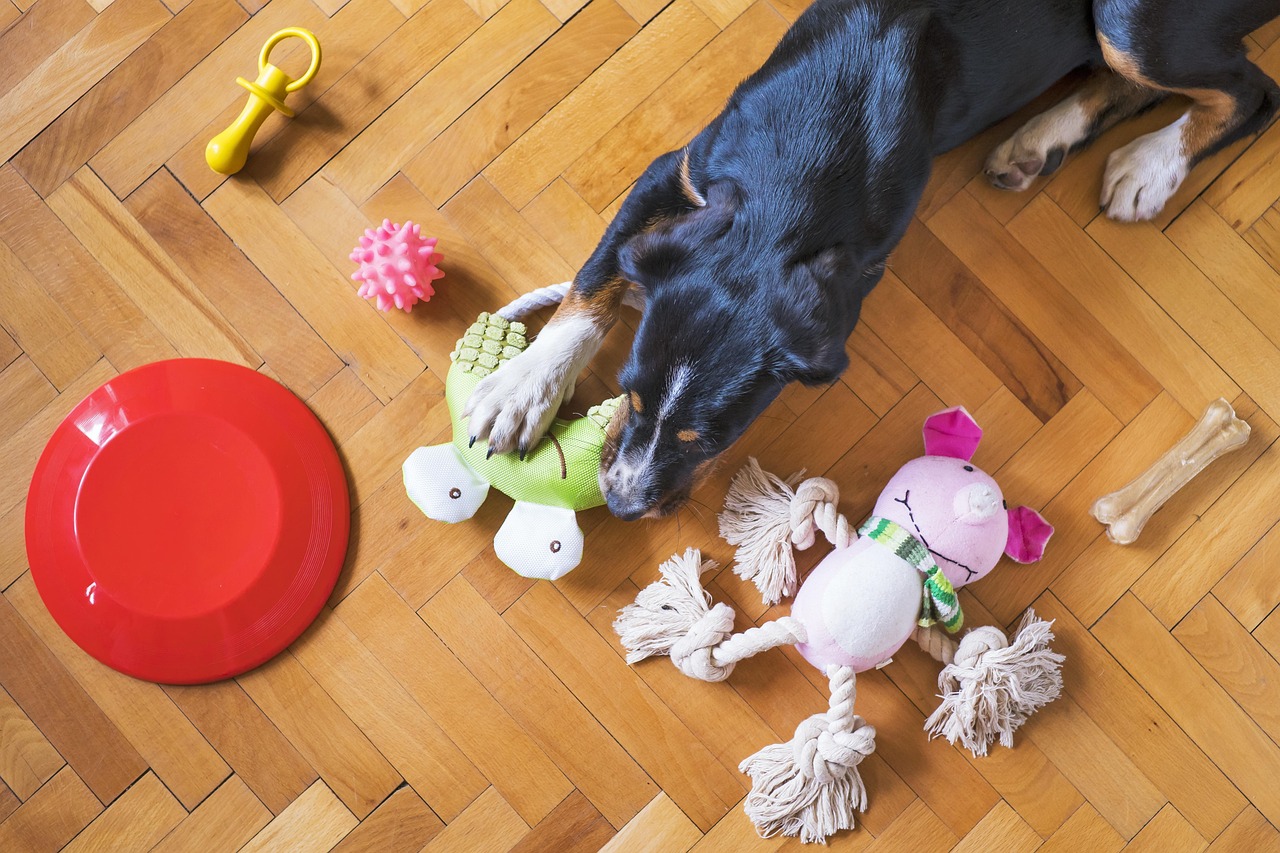
When selecting toys for your dog, it’s essential to account for the variety of options available, as each type can fulfill different needs and interests. Some popular toy categories include chew toys, fetch toys, interactive toys, and comfort toys. Chew toys made from durable rubber or nylon can satisfy your dog’s natural urge to chew while providing oral health benefits. Fetch toys such as balls, frisbees, and sticks encourage physical activity and bonding experiences during playtime. Interactive toys are designed to stimulate your dog’s mind, often requiring problem-solving to retrieve treats or toys hidden within them. Finally, comfort toys offer a sense of security and companionship, especially useful for anxious dogs. In addition to considering types, always ensure that the toys are suitable for your dog’s size and strength to maximize enjoyment and minimize risks. Moreover, introducing a variety of toys can keep your dog engaged and prevent boredom, which may lead to destructive behavior. By exploring different types, you can cater to their specific play preferences, ensuring they remain happy and stimulated in their environment.
Caring for your dog’s toys is just as crucial as selecting the right ones. Regular cleaning and proper maintenance can extend the lifespan of dog toys, ensuring they remain safe and enjoyable. Use mild soap and water to clean most rubber or hard plastic toys, and allow them to dry thoroughly before giving them back to your pup. For plush toys, some can be machine washed, while others may need hand washing to preserve their integrity. Additionally, keep an eye out for any signs of damage, such as frayed edges or loose seams, and discard any toy that poses a risk to your dog’s safety. It’s also a good idea to rotate their toys every few weeks to keep their interest alive; this method enhances engagement by presenting them with ‘new’ items to explore. Storing toys properly is essential to maintain cleanliness and organization; consider setting up a dedicated box or area for your dog’s toys. An organized approach can make it easier for both you and your dog, creating a more inviting play space within your home.
Understanding Your Dog’s Play Style
Understanding your dog’s play style is essential for enhancing their overall experience with toys. Different dogs have unique preferences when it comes to how they play. Some dogs enjoy chasing and fetching, while others might prefer tug-of-war or solitary play with puzzle toys. By observing their tendencies, you can narrow down the types of toys that will engage them the most. If your dog actively seeks out interactive play, try incorporating toys that allow them to engage with you, like balls or fetch toys. However, if they show a disinterest in such activities, they may benefit from quieter toys that promote mental engagement, offering comfort or solving challenges. Additionally, it’s worth noting that certain breeds may inherently have different play styles. Working breeds might prefer interactive toys that mimic their natural instincts, while companion breeds may favor softer comfort toys. To better cater to these variations, tailor your toy selection to align with your dog’s energy levels and preferences while prioritizing their personal enjoyment. Keeping their specific play style in mind enhances the overall play experience and creates the bond that you share.
Finally, always consider your budget regarding dog toys. While there are countless options available, high-quality toys may come with a higher price tag. However, investing in durable and safe toys will ultimately save you money in the long run, as they are less likely to require frequent replacements. If you have multiple dogs or an active pup prone to destruction, purchasing higher quality toys becomes even more important. Additionally, purchasing a variety of toys can also ensure the longevity of playtime while keeping your dog engaged. In fact, it is often more cost-effective to buy toys in bulk or during sales events, allowing you to take advantage of promotions and discounts for top-quality items. Look out for local pet supply stores or online retailers that specifically offer sales on pet products. Mindful shopping can help you obtain sufficient selections without breaking the bank. Ultimately, prioritize your dog’s happiness and health by spending wisely on toys that cater to their needs while ensuring they remain safe and entertained.