
How Weather Changes Affect Your Dog’s Vitamin Needs
The changing seasons can significantly impact your dog’s health, particularly their vitamin needs. As pet owners, we must recognize that like humans, dogs require different nutrients throughout the year. In the fall and winter months, your dog may need more vitamins to support their immune system as well as promote a healthy coat to shield against the cold. Constantly monitoring your dog’s dietary intake becomes essential during these transitions. For example, dogs often require additional Vitamin C during colder months. This vitamin can be found in fruits like oranges or in specific supplements. Understanding these fluctuations in dietary needs ensures that your furry friend remains healthy and active. You might want to consult with a veterinary professional regarding the ideal vitamin intake for your dog according to the season. Additionally, maintaining a balanced diet with high-quality dog food can provide essential nutrients. The role of outdoor activity during various weather conditions also influences vitamin requirements. Incorporating seasonal vegetables in their diet can be beneficial, ensuring they receive adequate nutrition for their specific needs.
With the arrival of spring comes a change in environmental factors that can affect your dog’s health. As the weather warms, the risk of certain deficiencies increases if their diet is not monitored carefully. Vitamin D, for example, helps maintain healthy bones and teeth and assists with calcium absorption. Active dogs that spend more time outdoors may need additional Vitamin D when exposed to sunlight. However, the increase in allergens during this season may necessitate different vitamin supplements. It’s vital to observe your dog for any allergic reactions, as this can affect their overall well-being. Probiotics and vitamins that strengthen the immune system can also be of great help during such times. Ensuring your dog receives the necessary vitamins can help mitigate any potential problems. You may also want to explore adding omega fatty acids to their diet, which can improve skin and coat health. As temperatures rise, hydration becomes equally important, so always have fresh water available. This is crucial for proper digestion and nutrient absorption, especially when your dog becomes more active.
Summer Season Considerations
During the summer season, dogs can experience dehydration and overheating, making vitamins even more critical. The need for hydration compounds, and electrolytes become essential to replenish what is lost through sweat. In this case, B vitamins, particularly B12, may support energy levels during hot weather. You can find these vitamins through specialized dog foods or supplements designed for active breeds. Always ensure you maintain a balanced meal plan that meets their nutritional needs throughout the summer. High temperatures can also significantly affect your dog’s metabolism, causing changes in energy requirements. Adjusting portion sizes can help keep your dog healthy during this season. Consider incorporating fruits and vegetables that provide hydration and essential vitamins. Foods like watermelon and cucumber not only aid hydration but also offer vitamins and minerals needed to keep your dog healthy. Consult with your veterinarian for tailored advice on incorporating seasonal fruits into their menu. Finally, be cautious about exposing your dog to excessive heat. Ensure that they have access to shade and hydration to prevent heat exhaustion.
As summer transitions into autumn, changes in temperature and humidity levels can continue to affect your dog’s nutrient needs. The shedding of fur occurs as dogs prepare for colder weather, leading to changes in their vitamin requirements. Omega fatty acids can be particularly beneficial during this period, supporting skin health and a shiny coat amidst shedding. You may notice dryness in your dog’s skin, which indicates a potential deficiency in essential fatty acids. Seek dog foods enriched with these nutrients or consider supplements based on your dog’s specific needs. Antioxidants are also helpful at this time, bolstering your dog’s immune system in preparation for the colder months. Common fruits and vegetables can serve as healthy treats while providing necessary vitamins. A variety of foods can help ease any transitions that come with the change in seasons. Regular vet check-ups should assess if your dog requires any supplements based on their health and activity levels. This awareness can help ensure that your furry friend enjoys good health and vitality as the seasons change.
Monitoring Seasonal Health
As a responsible pet owner, being vigilant about your dog’s health through seasonal changes is essential. The effects of weather variations on your dog’s vitamin needs should not be overlooked, and regular monitoring can make a substantial difference. Observing changes in your dog’s energy levels, coat, and overall appearance can highlight any deficiencies. If you notice behavioral changes, consider adjustments in their diet or increased vitamin supplementation. Outdoor activity also waxes and wanes with the seasons, influencing their energy expenditure and nutritional needs. Certain breeds may be more susceptible to vitamin deficiencies, making it crucial to tailor their diet accordingly. Furthermore, consult your veterinarian for guidance on adjusting vitamin intake related to health issues or seasonal allergies. Pay attention to signs of discomfort or lethargy, as these can signify a need for dietary changes. Keeping a journal to track dietary habits and the weather can help you identify patterns and make informed decisions. This approach helps maintain your dog’s health and adjust to changing nutritional demands over time.
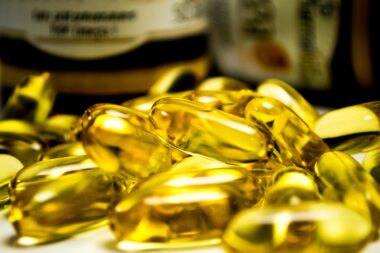
Ultimately, ensuring that your dog receives the appropriate vitamins to match the seasonal needs is key to promoting their overall well-being. After all, just like humans, dogs thrive on a balanced diet tailored to their ever-evolving needs. Researching and understanding the specific vitamins required for various weather conditions can empower you as a dog owner. Taking proactive measures in your dog’s dietary management can produce visible benefits in their health and vitality. Always aim for a mix of high-quality dog food, seasonal fruits, and veterinary-approved supplements to create a well-rounded diet. Explore options like giving your dog fish oil for omega-3 fatty acids, which can bolster both skin and joint health. Staying educated about dietary needs associated with different weather changes can provide the tools needed to optimize your dog’s nutrition. Sourcing reliable information through credible sources and professionals ensures that you are making the best decisions for your companion’s health. Adequate vitamin intake can lead to fewer health issues and a longer life for your canine friend.
Conclusion
In conclusion, recognizing the relationship between weather changes and your dog’s vitamin requirements is a vital aspect of responsible pet ownership. Factors such as temperature fluctuations, increased allergens, and activity levels each play a role in determining the vitamins your dog needs. By staying attentive to these aspects, you can ensure that your dog receives the proper nutrition to thrive through all seasons. Consulting your veterinarian for tailored recommendations on vitamin intake will be essential in addressing your dog’s specific health concerns. Furthermore, being proactive about seasonal challenges can help mitigate health issues before they arise. Adjusting their diet to include necessary vitamins and monitoring their overall health can lead to long-term benefits. Building a routine that includes regular vet visits will help keep your dog healthy while ensuring their dietary needs are met. Engaging in open dialogues with pet care professionals can provide more insights into specific seasonal health requirements. Ultimately, providing the right vitamins and nutrients could support a better quality of life for your dog, ensuring they thrive regardless of the weather.
By staying informed and adapting to seasonal changes, you solidify your role as a caring and responsible pet owner. Your dog deserves it, and the mutual bond will continue to flourish when its needs are met.