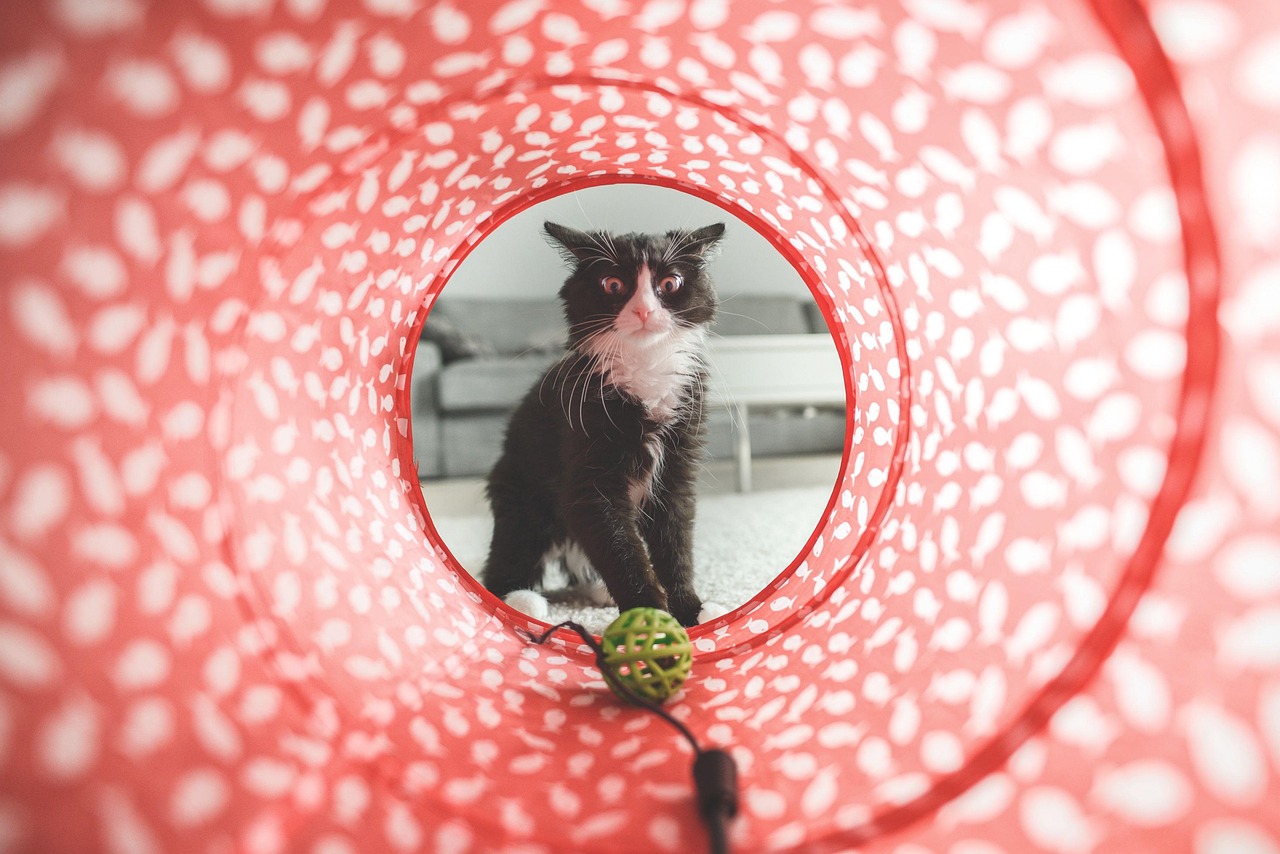

Safe Toys for Cats When Playing with Young Children
Ensuring a harmonious relationship between cats and children involves selecting the right toys that not only entertain but also keep everyone safe. When introducing toys for playtime, focus on those specifically designed for feline interaction, as well as incorporating elements suitable for children. Choose toys that are soft, light, and devoid of small parts that could pose a choking hazard. A good option is soft stuffed toys that children can gently throw or toss without risk. Additionally, consider interactive toys that involve both cats and children, such as feather wands or laser pointers. Always supervise playtime modifications to safeguard both parties, constantly observing their interactions. It’s also essential to teach children the appropriate way to handle toys, interacting respectfully and avoiding pulling on cats’ tails or ears. For instance, encourage them to allow the cat to come to them for engagement instead of forcing interaction. Sharing this responsibility nurtures empathy in children while creating an environment of trust and safety, setting the stage for a healthy bond between kids and cats. Remember, a calm atmosphere helps maintain balanced interactions, reducing potential stress for both cats and kids.
Fun, engaging, and safe toy options for children to use with cats include various types of balls and plush toys that avoid harmful materials. Select colorful balls made of soft, lightweight material that encourage gentle rolling and chasing without causing injury. Opt for plush mice or similar shapes that not only attract the cat’s interest but are safe for children to handle. Always ensure that the functools are non-toxic and free of any choking hazards, like small parts or loose threads. Introducing toys with varying textures can keep both cats and children entertained. Puzzle toys also present an excellent option since they stimulate the cat’s mind without overwhelming them. Younger children will enjoy trying to get the cats engaged in the puzzles. Use supervised playtime to help children understand limits and proper toy use, ensuring they appreciate the significance of safety in their interactions with cats. While teaching, use encouraging language to reinforce positive behaviors during play. Additionally, paying attention to the cat’s body language allows for better communication and understanding between the two, fostering a safe and enjoyable atmosphere for everyone involved.
Choosing the Right Interactive Toys
Interactive toys can help maintain a dynamic play environment while ensuring safety for both cats and children. These types of toys can range from simple wand toys to more complex games that involve both the cat and child actively participating. Wand toys, for example, are excellent for providing exercise for cats while allowing children to maintain a safe distance. They come with feathers, ribbons, or other fun attachments that capture the cat’s attention. Children should be instructed to wave the wand slowly and calmly, allowing the cat to leap and chase without any risk of harm. Moreover, it’s essential to establish ground rules for how long and when to play with interactive toys, preventing overstimulation. Introducing a routine or schedule can help children learn to play in moderation with their feline companions. Additionally, engage children in making toys, such as simple DIY crafts, that can enhance bonding time. This practice encourages creativity while ensuring the safety of the materials used. Remember, quality supervised play fosters trust between children and cats, paving the way for a nurturing friendship.
In addition to interactive toys, puzzle toys can significantly enhance the safety and enjoyment of playtime between children and cats. These toys challenge the cat’s intelligence and keep them occupied while fostering curiosity during each play session. Many puzzle toys highlight treats or hidden surprises that encourage cats to engage with the toy thoughtfully. Introduce puzzle toys at an early age to help children learn the importance of patience and observation while ensuring playtime remains interactive and engaging. Children can work alongside their cats, encouraging them to nudge or paw at the toy to find hidden treats. While doing so, children acknowledge their cats’ thought processes and reactions, fostering respect for their furry friends. Make sure to supervise puzzle time closely, ensuring the safety of both children and cats during engagement. It’s also a great opportunity to teach children the importance of considering their pets’ preferences. For example, helping children understand that not all cats enjoy the same safety subscription fosters compassion in their relationships. Remember, safe play should always prioritize the interests of both parties for a joyful interaction.
Understanding Materials for Safety
Selecting cat toys safe for children requires a thorough examination of materials used in their construction. When shopping for toys, aim for options made from non-toxic, child-safe materials that ensure everyone’s safety. Common materials like rubber, soft fabrics, or untreated wood are preferable due to their durability and ease of cleaning. Additionally, avoid toys with small parts, such as sequins or bells, which can present choking hazards. Ensure that toys are machine washable whenever possible, enabling continual maintenance of hygiene as both cats and children play. It’s crucial to inspect toys regularly for wear and tear, as damaged toys can pose risks to both cats and children. Involve your children in the inspection process, teaching them how to identify potential hazards while promoting ease of responsibility in caring for their pets. Furthermore, demonstrate how to store toys in a designated area to avoid clutter while promoting a sense of safety and organization. Always consider the weight of toys, ensuring they are light enough for children to handle safely without causing accidents during playful interactions.
Safe play should always include a balance of guided and spontaneous interactions between children and their cats. While toys play a crucial role, ensuring the environment is conducive to both parties remains essential. Create a secure play area free from obstacles and potential dangers. Designate a safe zone where cats can retreat if they feel overwhelmed during playtime. This principle not only helps cats feel more secure but also teaches children the importance of respecting animals’ boundaries. Encourage children to observe and understand their cats’ cues during playtime, allowing cats to set their pace throughout the interaction. For instance, it’s essential to let the cat dictate how long a particular play session will last, fostering trust between the two. Teach children to look out for signs of overstimulation, such as a tail twitch or ear flattening about how the cat may be feeling. It will encourage children to continuously adjust their behaviors based on the cat’s needs, further nurturing their bond. Nonetheless, engaging in play without pressure enhances every interaction standard for safe fun between children and their furry friends.
Final Thoughts on Playtime Safety
Ultimately, ensuring safe play between children and cats hinges on choosing the right toys while encouraging responsible interaction. By selecting engaging, safe toys built from appropriate materials, children can enjoy fulfilling play sessions alongside their feline companions. Additionally, foster empathy and respect for pets through enriching experiences with guided supervision during play. The key to success is striking a balance between allowing playful curiosity and upholding safety measures. Establish and reinforce rules surrounding interaction time, behavior, and shared responsibility between children and cats for a vibrant play atmosphere. Use educational opportunities about recognizing the cats’ moods and preferences to educate children and shape their interactions. It’s also a great idea to involve children in pet care tasks, teaching them the proper ways to interact with cats while maintaining a bond characterized by love. Remember, a safe environment fosters the development of lasting friendships, creating cherished memories throughout their growing years. With attention to detail and careful implementation of strategies, both children and cats can enjoy playful moments that nurture their connection for many years ahead.
Gathering Equipment for Playtime
To increase safety when children play with cats, ensure you have the right equipment readily available. Before starting playtime, consider aspects such as designating safe spaces and proper toy selection. Gathering ample interactive cat toys, including feather wands and plush items, encourages positive interactions. Furthermore, invest in storage solutions that allow easy access while keeping toys organized and protected, ensuring a tidy space conducive to enjoyable play. Before initiating playtime, establish ground rules for both children and cats, ensuring everyone understands their roles and responsibilities. Reinforcing the importance of gentle handling and mutual respect contributes to positive outcomes. After play sessions, engage children in the cleanup process to support the maintenance of a clean space, teaching valuable lessons about responsibility. Regularly inspecting and sanitizing toys is also essential for pet health while maximizing safety during playtime. As your children help with storage and management, their appreciation for their cat’s well-being will grow, fostering a strong yet safe connection between them. By creating an enriching environment, implementing best practices, and maintaining a focus on safety, you’ll cultivate an atmosphere where both cats and children can flourish through play.