
Signs of Dehydration in Dogs and How to Prevent It
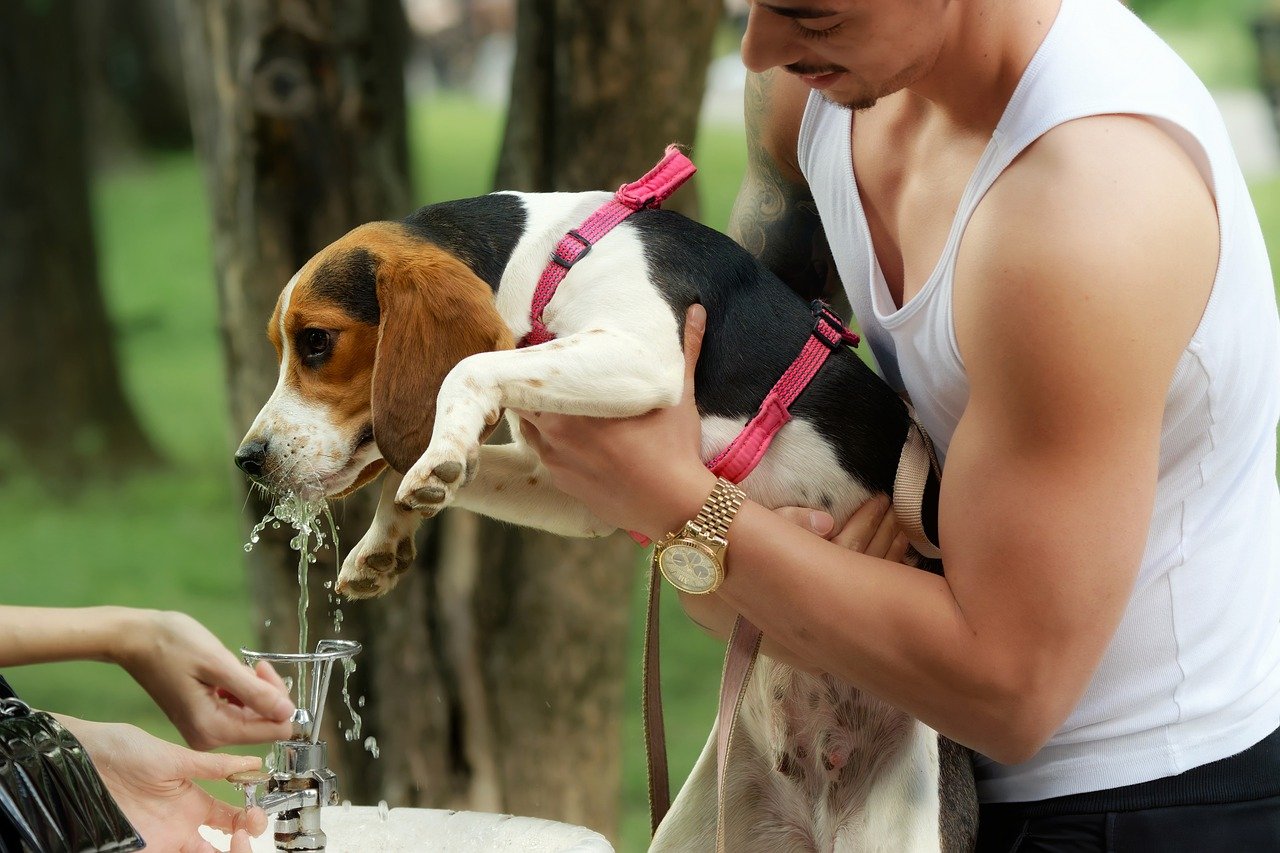
Hydration plays a crucial role in a dog’s overall health and well-being. Dehydration can lead to serious health problems in dogs if not addressed promptly. Recognizing the signs of dehydration early is essential for pet owners. Common signs include dry gums, excessive panting, and lethargy. Another indicator can be skin tests, where the skin loses its elasticity. If dehydrated, the skin will remain elevated instead of snapping back. Additionally, monitor your dog’s water intake. A healthy dog typically drinks a certain amount of water daily, depending on size and activity. Changes in drinking habits can signal dehydration. Dogs may drink less due to illness or discomfort. Regularly check to ensure that your dog has access to fresh, clean water at all times. Providing water is especially critical after exercise or during hot weather. Some dogs may prefer moving water, making pet water fountains a good option to encourage drinking. If you notice any signs of dehydration, consult your veterinarian immediately. Hydration should always be prioritized to prevent dehydration and maintain your dog’s health.
Just like humans, dogs require adequate hydration to support their bodily functions. Water aids digestion, nutrient absorption, and temperature regulation. In extreme cases, dehydration can lead to organ failure. To prevent dehydration, ensure consistent water access. Depending on your dog’s diet, they may also require more water. Dry kibble can require additional hydration compared to a wet food diet. Heavy exercise, particularly on hot days, can also increase a dog’s water needs significantly. After vigorous activity, dogs should be encouraged to drink water gradually. Overly eager drinking can lead to stomach issues. Watch your dog closely during these times to ensure they stay hydrated. Of course, you should offer water frequently and in small amounts. Understanding your dog’s habits and individual needs is crucial. Every dog is different; thus, their water consumption can fluctuate depending on size and activity level. To effectively monitor hydration, pay attention to your dog’s overall behavior. If they seem unusually tired or show any signs of distress, provide access to water immediately. If problems persist, immediate veterinary advice should be sought for your dog.
Preventing Dehydration in Dogs
One effective way to ensure your dog stays hydrated is to keep water bowls full and fresh. Changing water frequently encourages dogs to drink more. Moreover, the water bowl must be easy to access and clean. Consider using non-slip feeding mats to prevent spills that can result in your dog being unable to reach their water. During hot summer days, be aware that your dog may require additional water intake to compensate for lost fluids through increased sweating and panting. You might also want to consider offering ice cubes as a fun treat. Some dogs enjoy chewing on ice cubes, and it can serve as a way to hydrate while keeping them entertained. Additionally, providing access to shaded areas during outdoor play reduces overheating risks. Another option for hydration is offering specially formulated dog-friendly drinks or electrolyte solutions designed for canine consumption. Monitor how often and how much your dog drinks, and keep an eye on any sudden changes in their behavior. If you are uncertain about your dog’s hydration status, always consult a veterinarian. Early intervention is key to avoiding severe dehydration-related health issues.
Another crucial aspect of ensuring your dog remains hydrated is regular checkups with your veterinarian. Health conditions such as kidney disease or diabetes can greatly influence a dog’s hydration needs. A proactive approach will allow early detection of potential issues that may affect their water intake. Always provide essential nutrients in addition to water for overall health improvement. Keeping up with vaccinations and maintaining a healthy diet helps to reduce the risk of conditions leading to dehydration. Never underestimate the importance of high-quality dog food that promotes hydration naturally while ensuring proper digestion. Avoid sudden dietary changes, as they can cause stomach upsets, affecting overall hydration levels. Additionally, keep an eye on your dog’s behavior relative to their environment. Seasonal changes can impact how much water your dog drinks. Be particularly vigilant during warmer weather when dogs tend to drink more. During colder months, some dogs might become less interested in drinking water. Therefore, ensuring they continue to hydrate is essential year-round. Consider adding water to dry food as another method of ensuring they receive adequate hydration while at the same time providing nutrition.
Recognizing the Signs of Dehydration
It’s vital to recognize dehydration signs to act quickly. Visual cues can manifest in various manners. Aside from dry gums and lethargy, watch out for a lack of energy or playfulness. Dogs are typically enthusiastic; therefore, any sudden behavioral changes should not be ignored. If you notice that your dog seems less spirited than usual, it may indicate dehydration. Pay attention to their breathing patterns as well. Rapid breathing or excessive panting can accompany dehydration. Keep in mind that these symptoms can overlap with other health issues. A thorough evaluation might be wise if multiple signs are present. You could also perform a simple “skin test” by gently pinching the skin on the nape of their neck and releasing it. If the skin doesn’t return to normal quickly, your dog could be dehydrated. Don’t hesitate to seek veterinary help if you suspect dehydration. They can provide proper diagnostics and treatment options to remedy the problem. Prevention is always better than treatment, so understanding these signs helps keep your dog healthy.
To promote adequate hydration and overall health for your dog, incorporate routine routes of monitoring their behavior. Trust your instincts and be attentive to changes in your dog’s drinking habits, appetite, and activity level. For some dog owners, keeping a hydration journal could provide insights into daily improvements. You can also trim down their food portion size when practicing healthier eating habits. Regular exercise plays a significant role in improving a dog’s physical health, but it’s crucial to balance activity and hydration. Providing a consistent daily routine for your dog can help establish useful drinking habits. Responsively guide your dog while playing outside and ensure they approach water whenever needed. You might also want to carry a portable water bottle when out or during travel. Keeping them hydrated in different settings fosters a healthier lifestyle. Engage your pet with positive reinforcement while encouraging water intake. Knowing how to act quickly can mean the difference between minor inconvenience and major health concerns. Continue educating yourself on dog nutrition and hydration to be better prepared to support your pet’s needs.
Conclusion
Prioritizing hydration in dogs cannot be overemphasized given its influence on health. Taking a proactive approach to ensure your dog’s water needs are met prepares you to handle minor and severe dehydration issues preventively. Regular monitoring and maintaining an active interest in your pet’s health help keep them safe and healthy. Communicate with your veterinarian regarding any questions you may have. They can provide personalized recommendations based on your dog’s breed, age, and health status. Adopting a keen eye for early warnings will equip you to react in a timely manner. Remember that you are your dog’s best advocate. Ensure hydration strategies are integrated into their daily routines. Adjusting your dog’s water intake can also benefit full recovery if any dehydration symptoms arise. With proper hydration techniques and consistent monitoring, you can significantly boost your dog’s quality of life. It’s never too late to adopt better habits when caring for your dog. By coming up with fun ways to encourage hydration, you can ensure they are always well-hydrated. Remember, hydration leads to a more vibrant and energetic life for your beloved companion!