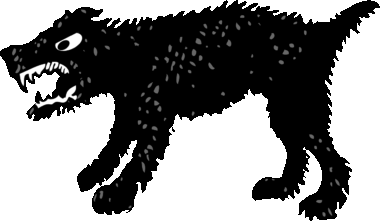

The Impact of Thyroid Disorders on Dog Temperament
Thyroid disorders are common health issues among dogs, significantly affecting their behavior and overall temperament. A dog’s thyroid gland produces hormones that are vital for metabolic functions and overall well-being. Any dysfunction can hinder hormone production, leading to various physical and psychological symptoms. In conditions such as hypothyroidism, dogs may become lethargic, disinterested in activities, and exhibit behavioral issues such as aggression or anxiety. This can understandably lead to concerns among pet owners regarding their dog’s temperament. It is essential to recognize that these behavioral changes are not intentional but stem from underlying hormonal imbalances. Regular veterinary check-ups can help determine thyroid health through blood tests that measure hormone levels. Moreover, early detection plays a key role in managing and treating any thyroid disorders and can markedly improve a dog’s mood and behavior. Owners should remain vigilant for any changes in behavior as these could indicate a potential health problem. Understanding the connection between thyroid health and behavioral issues fosters better relationships between dogs and their owners, ultimately leading to happier and healthier lives for canine companions.
Thyroid hormone imbalances can lead to a variety of behavioral changes in dogs. For instance, dogs suffering from hypothyroidism might demonstrate abnormal behaviors, such as increased aggression towards other animals or humans. This aggressive behavior often emerges unexpectedly as the dog struggles with various physical symptoms due to hormonal deficiency. Furthermore, lethargy can result in decreased playfulness and lesser engagement with their environment. Owners may perceive these changes as a lack of affection, which can strain the bond between a pet and its owner. Recognizing that these alterations are symptoms of underlying disease rather than inherent personality traits is crucial. In some cases, such behaviors can escalate beyond mere aggression, manifesting as significant anxiety or fear-based reactions, further complicating training and socialization efforts. For some dogs, promoting a positive environment through consistent schedules, engaging activities, and careful social interactions will be beneficial. Treating the underlying thyroid disorder can often reverse several of these behavioral issues. Engaging with a veterinary behaviorist alongside a vet specializing in endocrine disorders can provide a holistic approach, improving both behavioral symptoms and overall health for your dog.
Understanding the signs of thyroid disorders is critical for prompt diagnosis and treatment. Dogs might manifest signs such as weight gain, dull fur, or changes in appetite, which can often be overlooked by owners. In addition to these physical symptoms, behavioral changes can also emerge, making the situation more complex. Dogs with hypothyroidism might display increased tendencies towards depression or signs of withdrawal from their families. They may become less inclined to participate in activities that they once enjoyed, leading to a perceived change in temperament. Every dog may react differently to thyroid imbalances, which may make it difficult to associate behavioral changes directly with health issues. In addition, hyperactivity often misleads owners, as it is sometimes seen with hyperthyroid conditions. Family members may be caught off guard by sudden shifts in a dog’s behavior, emphasizing the need for awareness of overall health, including hormonal balance. Regular check-ups can catch issues before they escalate, promoting not just proper treatment but enhancing the pet-owner relationship by resolving potential misunderstandings surrounding behavior shifts linked to thyroid disorders.
Treatment Options for Thyroid Disorders
The treatment of thyroid disorders in dogs varies based on the type and severity of the condition. For hypothyroidism, veterinarians generally prescribe synthetic thyroid hormones, which help restore normal balance. Most dogs respond well to these medications, often leading to notable improvements in mood and behavior. It is crucial to follow the prescribed dosage and time frame for medication closely, including regular follow-up blood tests to assess hormone levels. Treatment plans also require a holistic approach; dietary adjustments may enhance the efficacy of medications and improve overall health. This might include feeding high-quality, nutrient-dense foods alongside avoiding fillers or unnecessary additives that could exacerbate health issues. Owners should also engage in mental stimulation activities to keep their dogs’ minds active, thus alleviating some behavioral symptoms related to thyroid dysfunction. In addition to pharmaceutical interventions, incorporating probiotics can promote digestive health and influence behavior positively. Consulting with a veterinary nutritionist can enhance understanding of nutritional needs and effective dietary changes to support dogs undergoing thyroid treatment, ultimately leading to improved health and well-being.
The role of veterinary care extends beyond diagnosis and treatment; it includes educating pet owners about the significance of behavioral changes associated with thyroid disorders. Understanding the full spectrum of health impacts allows owners to become proactive in assessing their dog’s behaviors and overall health. Trained veterinary professionals can provide insights into the types of behaviors that may signal a thyroid problem and recommend appropriate actions. Emotional support for pet owners can also be vital, as witnessing behavioral changes can be challenging and worrying. Pet owners should feel comfortable discussing their observations with vets to create a collective strategy for behavioral management. This might include behavioral training sessions tailored to address specific issues arising from thyroid disorders, fostering a collaborative approach. Additionally, the integration of dog training and behavioral modification techniques directed by specialists can yield significant improvements in behavioral symptoms, promoting a secure environment for affected dogs. A multi-disciplinary approach invokes better understanding and more comprehensive treatment protocols that cater to the emotional and physical needs of dogs suffering from thyroid-related behavioral disorders.
Conclusion: Enhancing Quality of Life for Dogs
Enhancing the quality of life for dogs suffering from thyroid disorders is achievable through comprehensive care strategies involving both medical and behavioral intervention. Understanding the intricacies of how thyroid dysfunction affects a dog’s demeanor can lead to timely diagnosis and effective treatment options, bringing positive transformations. Owners equipped with knowledge about potential symptoms are better positioned to advocate for their pet’s health. Implementing lifestyle adjustments, including enriched environments, dietary changes, and ensuring emotional support, play crucial roles in managing the ongoing effects of thyroid issues. Collaboration among pet owners, veterinarians, and pet trainers leads to cohesive strategies aimed at improving behavior and enhancing emotional well-being. As the relationship between dogs and their owners strengthens through these efforts, both parties enjoy enriched lives filled with affection and understanding. Ultimately, monitoring any behavior shifts and educating oneself about thyroid health are imperative in maintaining a dog’s overall quality of life. By embracing a proactive mindset and engaging appropriate support, pet owners can ensure their furry companions thrive even amid health challenges linked with thyroid disorders.
The journey towards understanding thyroid disorders in dogs has revealed the profound impact they can have on behavior and temperament. Awareness of the symptoms and available treatments is essential for fostering healthier relationships between dogs and their owners. By recognizing how underlying health conditions manifest as behavioral issues, pet owners can resolve concerns that may arise from misinterpreting their dog’s actions. Armed with information about the effects of thyroid dysfunction, pet owners can establish communication with their veterinary team, ensuring that their dog’s health is continuously monitored. This co-managed approach further solidifies the bond between owners and their pets, promoting a sense of security for both. By embracing a holistic perspective that integrates physical well-being with emotional stability, we can redefine the notion of what it means to keep our canine companions happy and healthy. In conclusion, addressing canine thyroid disorders requires a multi-faceted strategy that combines medical intervention, education, behavior management, and mutual support. These collective measures contribute greatly to enhancing the lives of both dogs and their families, leading to a more harmonious existence for everyone involved.
In uncovering the relationship between thyroid disorders and behavioral changes in dogs, we see the urgency for awareness and appropriate response. Ultimately, a better understanding paves the way for devising effective support systems promoting a pet’s health and quality of life. The increasing recognition of these issues amongst pet owners and veterinary professionals alike promotes the overall discourse surrounding dog health. As we continually refine our understanding of how various health conditions impact behavior, it is imperative to foster dialogues about animal welfare and proactive measures. Encouraging pet parents to seek professional guidance readily, thus ensuring that dogs experiencing behavioral changes are promptly evaluated for thyroid issues, will create better outcomes and foster responsible pet ownership. The focus should remain not only on treatment but also on prevention strategies that empower pet owners through education. By raising awareness about thyroid disorders, we are ultimately contributing to building a better world for our furry friends. Pets enrich our lives deeply, and in turn, they deserve the same level of care and understanding that we extend to each other in our human interactions.