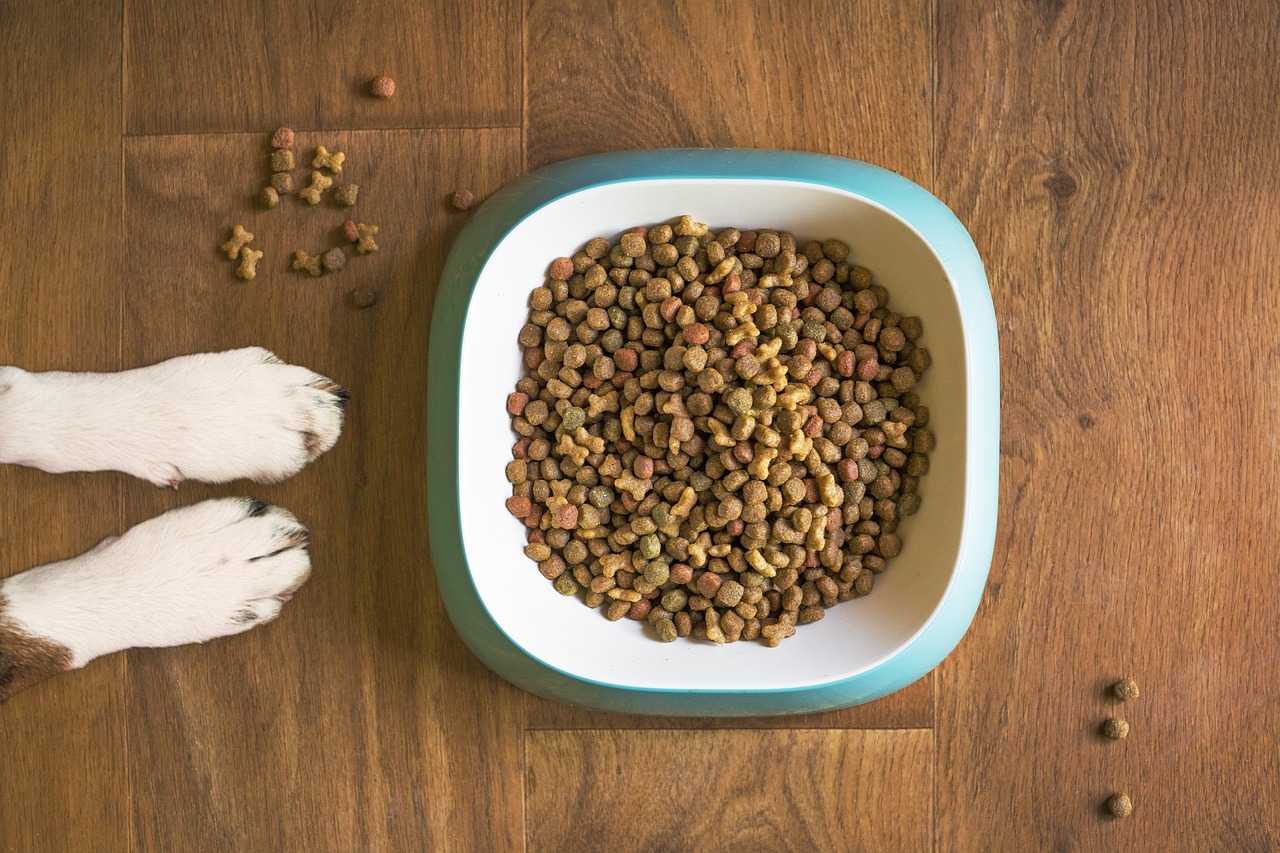

The Link Between Nutrition and Your Dog’s Behavior
Nutrition plays a crucial role in your dog’s overall health and behavior. Just as in human beings, what dogs eat can significantly influence their mood, energy levels, and temperament. When discussing proper nutrition, it’s essential to consider the quality of the ingredients in your dog’s food. High-quality proteins, fats, vitamins, and minerals are vital for optimal health and good behavior. Commercial dog foods can vary widely in nutrition, leading to discrepancies in how dogs act. Dogs fed a well-balanced diet often exhibit more stable behaviors, becoming less aggressive and anxious. Proper nutrition can lead to improved cognitive abilities and responsiveness to training. On the other hand, low-quality or inappropriate diets can result in hyperactivity, poor focus, and generalized anxiety. It’s essential to consult with a veterinarian to determine the right dietary needs for your dog. A well-structured feeding routine will ensure your pet receives the nutrients they need. Observing your dog’s behavior in conjunction with their diet can highlight the connection between the two, allowing you to adjust their meals accordingly for the best outcomes.
One vital aspect of dog nutrition focuses on the right balance of macronutrients. Dogs require proteins, carbohydrates, and fats, with each component playing a significant role in their health and behavior. Proteins are essential for muscle development, tissue repair, and maintaining a healthy immune system. When choosing dog food, look for meats like chicken, beef, or fish as the primary ingredient. Carbohydrates from whole grains, fruits, and vegetables provide energy, which is critical for an active lifestyle. Healthy fats, such as those from fish oil, contribute to a shiny coat and healthy skin while supporting brain function. If a dog’s diet lacks any of these macronutrients, it can lead to behavioral issues. A deficiency in protein, for example, may lead to lethargy or aggression because the dog does not have the energy required for healthy interactions. Consult with your veterinarian about appropriate dietary proportions for your dog’s specific life stage and activity level. Monitoring your dog’s response to their diet is key to adjusting macronutrients for better behavior and well-being.
Another area of importance is micronutrients, which include vitamins and minerals crucial for a dog’s health. Proper intake of micronutrients can drastically impact your dog’s mood and behavior. Vitamins such as B-complex, especially B6 and B12, are vital for the nervous system and can help manage anxiety and stress levels in dogs. Minerals like calcium and phosphorus contribute to bone health, which in turn affects your dog’s ability to engage in physical activities. Micronutrient deficiencies may lead to behavioral changes, such as increased aggression or withdrawal. Therefore, ensuring your dog receives a complete diet is key to their emotional balance. This can be achieved through high-quality commercial dog food or a balanced homemade diet. Always consult with a veterinarian before changing your dog’s nutrition, especially when introducing new foods or supplements. Observing your dog’s behavior in relation to dietary changes can provide insights into their happiness and health. It’s essential to maintain adequate levels of micronutrients for a well-adjusted, behavioral-friendly pet, allowing them to thrive in various environments.
Food Allergies and Behavioral Changes
Food allergies can also greatly affect a dog’s temperament and behavior. Many dogs suffer from food sensitivities, which can cause gastrointestinal issues, skin irritations, and even behavioral changes. For instance, an allergic reaction can render a dog uncomfortable, leading to irritability and anxiety. Common allergens include grains, dairy, and certain proteins. Identifying and eliminating these allergens from a dog’s diet can significantly improve their overall mood and behavior. Keeping a food journal to track your dog’s food intake and associated behavior can be an effective way to identify problem areas. If you suspect food allergies may be influencing your dog’s behavior, consulting with a veterinarian is crucial. They may recommend an elimination diet to pinpoint specific allergens. Improved behavior and health often result from correct dietary adjustments. Regular veterinary check-ups can ensure your dog’s nutritional needs are continuously met. Many dog owners have successfully managed their pets’ behavior by simply switching their food, illustrating the importance of nutrition. Careful observation of dietary impacts on behavior is always beneficial for dog health.
Hydration and Behavioral Impact
Hydration is often overlooked but crucial in discussing dog nutrition. Dogs often become lethargic, irritable, and less engaged when dehydrated. Regular access to fresh, clean water is paramount for maintaining energy levels and good behavior. Water supports cognitive function and digestion, linking it directly to how your dog behaves. If dogs don’t drink enough water, they may exhibit signs of stress, anxiety, or restlessness. Consider monitoring your dog’s water intake and adjusting it according to their activity level and environment. In hot weather or after exercise, ensure your dog is hydrated properly. Sometimes, dogs may refuse water, especially if it’s not fresh or if they are anxious. Adding wet food to their diet can be an effective way to increase hydration levels. Keeping your dog hydrated can lead to improved behavior and a better overall mood. Offering flavored water or ice cubes may entice your dog to drink more. A dog that remains hydrated is more likely to engage positively with their family and surroundings. Therefore, making hydration a priority is crucial for behavioral improvements.
The timing of meals is also associated with a dog’s behavior and mood. Establishing a regular feeding schedule can provide stability and predictability in your dog’s life. Dogs thrive on routine, and having meals at consistent times helps them feel secure. Hunger can lead to irritability and restlessness, whereas consistent feeding patterns contribute to calmer and more content dogs. Avoid free-feeding, which can result in overeating and related behavioral issues, such as obesity. On the contrary, establishing a set feeding schedule encourages healthy eating habits and can alleviate food-related anxiety. Understanding your dog’s needs according to their age, breed, and activity level can help optimize meal timing. Regular observation can reveal how changes in feeding impact behavior. Facilitate feeding times as an opportunity for positive reinforcement, encouraging your dog to relate food with good behavior. Monitoring your dog during mealtimes and their behavior afterward will give crucial insights into their psychological state. Ultimately, timing meals appropriately fosters better emotional regulation and behavior in dogs, making it an integral part of dog nutrition.
Conclusion: Nutrition’s Role
In conclusion, nutrition is a cornerstone of your dog’s health and behavior. Understanding the types of nutrients necessary for your dog can provide a clearer picture of their overall well-being. Dogs respond to their diets in varied ways, with the right balance of macronutrients and micronutrients paving the way for desirable behaviors. Discussing any dietary concerns with a veterinarian can aid in establishing a tailored diet for your dog’s needs. Observing your dog’s behavior can act as a vital feedback loop for dietary choices, helping you adjust when needed. Employing a consistent feeding schedule, maintaining hydration, and recognizing allergens can enhance your dog’s emotional well-being. Furthermore, being mindful of nutrition can lead to positive behaviors that foster a harmonious relationship between you and your beloved pet. Behavioral issues often have nutritional roots, making it essential to monitor both diet and action closely. Thus, prioritizing what goes into your dog’s bowl can result in a happier, healthier companion. Always stay informed about dietary changes and their behavioral implications, ensuring your dog receives the best possible nutrition.
Key takeaway: Paying attention to your dog’s diet can shift their behavior positively, emphasizing the pivotal role of nutrition.