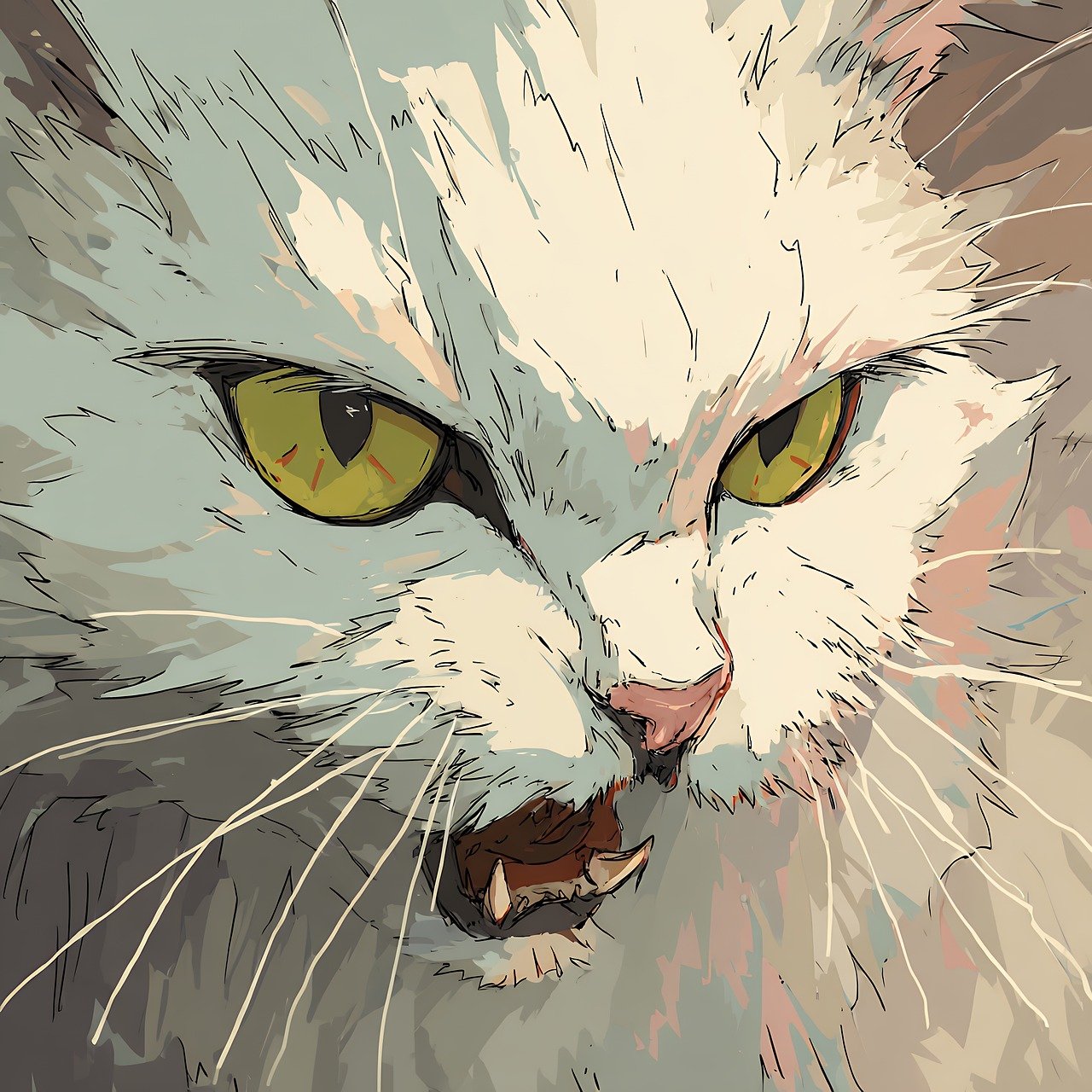

Training Your Cat to Enjoy Grooming: Tips for Aggressive Cats
Grooming your cat can be a challenging experience, especially when dealing with aggressive behavior. Understanding the root causes of this aggression is crucial. Cats may exhibit aggression during grooming due to fear, past trauma, or a dislike of being handled. Identify what triggers your cat’s aggression, whether it’s specific tools or techniques. Providing a calm, soothing environment can significantly help ease their anxiety. Begin by desensitizing your cat to grooming tools. Let your cat sniff and explore the brushes and combs before using them. This approach helps the cat associate grooming tools with positive experiences. Utilizing treats is an effective way to encourage positive reinforcement. Each time your cat remains calm during grooming, reward them with a favorite treat. Ensure grooming sessions are short initially, gradually increasing the duration as your cat becomes more comfortable. Patience is key; remain calm and composed during the process. Taking breaks and allowing your cat to retreat to a safe space when needed can prevent overwhelming experiences. Engaging in playtime can also help release pent-up energy before a grooming session.
Another important technique is to choose the right grooming tools. Selecting a soft brush can make a big difference in your cat’s comfort level. Look for brushes designed specifically for sensitive skin or designed to reduce pulling on fur. If your cat has a particularly thick coat, consider using a de-shedding tool gently. Cats are creatures of habit, so introducing grooming into their routine can help normalize the process as well. Designate specific grooming days or times during the week. Alongside routine, focus on creating a positive association with grooming sessions. Play calming music or talk softly to your cat as you groom. Make the experience enjoyable rather than a chore for both of you. Incorporating short breaks allows your cat to relax and fosters trust. If your cat reacts aggressively, stop, and give them time to settle down. Gradually increasing exposure over time can reinforce a sense of security. In some cases, professional grooming services may also be beneficial, particularly for highly aggressive cats. These groomers are trained to handle difficult situations and can help alleviate your stress while taking care of your cat.
Establishing a safe space for grooming can be incredibly beneficial for aggressive cats. Create a designated grooming area that is quiet and free from distractions. This environment helps reduce anxiety, making your cat feel more secure. Using a non-slip surface can also contribute to your cat’s comfort, giving them stability during the grooming process. Be mindful of your cat’s body language throughout grooming. Signs of stress or discomfort, such as flattened ears or twitching tails, indicate it’s time to stop. Gentle handling plays a significant role in promoting a positive grooming experience. Avoid holding your cat tightly; instead, allow them the freedom to move slightly. This creates a sense of control, reducing the chances of aggression. Introduce grooming methods slowly and respectfully, and consider using a soothing spray or pheromone diffuser. These products can help create a more tranquil environment during grooming sessions. Try to end each grooming session on a positive note, even if it’s brief. This reinforces the idea that grooming can lead to enjoyable outcomes, such as treats or cuddles. Over time, your cat may begin to view grooming as a pleasant interaction rather than a stressful episode.
Utilizing Positive Reinforcement
Utilizing positive reinforcement techniques can dramatically transform your cat’s grooming experience into a more enjoyable routine. Begin by associating grooming with enjoyable activities and rewards. Use treats, toys, or praise as rewards to reinforce good behavior during grooming. Offering these rewards immediately after a successful grooming session can help your cat understand that grooming leads to positive outcomes. Gradually introduce grooming tools while offering these rewards to build positive associations. For instance, show the brush to your cat, give them a treat, and allow them to explore the tool at their own pace. This method creates a more gradual introduction. Depending on your cat’s temperament, try to desensitize them by slowly increasing the amount of time spent grooming each session. If your cat responds positively, you may choose to add more areas to groom, such as brushing the tail or paws. Consistency in rewards is key; over time, your cat will begin to expect the treats as part of the grooming, ultimately leading to a more peaceful experience for both of you.
Socialization plays an essential role in helping aggressive cats accept grooming. The more comfortable your cat feels around you, the easier it is to groom them. Spend ample time playing and bonding with your cat to build trust and familiarity. Gradually introduce different types of handling and gentle touches to help acclimate them. Incorporate grooming touches into regular interactions; for instance, stroke your cat’s back or brush their fur while playing to make them accustomed to the sensation. Establishing trust will allow your cat to feel more secure during grooming. Additionally, observing their boundaries is important. If they resist or show signs of distress, take a step back and go at their pace. Reassess grooming techniques to ensure they suit your cat’s preferences. Over time, this approach can foster emotional resilience in your pet, making subsequent grooming easier. The goal is to help your cat trust you completely, leading to a more favorable grooming experience overall. Remember that building this trust takes time, and consistency throughout the process fosters a lasting bond between you and your feline.
Seeking Professional Help
If your cat continues exhibiting aggressive behavior despite your efforts, consider seeking professional help. Consulting with a veterinarian or a certified animal behaviorist may provide deeper insights into your cat’s grooming challenges. These professionals can help identify underlying reasons for the aggression that you might have missed. They may suggest tailored strategies specific to your cat’s needs, ensuring you develop effective grooming techniques. In some cases, they may recommend behavioral therapies or medication to ease anxiety and aggression. Alternatively, you may explore working with professional groomers experienced in handling aggressive cats. These groomers understand how to approach fearful or aggressive behavior safely, minimizing stress for both the cat and the handler. They can also teach you specific techniques that help calm your cat during grooming. Observing their methods can provide valuable lessons, allowing you to incorporate them into your at-home grooming routine. Remember that patience is key throughout this process; it’s essential to allow your cat time to adjust. Positive changes will occur gradually, as mutual understanding and cooperation develop.
Lastly, patience is your greatest ally when dealing with aggressive cats during grooming sessions. Frustration can be tempting, but remaining calm and composed significantly helps. Celebrate small victories; every positive interaction counts. Gradually, your cat may become less resistant to grooming. Remember that each cat is unique, with different temperaments and comfort levels. What works for one cat may not work for another. Adapt your approach based on your cat’s cues and responses. Utilize short grooming sessions filled with praise to facilitate a sense of accomplishment and reduce anxiety. Observe your cat’s body language and give them space when needed, reinforcing their feelings of safety. Celebrate progress, however small it may seem, either through an enthusiastic goodbye or during playtime. Regularly practice these techniques to reinforce trust and familiarity in grooming routines. As your cat becomes accustomed to grooming, it can strengthen your bond. In the long run, this practice can foster an enriching relationship between you and your feline friend, turning the grooming experience into a time of connection, care, and affection.
As you work with your cat during grooming, focus on creating a peaceful, positive atmosphere. This will mean taking the time to consider the environment in which you groom your cat. Natural light, comfortable temperatures, and minimized noise can create a calming effect. Establish a comfortable place with their favorite blanket, toys, or resting areas nearby to help ease anxiety further. Using soft brush strokes and regular pauses will help your cat adjust to being groomed over time. Being observant of your cat’s reactions is essential. If at any point they become stressed or aggressive, recognize these signs and react accordingly. With patience, kindness, and determination, you will see gradual improvements in their temperament. Most importantly, respect your cat’s individual limits and preferences. Ultimately, the goal is to help establish grooming as a safe, enjoyable event rather than a stressful ordeal. Over time, the fruits of your labor will show, transforming your cat into a more cooperative grooming companion. The process might be challenging, but the rewards of a clean, healthier, and happier cat are worth every effort.