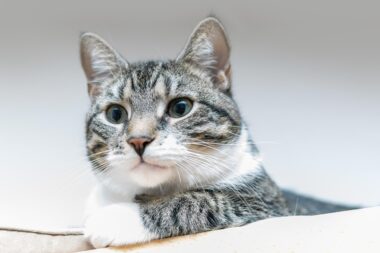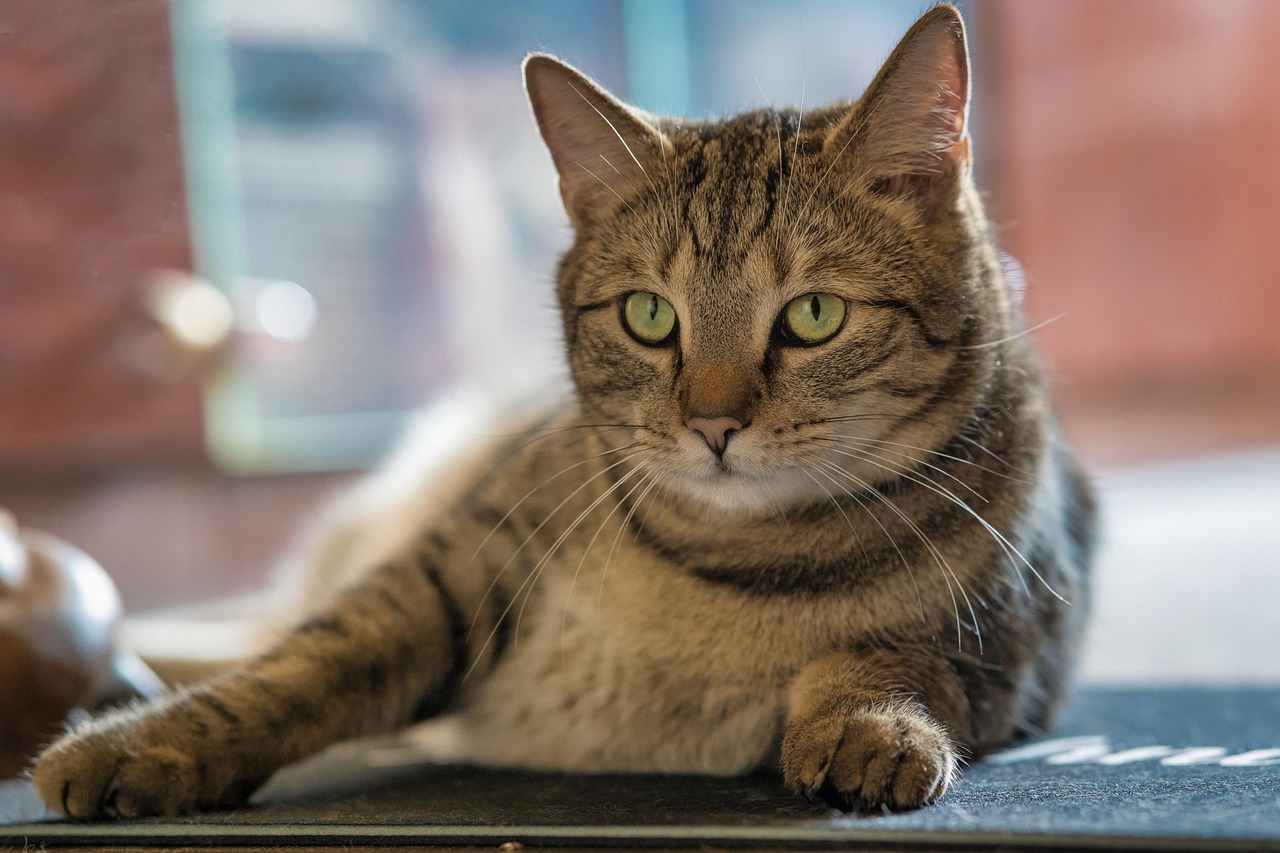

Traveling with Your European Shorthair Cat: Tips and Advice
Traveling with your European Shorthair can be a delightful experience if you prepare properly. First, ensure your cat is healthy enough to travel. A visit to your veterinarian is essential to confirm vaccinations are up to date and discuss travel-specific concerns, including anxiety treatments. A health certificate may also be required. When planning your trip, consider the mode of transport; choose one that can accommodate your pet safely and comfortably. For road trips, keep your cat secure in a pet carrier. Carriers should be well-ventilated and spacious for your cat to move comfortably during travel. While flying, check airline policies regarding pet travel. Take necessary precautions to avoid stress by familiarizing your European Shorthair with the carrier beforehand. Benefits of traveling with your Shorthair include bonding time and new experiences. Ensure your cat has familiar items, like their blanket or toy, to reduce anxiety during your journey. Finally, always have essential supplies on hand. This includes food, water, bowls, and a leash for bathroom breaks during stops. Happy travels await you and your furry companion!
Preparing for the Journey
The next step involves careful preparation for a successful pet adventure. Start by gathering all necessary supplies before your trip. Make a checklist that includes a travel carrier, collar with identification tags, food, and a portable water bowl. Ensure your cat is used to their carrier by encouraging short stays inside it. Gradually increase these stays to help them adjust. Training your cat to wear a harness can make outdoor excursions easier and safer. Consider purchasing a calming pheromone spray to ease any travel-induced anxiety. You can also consult with your veterinarian about suitable anti-anxiety medications if necessary. When traveling for long periods, plan regular breaks to allow your European Shorthair to stretch their legs and relieve themselves. Always carry a litter box and some litter, if possible. Familiarize yourself with locations for pet-friendly accommodations along your route. Research stops that allow pets to ensure comfortable breaks for your cat. Also, remember to keep their feeding schedule consistent to avoid digestive issues during travel. Establishing a routine aids comfort and offers stability for your furry companion.
During the journey, it’s vital to monitor your European Shorthair cat’s behavior. Look for signs of stress or discomfort, such as excessive vocalization or hiding. This may indicate they need a break or a calming treat. If traveling by car, never leave your cat alone inside the vehicle, especially in warm weather, as temperatures can rise quickly. Make sure the passenger cabin is well-ventilated and cool for optimal comfort. If you’re flying, ensure the carrier meets airline regulations for size and ventilation. Familiarize them with their surroundings and minimize exposure to loud noises. You can play soothing music or speak softly to comfort them during the flight. Hydration is crucial, so offer water during your breaks, particularly on longer journeys. Prepare for unexpected bathroom breaks by bringing along pet waste bags. Keeping your travel area clean is respectful and essential. When you arrive at your destination, give your cat time to adjust to the new environment. Slowly introduce them to different spaces, allowing them to explore safely. Comfort and patience will help ease the transition for your European Shorthair.
Finding Pet-Friendly Accommodations
Finding the right accommodations during your travels is critical when bringing your European Shorthair along. Many hotels and resorts now offer pet-friendly options, but it’s crucial to confirm their pet policies before making a reservation. Look for establishments that specifically cater to pet owners, as they are often more accommodating to your furry friend. Websites like BringFido can assist in locating pet-friendly lodging. When booking, check for additional fees or restrictions related to pets. Many hotels allow pets, but have restrictions regarding size or breed, so ensure your European Shorthair qualifies. Once you arrive, follow the hotel’s guidelines concerning pets, and always keep your cat on a leash if required. Research local parks or pet-friendly areas at your destination where your cat can stretch their legs and explore outdoor environments. Remember appropriate manners to keep your cat comfortable and safe during your stay. This will ensure a pleasant experience for both you and your accommodation hosts, making your travel fun and stress-free.
Once settled in, give your European Shorthair time to acclimate to the new environment. Create a designated space for your cat with their belongings, including food, water, and litter box. Let your cat explore at their own pace, ensuring they feel secure in their temporary surroundings. This familiarity helps minimize stress. Maintain their normal schedule as much as possible. Regular feeding times, play sessions, and cuddle time help provide structure. Engaging your cat with familiar toys and routines can boost their comfort in a foreign place. Monitor their behavior closely; if they appear to be stressed or withdrawn, use comforting techniques to reassure them. Bringing along a few familiar items, like their favorite blanket or bed, further enhances their comfort. Encourage exploration, allowing them to sniff corners and find favorite resting spots. It’s essential to create an atmosphere where your European Shorthair feels safe and welcome. Regular interaction and supervision are critical during this adjustment period. With patience and love, your cat will likely settle in and enjoy the adventure.
Health and Safety Considerations
While on the move, prioritizing your European Shorthair’s health and safety is paramount. Ensure they are up to date on vaccinations and treatments to prevent exposure to harmful diseases. Carry a copy of their vaccination records when traveling. This is beneficial for stays at pet-friendly hotels or visiting vets in case of emergencies. Always have your veterinarian’s phone number and address easily accessible in case you need medical assistance. Familiarize yourself with the nearest veterinarian at your destination, so you know where to go if problems arise. Provide proper identification for your cat with a microchip or tag that includes your contact information. This step is essential in case they become lost in an unfamiliar environment. During the travel, keep an eye on your cat’s food and water intake. Hydration is vital. Be cautious about the temperature, especially when traveling in warmer months. Avoid exposing your cat to excessive heat or cold, which can seriously harm your pet. Making health and safety a priority will contribute to a more relaxing and enjoyable trip for both of you.
After your travels, it’s essential to observe your European Shorthair’s behavior upon returning home. Changes in surroundings can be overwhelming, so closely monitor for any signs of stress or anxiety. It’s normal for cats to exhibit unusual behaviors after travel. Provide a calm, quiet space where they can feel safe. Allow them to hide or explore at their own pace. Spend time comforting and engaging them with their favorite activities, such as play or cuddling. Return to their regular routine as soon as possible to help them adjust. Gradually familiarizing them with their home environment after a trip allows a smoother transition back to normalcy. Observe any changes in eating or litter box habits, as these can indicate stress or discomfort. If you notice any concerning behaviors, consult your veterinarian. Such professionals can offer guidance on easing travel-related stress. Most importantly, supervise their reactions, ensuring your cat feels safe and secure in their environment once more. Traveling can be enjoyable for both you and your European Shorthair. Maintaining their well-being guarantees future adventures will be a joy for all!
Traveling with your European Shorthair can be a delightful experience if you prepare properly. First, ensure your cat is healthy enough to travel. A visit to your veterinarian is essential to confirm vaccinations are up to date and discuss travel-specific concerns, including anxiety treatments. A health certificate may also be required. When planning your trip, consider the mode of transport; choose one that can accommodate your pet safely and comfortably. For road trips, keep your cat secure in a pet carrier. Carriers should be well-ventilated and spacious for your cat to move comfortably during travel. While flying, check airline policies regarding pet travel. Take necessary precautions to avoid stress by familiarizing your European Shorthair with the carrier beforehand. Benefits of traveling with your Shorthair include bonding time and new experiences. Ensure your cat has familiar items, like their blanket or toy, to reduce anxiety during your journey. Finally, always have essential supplies on hand. This includes food, water, bowls, and a leash for bathroom breaks during stops. Happy travels await you and your furry companion!