
Common Mistakes in Indoor Cat Housing and How to Avoid Them
Indoor cat housing is essential for providing a safe and comfortable environment for your feline friend. However, many cat owners make common mistakes in setting up their cat’s space that can lead to stress and dissatisfaction for their pets. One frequent error is not providing enough vertical space. Cats are naturally climbers and love to perch at heights where they feel secure. Another mistake involves neglecting to create an engaging environment with things like scratching posts and toys. This boredom can lead to destructive behavior. Therefore, investing in suitable cat furniture is crucial. Utilizing shelves or cat trees can address both vertical space and engagement needs. Additionally, overlooking a designated place for litter boxes is critical. Cats need a clean and accessible litter area. Not having enough boxes can cause stress and lead to unsanitary situations. Lastly, focus on ensuring the indoor environment is well-maintained. Regular cleaning of the entire living space and providing fresh water and food areas will contribute to your cat’s overall well-being. Taking these steps allows your indoor cat to thrive and feel truly at home.
In addition to the physical space for your cat, another important aspect to consider is the emotional needs of your pet. Cats are independent creatures, and while they enjoy companionship, they also appreciate having their own territory. A major mistake is failing to provide hiding spots and cozy areas where your cat can retreat when feeling overstimulated. Creating a few different zones throughout the house offers your cat choices about where to relax. As well, consider the presence of other pets, as this can cause tension for your indoor cat. Even if your cat is sociable, introducing new animals should be done gradually and carefully. Make sure to closely monitor their interactions during the adjustment phase. Socialization doesn’t only apply to other pets, though. People in the household should also approach the cat properly. Loud noises or chaotic activities can unsettle them. Instead, allow your cat to approach you at their own pace. To further enrich their habitat, consider introducing interactive toys that stimulate their natural hunting instincts. This keeps them mentally engaged, reducing behavior issues. Paying attention to both physical and emotional factors contributes to a healthy indoor cat experience.
Common Mistakes with Litter Boxes
An often overlooked mistake is the improper placement of litter boxes throughout your home. It’s essential for cat owners to place litter boxes in quiet, easily accessible areas. Too often, boxes are placed in high-traffic or noisy spaces, causing cats to avoid them altogether. A general rule is to provide one litter box more than the number of cats in the household. This practice helps alleviate territorial disputes and stress regarding bathroom needs. Another frequent issue is using low-quality litter. Cats have sensitive noses and often prefer unscented, clumping litter that mimics the feel of soil. Experimenting with different types may be worthwhile to determine what your cat prefers. Regular litter scooping is crucial, as cats are more likely to avoid dirty boxes, leading to inappropriate urination or defecation elsewhere. From time to time, do a complete litter change to maintain hygiene. The location and cleanliness of litter boxes can impact your cat’s happiness and health. Always observe your cat’s habits to adjust accordingly. Just these small adjustments can lead to better potty habits and overall well-being.
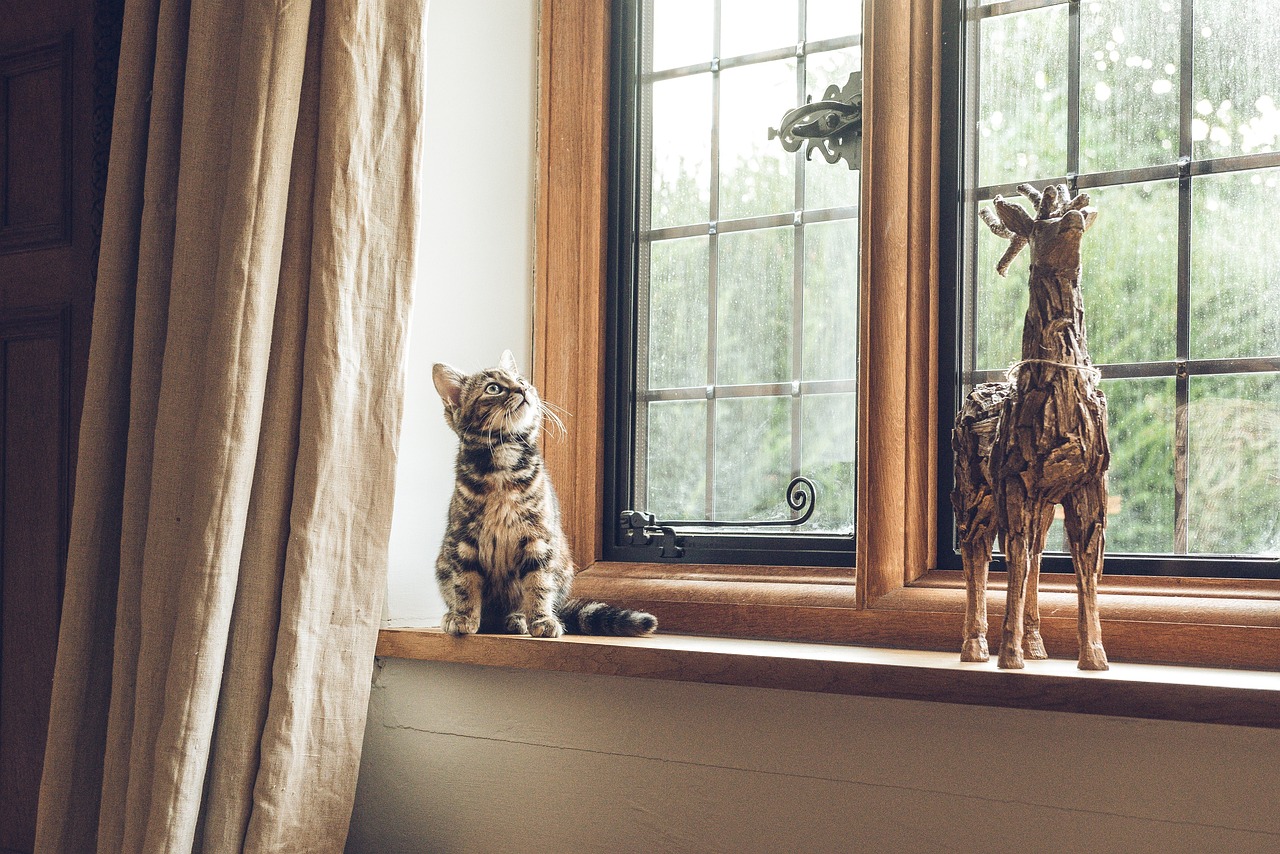
Another common mistake is providing inappropriate bedding and sleeping areas for your indoor cat. Cats require comfortable and safe spaces to sleep, and this varies depending on their personality. Some cats prefer a cozy bed placed in a quiet corner, while others enjoy raised surfaces to sleep upon. Offering a variety of options allows each cat to choose what suits them best. However, avoid placing beds in areas where there is already too much activity or noise. A strong recommendation is to place a bed near a window where they can watch the outside world, allowing for mental stimulation. Furthermore, regularly wash any bedding to keep it clean, as cats are generally fastidious groomers. Introducing soft blankets or pillows in various spots can provide your cat comfort and a safe place to snooze at any time. Cats also appreciate temperature control; a warm bed in winter and a cool spot in summer can enhance their quality of life. By thoughtfully considering your cat’s napping areas, you can improve their emotional well-being and comfort in an indoor environment.
Feeding Mistakes to Avoid
Proper feeding practices are another aspect of indoor cat housing that often get overlooked. The type of food, portion sizes, and feeding schedules are essential components that impact cat health and happiness. One common mistake is free-feeding, where cats have access to food at all times. This can result in obesity, which leads to various health problems. Instead, measure out meals and stick to a schedule to establish routine. Moreover, ensure the food bowls are correctly placed; they should be away from litter boxes and provide separate areas for food and water. Choosing feeding dishes made from stainless steel or ceramic can be beneficial, as these materials are easier to clean compared to plastic. Regularly wash both food and water bowls to avoid bacterial buildup. If your cat is a picky eater, try varying their diet with different flavors or brands, but introduce changes gradually to prevent digestive issues. Paying attention to nutrition and proper feeding practices will ensure your indoor cat remains healthy and content over time.
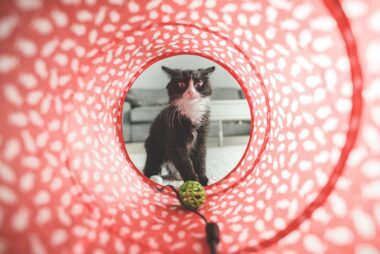
Providing adequate stimulation for your indoor cat is key to preventing boredom and the behavioral problems that can arise from it. A common mistake is limiting their environment to just the basic essentials without engaging opportunities. Consider enriching their living space by adding climbing shelves, interactive toys, and scratching posts. This allows them to exercise both their mind and body. Cats require mental challenges to avoid feeling lethargic or disinterested, as well. Puzzle toys filled with treats can encourage their natural hunting instincts and keep them occupied for longer periods. Regular playtime with their human companions can also foster strong bonds while allowing cats to expel energy. It can be fun to rotate toys, keeping the environment fresh and exciting for them. Additionally, window perches offer them an opportunity to enjoy the sights and sounds of the outdoors without direct exposure to dangers outside. Don’t forget that safe outdoor time in a controlled manner, such as via leash walks or cat patios, can provide a plethora of experiences while keeping your pet secure. Thoughtful changes to their environment cater to a well-rounded indoor life.
Final Thoughts on Indoor Cat Housing
Establishing a comfortable indoor environment for your cat requires attention to details, including physical space and emotional needs. Avoiding common mistakes ensures that you provide the best possible indoor experience. Remember to create vertical space with shelves and climbing structures, as cats are instinctively inclined to explore upwards. Additionally, ensure to allocate separate areas for litter boxes and feeding, as comfort greatly matters to your pet. Furthermore, regularly assess your cat’s emotional wellbeing by providing safe retreats and quality interactive time with you. Regular play sessions can fortify your relationship and provide mental stimulation. Offering various types of engaging toys can help prevent destructive behaviors that may occur due to boredom. Lastly, consider the ambience of your indoor environment to enhance comfort levels, and ensure that your feline friends have ample opportunities to observe the world around them. By avoiding these common pitfalls and investing time in your indoor cat’s environment, you’ll create a nurturing haven where they can thrive. A happy indoor cat is a joy to behold, and with the correct approach, you can ensure their home aligns with their instincts.