
DIY Hunting Toys for Indoor Cats: A Step-by-Step Guide
Cats are natural hunters, and while they enjoy hunting outdoors, creating indoor hunting toys can provide essential stimulation. Engaging your cat’s hunting instincts is crucial because it prevents boredom and encourages physical activity. This guide focuses on simple yet effective DIY projects that keep your indoor cat entertained and mentally stimulated. From simple materials found at home to more elaborate builds, there’s a variety of hunting toys you can create. By introducing new toys regularly, your cat will experience the thrill of the hunt while indoors. Additionally, these toys can help replicate their natural behaviors, enhancing their overall health and well-being. Before beginning, gather some basic crafting supplies such as cardboard, string, feathers, and small boxes. As you embark on this DIY adventure, be sure to customize and adapt each toy to fit your cat’s preferences and play style. In the next sections, you will find step-by-step instructions for making a variety of hunting toys that will delight your feline friend. Let’s dive into the world of cat furniture making that is enjoyable and fulfilling for both you and your pet.
What Makes Cats Love to Hunt?
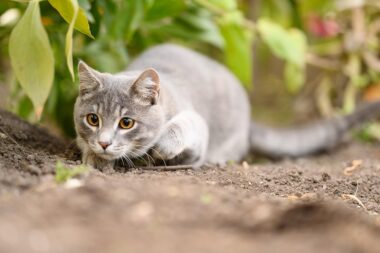
Understanding your cat’s hunting behavior is essential for creating toys that they’ll love. Cats possess an innate desire to stalk, pounce, and capture their prey. In the wild, these behaviors are vital for survival. Indoor cats may not have real prey to hunt, but that doesn’t mean they don’t enjoy the thrill of chasing something. To cater to this instinct, you can design toys that mimic the movements of small animals. For instance, the flapping of feathers or the quick movement of a ball can ignite your cat’s excitement. Moreover, a well-designed toy can mimic the unpredictability of a real hunt. Engaging toys can also provide essential mental stimulation, helping to prevent behavioral issues arising from boredom. By offering toys that challenge your cat’s intelligence, you are promoting healthy physical and mental activity. Interactive playtime not only satisfies your cat’s natural instincts but also strengthens the bond between the two of you. Always observe your cat’s preferences to identify which movements or sounds capture their interest the most during playtime.
Crafting DIY hunting toys can be budget-friendly and fulfilling. One popular idea is creating a “feather wand.” To make this toy, procure a stick, some string, and a feather. Simply tie the feather to the end of the string, and then attach the other end to the stick. This toy replicates the predator-prey dynamic, allowing your cat to stalk and catch the feather as you move the wand. Use a variety of feather colors to create more excitement. Another simple option is the “box and ball” toy. Place a small, lightweight ball inside a cardboard box. Cats love to paw at and chase things that seem to hide, making them engage their hunting instincts effectively. You can also cut holes in the box to create an added challenge. Both toys are easy to make and can be created using items that you likely already have at home. Before crafting toys, ensure all materials used are safe for your pets. Check for small parts that could pose a choking hazard. Enjoy playtime with your cat!
Interactive Puzzle Toys
Another exciting DIY toy idea is to craft interactive puzzle toys. These toys challenge your kitty’s mind and encourage hunting behaviors. Start with a shallow box and small cups or containers that can hold treats. The aim is to create a puzzle where your cat must figure out how to retrieve the treats. Place a few of your cat’s favorite treats in the cups and cover them with lightweight objects, such as ping pong balls or small cloths. This way, your cat will need to use their paws to uncover the treats. To spice things up, you can even add varying levels of difficulty by adjusting the weight of the materials used to cover the treats. Cats enjoy challenges and will be more engaged if they have to think to obtain their rewards. This type of mental exercise is essential, as it can reduce stress and anxiety. Not only will your cat enjoy the time spent playing with these puzzles, but you’ll also get to observe their enjoyable problem-solving abilities during playtime. Don’t forget to supervise them while they play!
You can also focus on sensory toys that stimulate your cat’s natural hunting senses through sound. For example, you can create a crinkle toy using a piece of fabric and some crinkly materials, such as crumbled tissue paper or aluminum foil. Begin by placing the crinkly materials inside the fabric and then sewing or tying it securely. The sound of crinkling will attract your cat’s attention and mimic the noise of rustling prey. Cats love the surprise of not knowing when the sound will happen, which encourages them to pounce and explore actively. Alternatively, consider making a “hidden treasure” toy by placing small toys or treats inside a sock or fabric pouch. Your cat will enjoy digging through the pouch for their new treasure, simulating the chase and capture process. These sensory toys are perfect for keeping your kitty entertained indoors while appealing to their natural instincts. Always pay attention to your cat’s reactions, as this will help you understand their preferences and develop even more engaging toys tailored to them.
Maintaining Safety During Play
While crafting and engaging with DIY toys, safety should always be a primary concern. Avoid using any materials that could be dangerous if chewed on or swallowed, such as small buttons or plastic pieces that can break off. Always monitor your cat while they play with their new toys to ensure they don’t accidentally ingest anything harmful. It’s essential to regularly inspect the toys for signs of wear and tear. Oftentimes, cats are rough during play, which could lead to deteriorating toys that might pose choking hazards. If you notice any damaged items, don’t hesitate to replace them immediately. In addition, be wary of string, yarn, and similar materials. They can be extremely tempting for cats to chase, but if ingested, they can lead to serious health problems. Instead, ensure that string toys are easily detachable from your cat’s mouth and only used under supervision. By being vigilant and proactive, you can ensure a safe play environment while enriching your cat’s life with enjoyable DIY toys.
In conclusion, creating DIY hunting toys for your indoor cat can be an enriching experience for both you and your feline friend. By offering a variety of engaging toys, you can enhance your cat’s physical and mental stimulation, satisfying their natural hunting instincts. The projects we discussed, including feather wands, interactive puzzles, and sound-based toys, are inexpensive and easy to make. Remember, the key is to stimulate your cat’s instincts and provide them with new challenges to explore. Encourage playtime regularly to maintain excitement and foster a strong bond between you two. Don’t forget to evaluate your cat’s preferences and adapt your toy designs accordingly. It’s not just about the toys; the interaction and quality time spent together are equally important. As your cat becomes accustomed to these toys, you may find new ways to enhance their play experience. Finally, sharing your creations online may even inspire other cat owners to get crafty. Together, with creativity and safety in mind, you can give your indoor cat a fulfilling life filled with adventures and hunting excitement from the coziness of home!