
How Often Should You Take Your Dog to the Vet for Dental Check-Ups?
Regular dental check-ups for your dog are vital for maintaining their oral health and overall well-being. Most veterinarians recommend scheduling dental exams at least once a year. However, some dogs may require more frequent evaluations, particularly if they have a history of dental disease or specific breed-related issues. Larger breeds may need their dental health checked more often compared to smaller dog breeds. Dental care at home should also be a part of your routine, but veterinary check-ups will provide a more thorough examination. During these visits, vets can identify issues early, such as periodontal disease, which is common in dogs. This condition, if left untreated, can lead to severe health problems. You should watch for signs indicating that a vet visit is necessary, including persistent bad breath, difficulty in eating, or noticeable dental tartar. Regular professional cleanings can prevent serious dental problems in the long run, safeguarding your dog’s health. Make it a habit to prioritize their dental care, as it contributes significantly to their quality of life.
Dental care is not just about aesthetics; it plays a crucial role in your dog’s overall health. Many pet owners overlook the necessity of routine dental check-ups. The frequency of these visits can depend on various factors. For example, dogs aged seven or older are typically at a higher risk for dental issues. Their gums may require more attention, so visits should ideally occur every six months. Additionally, breeds like Greyhounds or Dachshunds can be prone to unique dental problems, necessitating even more frequent vet interactions. If you’ve noticed your dog is more sensitive around the mouth area or is displaying unusual chewing habits, it may be time for a dental evaluation. Having a regular check-up is key to diagnosing and treating issues before they escalate into more severe conditions. It’s essential to trust your veterinarian’s advice regarding dental care frequency. They can assess your dog’s individual health requirements and provide a customized dental check-up schedule tailored to their specific needs. Consistency in dental visits can lead to lasting benefits for your furry friend.
Understanding the Importance of Dental Health
Veterinary dental care is a cornerstone of a dog’s health plan. Proper dental hygiene can help prevent diseases that affect other organs in the body. For instance, bacteria from the mouth can enter the bloodstream, impacting the heart and kidneys. As they age, dogs often experience higher rates of dental disease, which can be exacerbated by factors like poor diet or insufficient oral hygiene at home. Regular dental check-ups help ensure that your dog does not suffer from painful conditions like gingivitis or tooth decay. You can enhance your dog’s oral health by maintaining an at-home dental regimen, including daily tooth brushing and dental chews. Don’t underestimate the value of a nutritious diet in promoting healthy teeth and gums. Your pet’s veterinarian can recommend dental diets designed for optimal oral health benefits. With proactive care, you can significantly reduce dental-related issues and extend your dog’s life expectancy. Education on how to provide consistent dental care at home will also empower you as a pet owner, making a substantial difference in their quality of life over time.
One of the primary indicators that your dog may require immediate dental care is bad breath, also known medically as halitosis. If your dog’s breath has taken a turn for the worse, it’s often a sign of plaque accumulation or gum disease. Beyond practicing regular at-home brushing, the importance of professional dental cleanings cannot be overstated. These cleanings allow for scaling beneath the gum line, an area not typically addressed during regular brushings. Another significant sign is bleeding or inflamed gums; this warrants urgent veterinary attention. Don’t wait until your dog is in discomfort to make an appointment. Furthermore, loss of appetite or significant changes in eating behaviors could suggest dental pain, making it essential to monitor your dog’s overall eating habits closely. In some cases, dogs may exhibit behavioral changes, like increased irritability or aggression when their mouth hurts, indicating they need veterinary help. By paying attention to your dog’s signals, you can mitigate severe complications that might arise due to neglected dental issues, supporting a healthier lifestyle.
Creating a Personalized Dental Care Plan
To ensure your dog’s dental health, creating a personalized dental care plan with your vet is crucial. This plan should be based on your dog’s specific needs and age. Start by discussing your dog’s dental history; if previous dental problems exist, the vet can tailor the care plan accordingly. Regular checks not only involve cleanings but also thorough oral examinations to detect early signs of disease. Depending on the breed, certain dogs are predisposed to genetic dental issues, which can significantly influence the approach to their dental care. Incorporate education on home dental hygiene practices into the plan so you can maintain a consistent routine. Your vet may recommend dental products such as specialized toothpastes, water additives, or dental treats to promote oral health. Regular dental check-ups will also provide you with the necessary support, as your vet can suggest any changes to your existing care practices. Ultimately, a proactive dental plan is a partnership—between you, your dog, and your veterinarian—that can greatly enhance and secure your dog’s overall health.
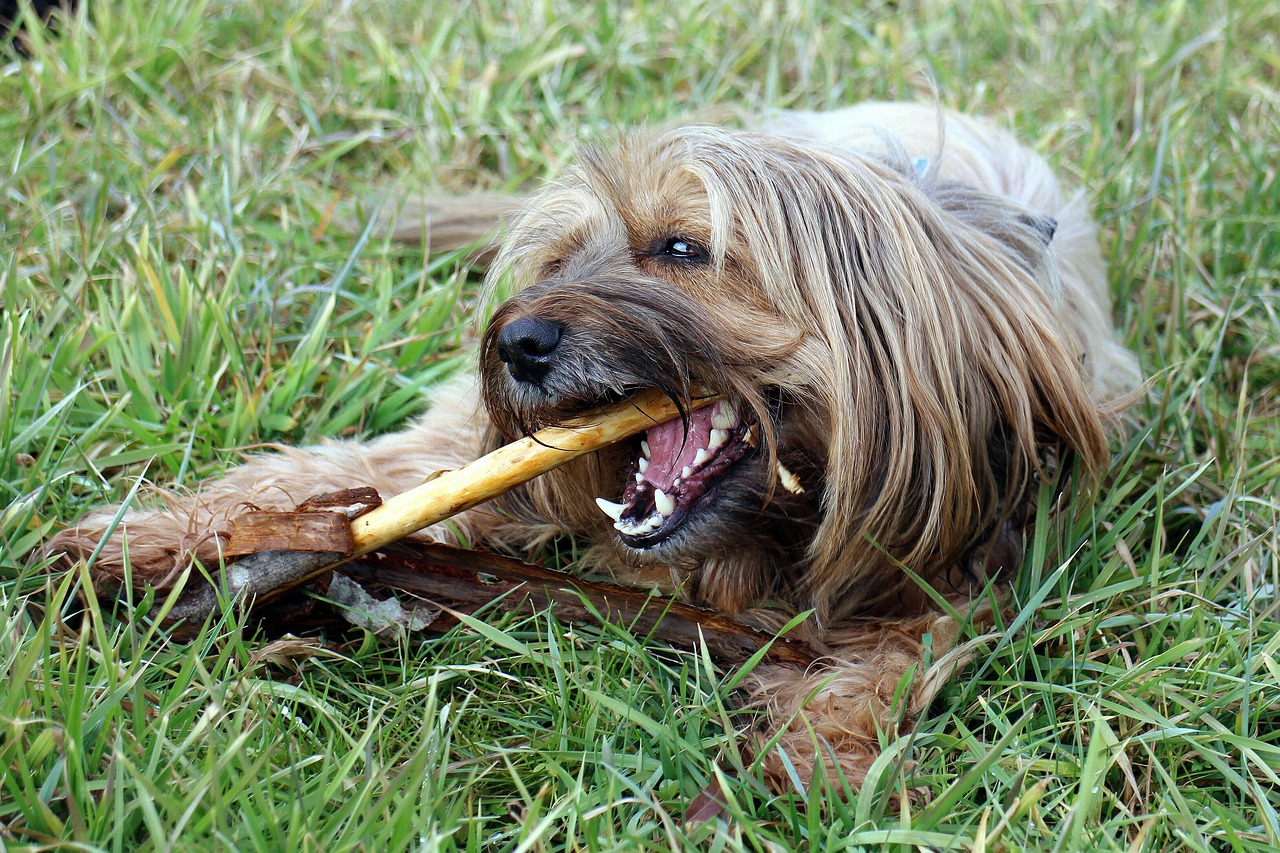
In addition to regular dental check-ups, paying attention to your dog’s diet is vital for maintaining dental health. Soft and sticky foods can lead to plaque buildup, so consider providing hard kibble or specific dental diets that can help reduce this risk. Chewing actions produce saliva, which is beneficial in combating plaque and bacteria. Dental chews can be a fun way for your dog to maintain dental hygiene while enjoying tasty treats. Look for products endorsed by the Veterinary Oral Health Council (VOHC); these have been shown to be effective in reducing plaque and tartar. Additionally, some toys are designed to help clean teeth while your dog plays; just ensure they are safe and appropriate for your dog’s size. Remember, while professional dental care is crucial, complementary strategies can elevate your dog’s dental hygiene routine. If you notice any changes in your dog’s chewing habits or dental health concerns, don’t hesitate to reach out to your veterinary team. Keeping an ongoing dialogue about dietary choices will greatly contribute to optimizing your dog’s dental care plan.
Signs Your Dog Needs Immediate Care
It’s essential to know when your dog needs immediate dental care to prevent long-term health issues. Persistent bad breath, as mentioned earlier, is a red flag; however, it’s essential to recognize additional warning signs. If your dog is avoiding food or is selective about what they eat, it can indicate discomfort in their mouth. Look for any signs of bleeding when they eat or chew; this is a sure sign that something is wrong. Excessive drooling or changes in normal eating behavior can also be linked to underlying dental issues. Behavioral shifts, such as withdrawal or irritability, may further suggest they are in pain. Always observe your dog’s behavior for abnormalities and consult your veterinarian without delay. Early detection can effectively minimize complications and improve your dog’s comfort significantly. Watch for any swelling around the mouth or facial area; these can be signs of an abscess. Keeping a watchful eye allows for early intervention, which is crucial in maintaining oral health and overall well-being.
Prioritizing your dog’s dental care can lead to a happier and healthier life for them. Many pet owners may underestimate the importance of oral health, but the reality is that dental issues can lead to severe health concerns over time. Regular vet visits for dental check-ups should be a fundamental aspect of your dog’s healthcare routine. It’s essential to keep communication open with your veterinarian regarding your dog’s dental needs and care plan as they age. Also, continuously educate yourself about the latest in dental practices, treatments, and preventative care methods to ensure your dog’s health is optimized. Recognition of dental issues, early treatment, and ongoing care will ultimately improve your dog’s quality of life. With a comprehensive plan that includes both home care and professional dental visits, you can make significant strides in preventing painful conditions and extending your pet’s life. Don’t hesitate! Start implementing a solid dental care regimen tailored to your furry friend’s needs and regularly consult your veterinarian for guidance. Together, you can establish a long-lasting path to optimal dental health for your beloved pet.