
How to Build a Dog First Aid Kit: A Comprehensive Guide
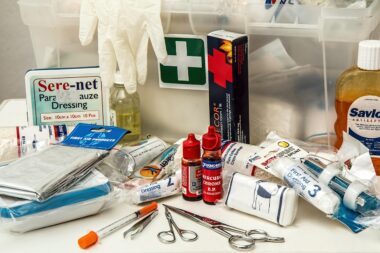
Creating a well-equipped dog first aid kit is crucial for any responsible pet owner. Emergencies can occur unexpectedly, and having the right supplies can mean the difference between life and death for your furry companion. Start with a sturdy and waterproof container to store all the items. This kit should be easily accessible and clearly labeled for quick identification. Essential items include bandages, antiseptic wipes, tweezers, and a digital thermometer. In addition to standard items, consider including items such as hydrogen peroxide for inducing vomiting in emergencies, glorified gauze, and even a muzzle to prevent biting in fear or pain. Be aware of seasonal items like insect bite cream. Stock your kit with personal pet items like medications, medical records, or a copy of your pet’s health certificate. Consider adding a small emergency blanket for warmth or comfort. Preventive supplies like a pet-safe sunscreen can also be helpful. Regularly check the kit, replacing expired items and adding new supplies as needed. Preparation is the key to managing emergencies effectively.
Another essential item for your dog’s first aid kit is a set of basic first-aid tools. Items like scissors, which are useful for cutting tape, bandages, or other materials in critical situations, should be included. Adhesive tape is crucial for securing dressings and gauze pads. Additionally, incorporating a canine muzzle is vital, as it protects you and your pet during stressful moments. Be wary of your dog’s temperament; a muzzle can help prevent biting while administering first aid. Including a pet-specific thermometer is also advantageous, as dogs have different normal temperature ranges than humans. This device is essential for monitoring your dog’s health during emergencies. Having a guidebook on dog first aid can also be useful, providing quick references on what to do in various situations. You should also add a list of emergency contacts, including your veterinarian, local animal hospitals, and pet poison control. Such a list ensures you can quickly reach help in a crisis. Ensuring your first aid kit is comprehensive will empower you as a responsible pet owner.
Essential Items for Your Dog First Aid Kit
When selecting supplies for your dog first aid kit, consider the specific needs of your canine companion and any potential hazards in your environment. Basic items include various sizes of gauze pads and bandages to handle different injuries effectively. Antiseptic wipes, such as those containing benzalkonium chloride, help clean cuts and prevent infections, proving vital in emergencies. Don’t forget to add a tick remover tool if you live in a tick-prone area, as this can aid in safely removing unwanted pests. Additionally, knowing the proper way to administer medications, if required, is essential. Make sure to include your dog’s prescriptions, as they can help first responders understand your pet’s medical history and current treatment. A flashlight or glow stick is beneficial in low-light conditions. If your dog suffers from allergies, keep an antihistamine recommended by your vet handy, as it may provide relief during an allergic reaction. Besides these, including a small battery-operated fan can assist in cooling your dog if overheated. These thoughtful additions provide comprehensive care in emergencies.
Another crucial aspect to consider when packaging your dog first aid kit is the inclusion of instructions on how to perform basic first aid for pets. Many pet owners are not aware of the proper techniques for performing CPR on dogs or how to handle various emergencies, so having a reference guide provides assurance. Understanding dog anatomy and first aid steps can help stabilize your pet until veterinary assistance is available. Additionally, remember to tailor your first aid kit based on your dog’s size, breed, and specific health conditions. For example, larger dogs may require larger bandages and splints. Having a small muzzle and a couple of cotton balls can also offer help in various situations. Always ensure that everything is easy to access and that individual items are packed neatly. Regularly check your supplies and update them as necessary to maintain effectiveness. As a responsible pet owner, knowing the contents of your first aid kit can significantly impact the outcome of an emergency. Keep your dog safe by being prepared with the necessary resources.
Maintain Your Dog First Aid Kit
It is crucial to maintain your dog first aid kit by conducting routine checks. Regular evaluations ensure that items are in working order, not expired, and restocks occur when needed. Pack any necessary medications designated for your dog to avoid critical lapses in necessary care. Set reminders on your phone or calendar every six months to review the kit. During this time, check to see if any items are missing, damaged, or expired. Replace these promptly to ensure you are always prepared at a moment’s notice. Over time, you may notice the need for specific supplies based on your dog’s age, breed, or health condition. Additionally, always consider the risks present in your environment. If your dog often accompanies you on outdoor adventures, adjust your kit to include items relevant to such activities, such as a snake bite kit or more extensive supplies for wilderness situations. Expanding your knowledge on dog first aid through books or courses helps you understand potential situations better. This knowledge reinforces the importance of preparedness, ultimately ensuring your dog receives prompt care.
Incorporating educational resources into your dog first aid strategy increases preparedness. Several books and online resources provide essential information on canine health, first aid, and emergency care tips. Some veterinary clinics and animal organizations also offer workshops or classes focused on pet first-aid courses. One way to ensure your readiness is by staying informed about common health risks associated with your dog’s breed. Various dog breed-specific organizations provide insight into potential health concerns, improving your understanding of your dog’s unique care requirements. Useful websites, such as the American Kennel Club, offer valuable content on pet safety and first aid tips. Consider subscribing to pet health magazines or blogs for ongoing education about dog health. Joining local dog-related groups may also introduce you to pet owners who share useful experiences. These connections can provide you with critical insights into caring for your pet. You can keep learning about handling specific emergencies, thus growing your knowledge base. Overall, the continuous education approach bolsters your first aid capabilities whenever issues arise.
Conclusion: Empowering Pet Owners
Empowering dog owners to prepare adequately for emergencies is vital to pet safety. By constructing a comprehensive dog first aid kit, you ensure you’re ready for unexpected situations. Accidents can occur, whether at home or during outings, and being equipped with the right supplies allows you to respond effectively to various injuries. Regular maintenance and educational resources help enhance your preparedness, reducing anxiety and empowering you to act quickly when it matters. Creating a solid first aid kit ensures your pet receives the necessary care during a critical incident. In the end, being proactive about emergency preparedness creates a safer environment for both your dog and you. Knowing the essential steps to take can lead to a better outcome for your pet in emergencies. Building confidence through knowledge and preparation can foster a stronger bond with your furry friend. Keeping common veterinary information handy also adds to your peace of mind—ensuring that your pet receives the best care whenever needed. Your commitment to your dog’s well-being ultimately strengthens your role as a responsible pet owner.