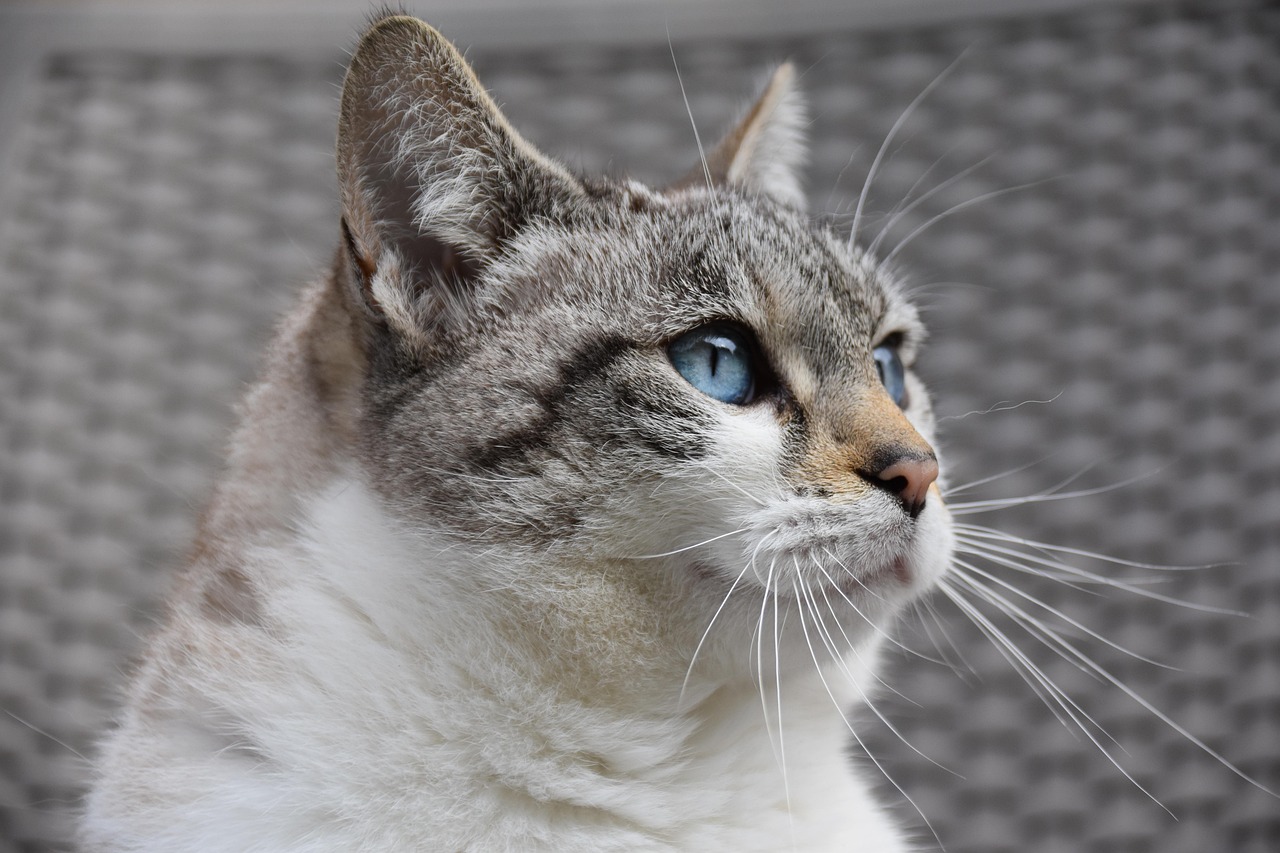

Microchip Technology: Advancements in Cat Safety
Microchipping has become an essential tool in ensuring feline safety, enabling pet owners to identify their cats quickly and easily. This technology uses a tiny chip, often the size of a grain of rice, implanted under the cat’s skin. When scanned by a vet or a shelter, it reveals the owner’s contact information. This means lost cats can be reunited with their families swiftly. The significance of microchipping extends beyond lost pets. It serves as a protective measure against theft, as a visible microchip acts as a deterrent for potential kidnappers. Moreover, many animal shelters prioritize microchipped adoption candidates, increasing the security of the rehoming process. As pet ownership rises, so too does the importance of efficient identification methods. Advances in microchip technology have resulted in enhanced durability and longevity, ensuring chips remain functional for years. Additionally, new chips can now be scanned by universal devices, allowing various professionals to access the pet’s information regardless of the chip brand. The vet community advocates for microchipping to support feline welfare and reduce stray populations. This ensures that every cat has the opportunity for a safe and loving home.
Microchipping entails minimal discomfort and is a swift procedure that can be integrated during routine veterinary visits. This integration minimizes risks associated with anesthesia, providing pet owners a hassle-free experience. The chip itself contains a unique identification number linked to a database, which is updated with personal details for tracking. This technology helps save pets from uncertain fates in busy shelters. Furthermore, in regions with stricter laws regarding stray cats, microchips offer legal protection to owners. Tracking lost pets has never been easier with advancements in satellite technology. Current microchips can now be registered with GPS, allowing real-time tracking. By utilizing smartphone apps, pet owners gain insight into their cat’s whereabouts. This improvement means that pet parents can locate their cats within minutes instead of hours or days. Additionally, the increased popularity of microchips encourages public awareness about the necessity of responsible pet ownership. Local governments and non-profit organizations are now sponsoring microchipping events at highly subsidized costs. Many local shelters offer free microchipping in an effort to combat the issue of lost pets effectively. Through these community initiatives, more cats become microchipped, enhancing their chances of safe returns.
Microchip Safety Features
Modern microchips, designed with state-of-the-art technology, offer significant safety features for pets. For instance, many chips are now equipped with advanced encryption technologies, ensuring that sensitive information remains confidential and protected from unauthorized access. Moreover, some models come with an added benefit—temperature monitoring. These chips can alert owners if their cat is in extreme heat or cold, helping prevent potential health emergencies. There is also the feature of rapid scanning, allowing veterinary clinics to retrieve pet information without delay. This is crucial during urgent situations when time is of the essence. The technology continues evolving as pet safety becomes a priority worldwide. Furthermore, the use of biodegradable materials in production reduces environmental impact, aligning with eco-conscious initiatives. For the best results in terms of identification and safety, it’s imperative to keep the recorded data updated. This includes changes in ownership, addresses, or contact numbers. Additionally, awareness campaigns educate the public about the potential scenarios where microchips can save pets, such as during natural disasters or theft. Having a fundamental understanding of these technologies empowers cat owners to leverage these advancements appropriately and responsibly.
As the landscape for pet welfare evolves, so too does the legislation around microchipping. In various regions, laws mandate that all cats must be microchipped as a prerequisite for adoption. This legal enforcement aims to decrease the number of lost and abandoned animals. Consequently, animal control agencies increasingly collaborate with microchipping companies to streamline processes. Simplified processing ensures efficiency when shelter pets are adopted. Veterinarians and shelters also provide education about the importance of microchip registration during initial vet visits. In recent years, awareness has surged among pet owners regarding the advantages of microchipping. This momentum can further be attributed to the adoption of responsible pet ownership campaigns. Many animal advocacy groups highlight the significance of microchipping through social media and public events. These informative initiatives foster a culture of ensuring that all pets have proper identification. Moreover, educational outreach emphasizes that once a cat is procured, it must be microchipped within a determined timeframe. Public health campaigns raise awareness about microchip retrieval processes and how they effectively lower the risk of overwhelmed shelters. Regularly updating pet information ensures the continuity of care related to lost and found cats.
Pet Parent Responsibilities
While microchipping technology has made significant strides, responsibility still resides with pet owners. It is crucial for cat owners to commit to maintaining updated records associated with their microchip. Frequently checking this information ensures that alterations such as moving to a new residence or changing phone numbers are accurately reflected. Many databases provide user-friendly online portals specifically for updating records quickly. Maintaining accurate contact information forms the crux of effective communication in times of need, especially if the cat goes missing. Additionally, owners should inform caregivers or veterinary staff about their pet’s microchip status, providing a sense of security. Another responsibility includes regularly scheduling veterinary check-ups to assess the functionality of the chip, ensuring it remains in good condition. Furthermore, some pet insurance policies include liability for lost pets if they are microchipped. Therefore, when choosing an insurance provider, reviewing the benefits of microchipping becomes essential. These aspects highlight the importance of staying informed about the advancements surrounding microchips and the significant role they play in cat safety. Pet parents should actively engage in this conversation and advocate for best practices among fellow owners for effective pet safety.
The future of microchip technology is indeed promising as advancements in health tracking and location services evolve. Emerging concepts in integrating health monitoring features go beyond identification to potentially limiting health risks. For instance, some upcoming microchips focus on gathering vital signs, delivering valuable data directly to pet owners and veterinarians. This makes it easier for owners to spot health issues before they become significant concerns, promoting proactive veterinary care. The innovation doesn’t stop there; GPS microchips are getting more precise, allowing for more accurate distance tracking. With the integration of AI into tracking systems, understanding a pet’s daily habits becomes a reality. Owners can receive reports on their cat’s activity levels, behavior changes, and location patterns. This emphasizes a deeper commitment to pet health and well-being, ultimately enhancing the bond between pet and owner. Furthermore, collaborations between pet tech companies and veterinary professionals ensure the reliability and safety of these microchip systems. By stressing preventive measures, microchips align seamlessly with the movement toward holistic pet care. As microchip technology continues to evolve, so does the responsibility of pet owners to stay informed and updated in line with these advancements.
Conclusion
In summary, microchipping remains a cornerstone of cat safety in today’s society. The significant advancements in microchip technology provide a safe, reliable way to ensure lost pets return home successfully. With a fusion of innovative features designed for optimal protection, this technology represents an evolution in pet care, impacting owners and pets alike positively. Through legislation mandating microchipping, increased public awareness, and responsible pet ownership, we see an encouraging trend in feline safety. Equipping cats with microchips is not an added option; it’s an essential requirement that saves lives and secures homes. Therefore, it’s imperative for all cat owners to understand the importance of microchipping their cats and staying informed about the latest developments in this field. By doing so, pet parents contribute significantly to reducing stray populations and fostering community responsibility for animal welfare. Together, we can work towards providing every cat a chance for safety and connection with its family. The benefits of microchipping are clear, and as technology advances, the potential for even greater improvements arises. Let’s embrace these innovations to ensure all pets have the protection and safety they deserve.