
Top 5 Training Tools to Enhance Dog Socialization
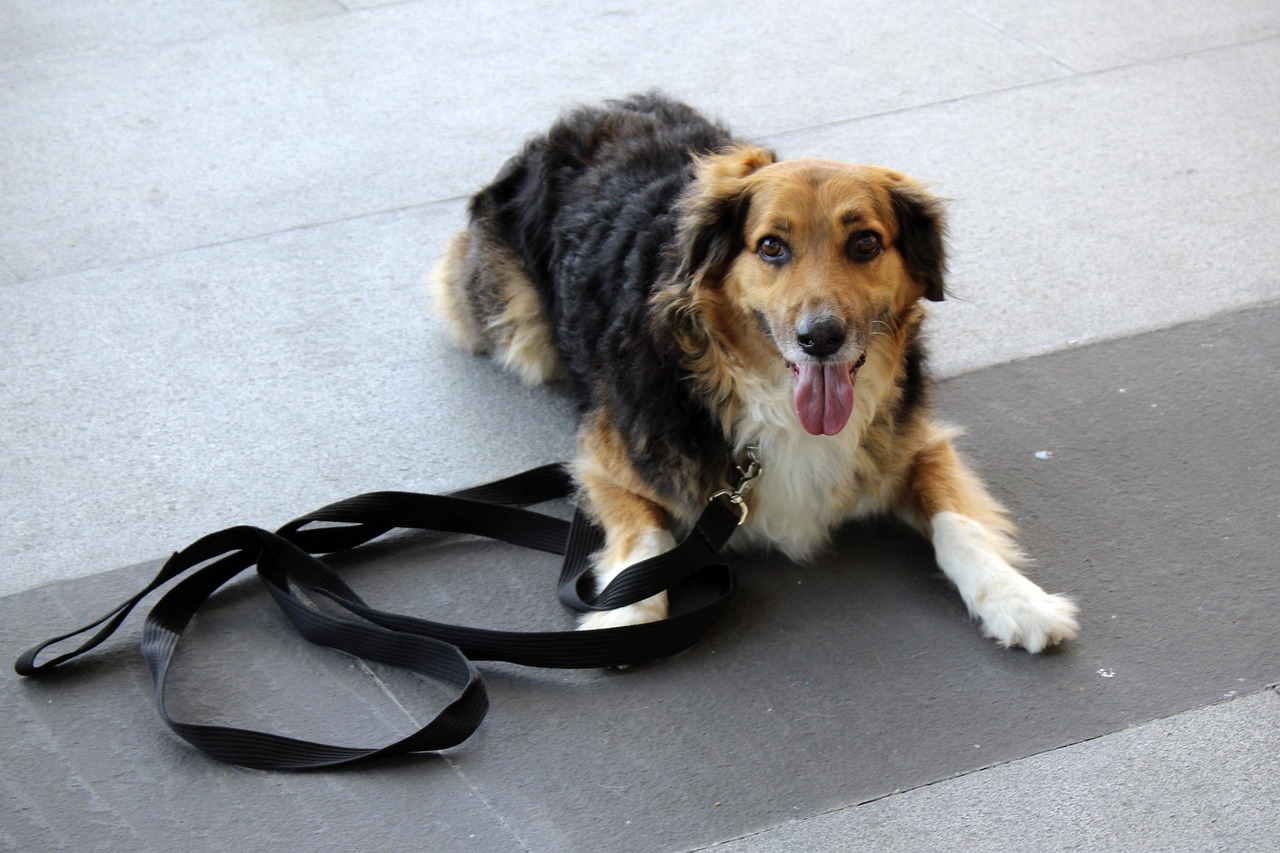
When training your dog for socialization, choosing the right tools is essential to ensure effective learning. Among the many products available, leash training devices stand out as vital tools. A good leash should offer both control and comfort, which allows for safe interactions with other dogs and people. Moreover, consider using a harness designed specifically for training, as it reduces pulling and strain on your dog’s neck. During initial training periods, attaching a lightweight leash helps prevent overwhelming experiences. Remember to focus on positive reinforcement during these interactions to create a more enjoyable experience for your dog. In addition, using a longer leash can facilitate gradual introductions while providing a sense of freedom. Dogs often appreciate the ability to explore their surroundings at their own pace. Combining the leash with treats can motivate your dog, reinforcing desired behaviors. Always ensure that you are in a quiet environment to facilitate focus, as chaotic places might distract your dog from learning. Over time, your dog will develop social skills which lead to more confidence during outings. A well-socialized dog contributes positively to family dynamics and community engagements.
Interactive Toys for Engagement
Another valuable training tool includes interactive toys that encourage dogs to engage with their environment. These toys come in various forms, such as puzzle feeders and squeaky toys, stimulating both the mental and physical aspects of your dog’s development. They help distract dogs during socialization sessions, making interactions less intimidating for anxious pets. Apart from that, interactive toys can improve problem-solving skills, enhancing their ability to cope during encounters with other dogs. One popular option is a toy that dispenses treats, rewarding your dog’s effort in play. This can help associate positive feelings with being around other dogs, encouraging further socialization. Moreover, choosing toys that are safe and durable ensures they withstand the inevitable wear and tear of active play. Look for toys that encourage interaction with humans, fostering a shared experience between pet and owner. This bond strengthens trust, which is crucial for effective socialization. Always supervise your dog while they’re playing with these toys to prevent any accidents. In fostering such trust and engagement, you’re setting the foundation for your dog’s success in social situations.
Training classes serve as an essential resource when attempting to improve your dog’s socialization skills. A good training class provides both structure and supervision to ensure safe interactions with various dogs and humans. Many trainers incorporate positive reinforcement techniques, empowering dogs and their families to engage confidently. It’s beneficial to look for classes tailored specifically to socialization, especially for young puppies. Ensuring your dog experiences a diverse group of dogs and people is fundamental for their development. Moreover, working with a professional trainer can help you address specific behavioral concerns. Each dog has a unique personality that may require specialized attention from experienced trainers. This dedication to tailored quality instruction often leads to your dog’s increased comfort in public settings. Furthermore, group classes allow for real-life scenarios, diminishing the fear or anxiety dogs may experience. Engaging in practice sessions with other dogs can familiarize them with different behaviors. Importantly, classes also provide ample opportunities for owners to learn effective techniques for handling their dogs during interactions. Overall, training classes can significantly enhance your dog’s confidence and social skills, making them better companions for you and your family.
Clickers for Communication
Using a clicker as a training tool can significantly enhance communication during the socialization process. It’s a simple device that makes a distinct sound when pressed, signaling to the dog that they have performed a desired behavior. As dogs learn to associate this sound with positive outcomes, they become more engaged and responsive during training sessions. Clicker training offers a precise way to reinforce good behavior and improve social interactions. When introduced correctly, this method boosts their confidence as they understand clearly what you expect from them during socialization. Moreover, clicker training allows for immediate reinforcement, further establishing a positive connection between behavior and reward. Consequently, the reliability of this training method promotes faster learning as the dog becomes attuned to your cues. Utilizing clickers while engaging with other dogs enhances the learning experience. Through repetitions, your dog can generalize their knowledge, which helps during various encounters in public settings. Additionally, involving family members in the clicker training can foster cohesion and support for socialization. It’s crucial to remain patient and consistent with this method for the best results.
Socialization outings are essential components of enhancing your dog’s social skills. Frequenting pet-friendly areas, such as parks and cafés, allows your dog to interact with various stimuli, further enriching their experiences. These outings should begin in low-traffic environments, gradually increasing as your dog becomes more comfortable. It’s vital that these early experiences remain positive to prevent any fear or apprehension from developing. Consider timing your outings during quieter hours to minimize overwhelming encounters. Use treats or toys to encourage good behavior, emphasizing praise for calm actions. Introducing a buddy dog, which is well-socialized or friendly, can ease the transition during group encounters. Their presence can significantly assist in encouraging interactions, as they help model appropriate behaviors. Always monitor your dog’s body language to gauge their comfort during these outings. If any signs of stress emerge, it’s essential to take a step back and provide your dog with space. The overall goal of these socialization outings is to create lasting positive associations with dogs and people, making each outing a fun learning opportunity instead of a challenge.
Gradual Exposure Techniques
Gradual exposure is an effective strategy to foster comfort in socialization among dogs. This method encourages slow introductions to new experiences and individuals, helping dogs adapt at their own pace. Begin with controlled environments where your dog feels safe, and gradually introduce them to more challenging situations. Positive reinforcement is crucial during these introductions, ensuring your dog learns that new encounters may yield enjoyable experiences. Furthermore, using a friend or familiar dog during initial exposure can assist in building confidence. Over time, local parks or busy areas can be incorporated into socialization routines as your dog becomes more accustomed to varied stimuli. Timing is everything; it is essential to structure rewards immediately after desired behaviors to reinforce excellence. Remain attentive to your dog’s stress levels, ensuring exposure isn’t overwhelming. If distress arises, retreat to a calmer environment and take it slow. This careful approach helps dogs recognize positive feedback from interactive situations, gradually eliminating fear. Ultimately, successful gradual exposure leads to a more well-rounded, confident dog, ready to tackle public interactions with ease.
In conclusion, utilizing various training tools profoundly impacts your dog’s socialization journey. From leashes to clickers, every tool plays a role in enhancing interactions with other dogs and people. Prioritizing positive reinforcement aids in building trust, allowing your dog to learn effectively. Classes and outings present essential opportunities for practical experiences, guiding development in real-world situations. Gradual exposure tactics ensure that your dog learns at their own pace, further promoting comfort in social encounters. Each aspect, when integrated effectively, complements the others to craft a comprehensive socialization plan. As you embark on this empowering endeavor, remain patient and consistent, and remember to celebrate each progress made. Not only does socialization improve your dog’s behavior, but it ultimately strengthens your bond, ensuring a fulfilling companionship. By investing time and energy into your dog’s social skills, you’re preparing them not only for happier outings but also for healthier relationships with fellow dogs. Ultimately, a well-socialized dog enhances the overall well-being of your family and community, setting the stage for positive engagements in every adventure you embark on together.