
Addressing Skin Issues in Senior Cats Through Grooming
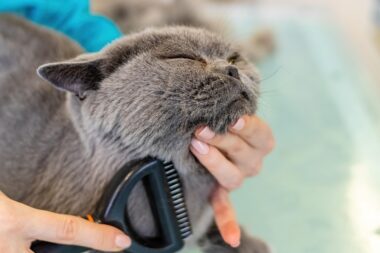
As cats age, they may face various skin issues that require careful attention and support from their owners. Senior cats often experience changes in their skin, including dryness and thinning. These alterations can lead to various skin problems, such as dermatitis or other skin infections. It’s essential for cat owners to recognize these changes and ensure that their grooming routines cater to the special needs of their aging cats. Regular grooming helps in removing dead hair and minimizing the risk of matting, which can aggravate skin conditions. Additionally, effective grooming can improve blood circulation, promoting healthier skin. With the right techniques and tools, owners can make grooming an enjoyable activity for their senior felines. Special focus should be placed on sensitive areas, such as the belly and underarms, where skin irritation is more common. It’s beneficial to introduce gentle brushing methods to avoid causing discomfort. For cats that resist grooming, patience is key. Establishing a calm environment can foster a positive experience, making the process less stressful not only for the cat but for the owner as well.
Understanding the importance of hydration is essential for addressing skin issues in senior cats. Older cats often become less thirsty, leading to dehydration, which can further exacerbate their skin problems. Encourage your cat to drink more water by providing fresh, clean water in multiple locations throughout your home. You can also consider offering water-rich food, such as wet cat food or incorporating broths and soups into their diet. Moisture is vital for maintaining skin elasticity and overall health. Additionally, consider using a pet fountain to make drinking more enticing. Cats are naturally attracted to running water, and a fountain can encourage more frequent drinking. Keeping up with routine veterinary check-ups is another crucial aspect of maintaining your senior cat’s skin health. Regular examinations can help identify issues early before they escalate into more severe problems. Your vet can also suggest appropriate supplements or therapies to enhance your cat’s coat condition and skin elasticity. Furthermore, discuss any specific grooming techniques that may be beneficial for your senior cat. A tailored grooming strategy can significantly positively impact your cat’s well-being.
Choosing the Right Grooming Tools
When grooming senior cats, it is important to select appropriate grooming tools that cater specifically to their needs. Different types of brushes are designed for different coat types and issues. For instance, a wide-toothed comb is ideal for detangling medium to long-haired cats, while a rubber grooming mitt works effectively for short-haired breeds. Creating a comfortable grooming experience is vital for older felines. Opt for tools that minimize discomfort and reduce stress during grooming sessions. Look for brushes with soft bristles or rounded tips to avoid irritating sensitive skin. Explore the possibility of using grooming tools with ergonomic handles; these make the process more comfortable for you. Furthermore, consider specialized grooming products designed for senior cats, such as soothing shampoos and conditioners. These products can alleviate dryness and irritation while keeping your cat’s coat soft and manageable. Invest in high-quality grooming tools that ensure longevity and effectiveness. Lastly, make grooming a routine practice, gradually introducing new tools to avoid overwhelming your cat. Regular grooming fosters trust and a positive association with the practice.
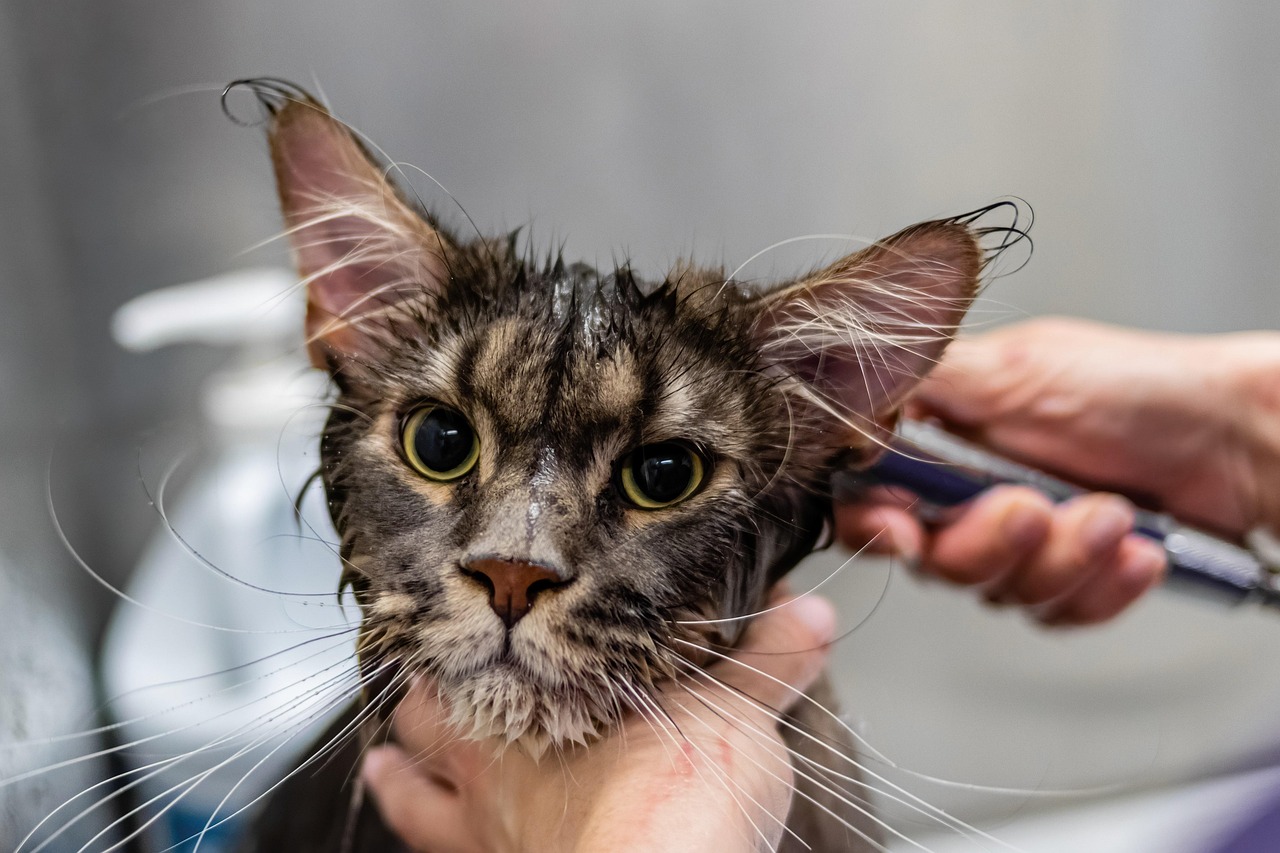
One of the most effective ways to manage skin issues in senior cats is through regular bathing. While cats are naturally clean animals, they may require occasional baths due to skin-related concerns. Use a gentle, hypoallergenic cat shampoo specifically formulated for sensitive skin. Bathing should be executed with care to avoid stressing your cat. Ensure the water temperature is lukewarm, and create a calm environment with minimal noise. Have all your grooming supplies ready before starting to streamline the process. After bathing, dry your cat thoroughly with a soft towel and consider using a low-heat hairdryer on the cool setting. This can help maintain the skin’s moisture. Always observe your cat’s reactions during the bath; rewarding them with treats afterward can create a more positive experience. If your cat absolutely resists bathing, consult your veterinarian for alternatives, such as dry shampoos or grooming wipes tailored for cats. Regular baths, when combined with brushing, can aid in keeping your senior cat’s skin clean and healthy, especially if they have issues like dandruff or oily skin.
Monitoring Skin Condition
As a cat owner, monitoring your senior cat’s skin condition should be a priority. Regular inspections can help you spot any changes in their skin or coat that could indicate underlying health issues. Look for signs such as redness, flakiness, or unusual bumps. Collectively, these symptoms may suggest a need for veterinary care. Pay attention to specific areas where skin problems are likely to develop, such as the tummy, back, and under the armpits. Check your cat for signs of excessive scratching or biting at their fur; this clearly indicates irritation and a potential problem. Additionally, maintaining a written record can assist you in tracking any skin changes over time. Note any observed symptoms, along with dates and any other relevant circumstances. Sharing this information with your veterinarian during check-ups will ensure appropriate and timely interventions. If your cat has pre-existing conditions like allergies or a history of skin problems, it is particularly vital to stay vigilant. Proactive monitoring can lead to early solutions, helping ensure a healthy coat and skin for your beloved senior feline.
Proper nutrition can strongly influence your senior cat’s skin condition and overall wellness. Diet plays a significant role in the health of your pet’s skin, fur, and immune system. Make sure your cat is on a high-quality, well-balanced diet tailored for seniors, rich in essential fatty acids, protein, and vitamins. Omega-3 and Omega-6 fatty acids are particularly beneficial for enhancing skin health. They promote skin hydration and can aid in reducing inflammation resulting from skin issues. Consulting your veterinarian about the best dietary options for your aging cat is crucial. In some cases, veterinary-approved supplements may provide additional support for skin health. Furthermore, monitor your cat’s weight, as obesity can lead to various health issues, including compromised skin integrity and worsened coat quality. Ensuring your cat maintains a healthy weight can also prevent skin problems arising from excess pressure or friction on the body. Hydration continues to be essential, alongside proper nutrition. Avoid changes in diet without consulting your veterinarian, as abrupt shifts can upset your cat’s digestive system. A well-thought-out diet plan is critical to ensuring your senior cat remains healthy and happy.
Creating a Comfortable Grooming Environment
Establishing a comfortable grooming environment can significantly affect your senior cat’s grooming experience. Choose a quiet space, preferably away from distractions and other pets, where your cat can feel safe. It’s ideal to set up a grooming station that includes everything needed for the session—brushes, combs, shampoo, and treats. Make sure the station is equipped with proper lighting, which helps you see any abnormalities while grooming. Regular breaks during grooming can help alleviate stress and fatigue for both you and your cat. Use soft, non-slip surfaces to allow your cat to feel secure while being groomed. For extremely anxious cats, try using calming pheromone sprays or diffusers to reduce anxiety levels. Additionally, ensure that your cat is comfortable; some senior cats may benefit from grooming sessions on their favorite blanket or bed. Remember to utilize positive reinforcement during grooming by rewarding them with praise or treats. This can significantly boost their willingness to cooperate during these sessions. A well-prepared grooming environment paired with your gentle approach will help establish a routine your cat can enjoy.
Understanding your senior cat’s behavioral changes and needs is integral to mastering effective grooming. Many senior cats display behavioral traits influenced by health and mobility changes. They may be less active and more sensitive to touch, making it essential to adapt grooming techniques to meet their needs. Be patient when handling your cat, and approach grooming sessions gently, allowing them to acclimate to being brushed or inspected. It’s crucial to observe their reactions and respond to any signs of discomfort quickly. Gradually introduce grooming tools and short sessions until your cat becomes familiar and comfortable with the process. If your cat shows signs of distress, such as growling or scratching, take a step back. Alter your approach and take breaks to prevent overwhelming your furry friend. Keep grooming sessions short and frequent rather than long and infrequent. Also, being familiar with your cat’s specific personality will aid in reducing stress and enhancing their experience. Providing extra security and assurance during grooming is paramount for senior cats, positively reinforcing their emotional well-being.