
Editing Basics for Dog Photography Beginners
Editing is a crucial aspect of dog photography that can enhance your images significantly. The first step in the editing process is to assess the photographs you’ve taken. Look for the images that best capture your dog’s personality and energy. Keeping an organized workflow is important; create folders for raw images, edited images, and final selections. Understanding your editing software is essential. Popular software options include Adobe Lightroom and Photoshop, which provide comprehensive tools for adjustments. Begin with basic adjustments such as exposure, contrast, and color correction. These foundations will help establish the overall look of your photos. Always consider the composition of your shots; cropping can remove distractions and focus the viewer’s attention on your dog. Don’t be afraid to experiment with various editing styles, but maintain a consistent theme. A unified look in your photographs can elevate your portfolio. Remember, subtlety is key; avoid over-editing as it can make your images look unnatural. With patience and practice, you can transform your dog photographs into stunning images that showcase their unique charm.
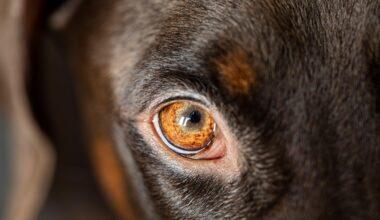
Another important aspect of editing dog photographs is learning how to retouch. This process involves removing distractions and imperfections from your images. For example, you might want to eliminate distractions like leashes or clutter in the background. Using tools like the healing brush or clone stamp in software can help you achieve this. Try to keep the dog as the main focus of the photo by blurring the background slightly, which can create depth and interest. Additionally, pay attention to the eyes of your dog in pictures. Sharp, bright eyes can make a significant difference in an image. Make sure to enhance the clarity of the eyes and adjust the brightness to catch the viewer’s eye. If you’re photographing outdoor scenes, consider enhancing the color of the grass and sky to create a vibrant backdrop. Natural light can sometimes be harsh, so make slight adjustments to brightness and shadows to soften the overall look. Keep in mind to save your edits in a different file to preserve the original. This allows for flexibility in future edits while maintaining the integrity of your original images.
Understanding Color Correction
Color correction is another vital skill for dog photography. It involves adjusting the hues and tones of your images to bring out their best features. Different lighting conditions can affect how colors appear in your photos. For instance, photos taken in shade may appear too cool, while those taken in bright sunlight can seem overly warm. Using the white balance tool in your editing software will help you achieve accurate colors. Experiment with the temperature slider to see how it affects your photograph. Additionally, boosting saturation can make your dog’s coat pop and highlight colors effectively, but be careful not to overdo it. It’s about finding a balance. Pay attention to the skin tones in the image as well; ensuring they look natural is key. It is also important to adjust the vibrancy, which affects the muted colors while preserving bright colors. Always zoom in to get a detailed view while editing. When you’re satisfied with your adjustments, consider applying presets for future edits. Using presets can save time while providing a cohesive look across your dog photography.
Shooting in RAW format is highly recommended for dog photography beginners. RAW files retain more detail and information compared to JPEGs, making it easier to edit without losing quality. Once you’ve shot in RAW, the first step in your editing process is to import your files into your chosen editing software. From there, you can start making necessary adjustments, such as sharpening images, correcting lenses distortions, or removing noise. These steps prepare your images for beautiful final edits. When focusing on retouching, it’s essential to work in non-destructive editing. This means working with layers or adjustment layers that allow you to edit images without damaging the original file. Always keep a backup of your best shots to ensure you don’t lose your hard work. Learn keyboard shortcuts within your software program to speed up your workflow. Practice editing regularly to develop your skills and style. Don’t hesitate to explore online tutorials to learn specific techniques that interest you. Last but not least, ask for feedback from fellow photographers, as constructive criticism can be invaluable for improving your editing techniques.
Adding Effects and Filters
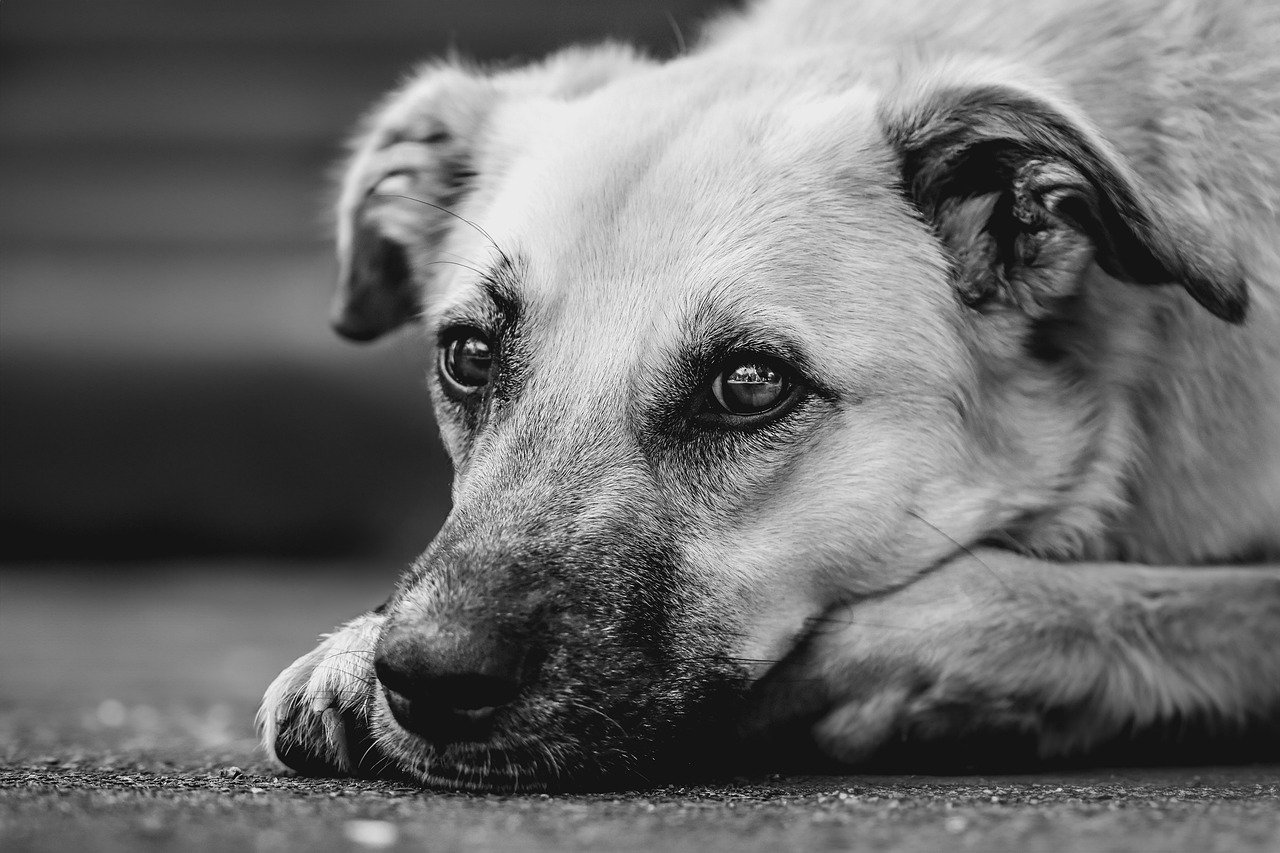
Effects and filters can add a unique touch to your dog photos, making them stand out. When applying effects, consider the mood of the image and choose filters that complement it. For instance, if you want a soft, dreamy look, you might choose a gentle vignette or a faded film effect. However, it’s important to use these tools sparingly; excessive filtering can detract from the image’s quality. Create a consistent style across your images by using similar effects for continuity. Consider using black and white filters to bring a different perspective to your dog’s personality, emphasizing textures and contrasts often unseen in color photos. There are many presets available online that suit dog photography, and they can sometimes help speed up your editing process. When using these presets, make sure to review each photo individually, ensuring that the result aligns with your vision. Don’t hesitate to mix different filters and effects to see what works best for your style. The key is to develop a signature look while highlighting your dog’s character in every photograph you take.
After you’ve completed all the editing steps, always take a moment to review each photo thoroughly. Viewing images at a distance can help you spot inconsistencies or minor issues that went unnoticed earlier. Consider asking for a second opinion from fellow dog photographers, as fresh eyes may catch something important. As your skills improve, you will develop a more critical eye for detail in your edits. Additionally, if you plan to showcase your work online or in printed formats, ensure that your final edits are saved in the appropriate sizes and resolutions. High-resolution images are essential for printing, while appropriately sized images are crucial for online sharing. Always keep copies of various sizes for convenience in sharing. Establish a routine for backing up your work to avoid losing any precious photos or edits. Utilize cloud storage options or external hard drives. Finally, don’t forget to stay updated with new tools and editing techniques. Joining photography groups or forums can keep you informed about the latest trends in dog photography, paving the way for continuous improvement in your craft.
Final Thoughts on Editing Dog Photos
In conclusion, mastering the basics of editing is essential for every dog photography beginner. Following these tips, including understanding software, color correction, retouching skills, and using effects, will help transform ordinary images into stunning photographs. Remember that photography is as much about practice as it is about learning. The more you shoot and edit, the better you will become. Regularly reassess your progress and adapt your editing methods as your style evolves. Seek feedback and always look for ways to improve your unique voice within dog photography. Throughout your photography journey, keep an open mind and the passion alive to capture those special moments. Enjoy the process of bringing out the best in your dog photographs. As you grow confident in your editing techniques, your images will not only capture your dogs’ personalities but will also resonate with your audience, telling beautiful stories behind each shot. Your journey in dog photography can be fulfilling and creative, leaving lasting memories for both you and your canine companions.
A final tip is to always be patient with yourself as you learn editing techniques. Each photograph will teach you something new about composition, lighting, and your editing style. Don’t hesitate to revisit old photos; you may find ways to improve them with your ever-evolving skills. Utilize the community around you, whether through local dog photography clubs or online forums, where you can share tips and receive constructive critiques. Over time, you’ll develop your style that reflects your artistic vision. Attend workshops if possible to gain hands-on experience with professionals. If you’re enthusiastic about dog photography, it will reflect in your edits. Embrace the journey of improvement and experimentation, allowing your unique perspective to shine through in every image. Lastly, don’t forget to have fun! Capturing the essence of your furry friends should always be an enjoyable experience. This joy will infuse into your photographs, creating authentic and heartwarming images that resonate with viewers, fostering a connection that transcends mere visuals. With everything you’ve learned, remember that each snapshot is an opportunity to create something truly special.