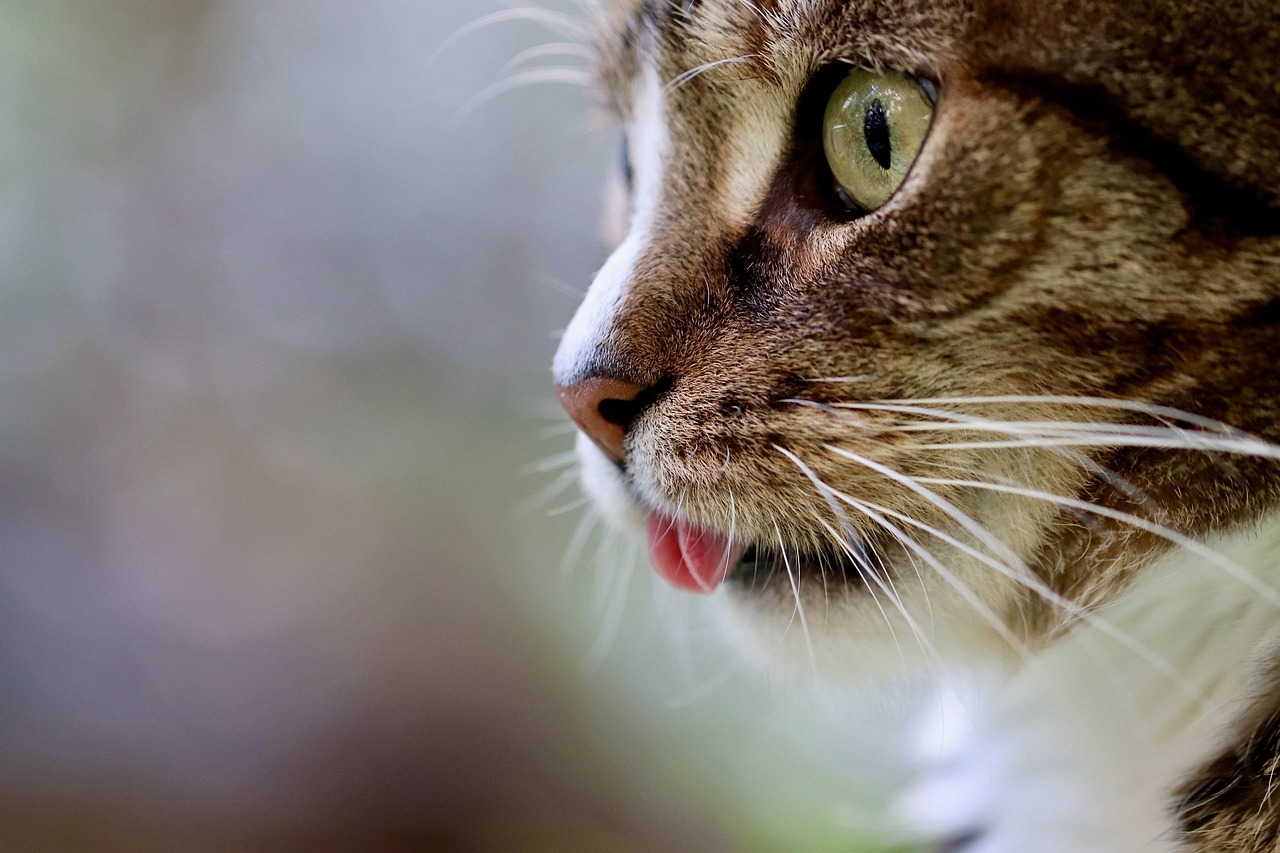

Understanding Cat Life Insurance Premiums
Cat life insurance premiums can vary significantly based on a variety of factors. One major element influencing costs is the age of the cat at the time of policy initiation. Typically, younger cats are less costly to insure than older cats because they are generally less prone to illness. However, it’s vital to note that older cats may require different coverage options, which could increase premiums. Additionally, the breed of the cat plays a crucial role in determining insurance rates. Certain breeds, particularly those predisposed to hereditary health issues, often face higher premiums. For instance, breeds like Persians and Abyssinians may have inherent risks and may lead to higher costs. The geographical location of the pet owner also significantly affects premiums due to varying veterinary costs in different regions. Furthermore, additional factors like the coverage amount and deductible chosen influence overall pricing. Owners should carefully evaluate their insurance needs, balancing premium costs with adequate coverage to ensure the wellness of their pets without overspending on premiums. All these factors contribute to the ultimate decision regarding cat life insurance premiums.
Health History and Its Impact
The health history of your cat shapes the insurance premiums extensively. Cats with pre-existing health conditions or chronic illnesses often attract higher premiums compared to their healthier counterparts. Insurance providers assess the likelihood of future claims based on an individual pet’s health history, thus influencing financial assessments. For instance, if a cat has previously undergone treatments for conditions like diabetes or renal failure, insurers might see them as high-risk pets, which can lead to increased insurance costs. Fortunately, some insurers offer wellness options incorporated into insurance policies, which can help mitigate some of these costs for preventive care. Another factor to consider is whether the cat receives regular veterinary check-ups. Regular visits indicate a responsible pet owner who ensures routine health checks, potentially leading to lower rates. Additionally, insurers may offer discounts or incentives for pet owners who maintain adequate health records and care for their cats proactively. Such discounts can significantly improve affordability, making insurance more attainable for owners who want to ensure their cats’ well-being against unforeseen incidents.
Location and Insurance Rates
The geographical location where the pet resides is another crucial factor impacting cat life insurance premiums. Veterinary services tend to vary greatly from one area to another, influencing the overall insurance costs for pet owners. For example, living in metropolitan areas may mean higher premiums, as veterinary care and services in these locations might be more expensive. In contrast, rural areas might have lower veterinary costs, leading to potentially lower insurance premiums for pets. Additionally, local regulations regarding pet healthcare and insurance could also cause fluctuations in premiums, with some states imposing stricter requirements than others. Pet owners should research regional trends in veterinary pricing to understand how their area affects policy costs. Moreover, insurers may consider the availability of specialized veterinary practices when determining rates for cat insurance. Areas with easy access to specialized services may incur higher premiums due to the likelihood of advanced care being needed, reflecting on overall policy costs. Understanding the geographical implications can help owners make informed decisions while selecting cat life insurance.
Coverage Types and Premium Variations
When selecting cat life insurance, the type of coverage chosen can greatly influence premium costs. Different policies cater to varying needs, ranging from basic accident coverage to comprehensive wellness packages. Basic plans often cover emergency care and accidents, which typically result in lower premiums. However, these policies may not provide the extensive coverage needed for chronic health conditions or preventive care, potentially leading to out-of-pocket expenses for pet owners. On the other hand, comprehensive plans offer wider coverage but come at a higher premium. Insurers may include benefits for routine visits, vaccinations, and dental care within these advanced packages. Another aspect worth noting is the deductible amounts chosen by the policyholder. Higher deductibles can help lower premium costs but may result in increased out-of-pocket spending during claims. It is essential to assess personal budget constraints while determining the type of coverage that best resonates with owners’ expectations in terms of cat care. Evaluating multiple policy options allows pet owners to select an insurance plan that aligns with their financial and coverage requirements.
Claims History and Its Influence
The claims history of a pet plays a significant role in determining their insurance premiums. If a cat has had multiple past insurance claims, insurers might categorize the pet as high-risk, influencing premium costs. They may perceive a higher likelihood of future veterinary attention, leading to increased future premiums. This mechanic can become a double-edged sword; while a clean claims record fosters lower premiums, multiple claims raise suspicion and costs. It’s important for pet owners to understand that not all claims affect future premiums equally. Some insurers offer a no-claims bonus, rewarding policyholders with lower rates for not making claims over specific periods. By maintaining the health of their cats and ensuring preventive care, owners can minimize potential claims, thereby directly affecting their insurance costs. In light of this, regular check-ups and active management of existing health conditions can help keep claims minimal. Being proactive in pet health can translate into significant long-term savings concerning policy premiums, reinforcing the need for consistent care and preventive measures.
How Age and Breed Affect Premiums
The age and breed of a cat significantly affect their insurance premiums, marking critical considerations for pet owners. Younger cats generally incur lower premium rates, primarily due to their reduced risk factors associated with age. However, as cats age, their premiums can increase due to the associated risk of developing age-related health conditions. Older cats may require additional coverage enhancements to address possible health issues, reflecting increased financial responsibility for the pet owner. Furthermore, pedigree and breed type can directly influence insurance premiums. Certain breeds carry a genetic predisposition to specific health concerns, thus incurring higher premiums due to potential future claims. For example, breeds such as Siamese or Maine Coons might present higher risks, affecting overall premium costs. Educating themselves about breed profiles and their predispositions can help owners make informed choices about selecting coverage plans. When combined with age considerations, understanding these dynamics is crucial for devising sound financial plans for managing pet health expenses over the life of the cat.
Final Considerations for Cat Life Insurance
In conclusion, various interconnected factors determine cat life insurance premiums, shaping both costs and quality of coverage options available. Pet owners should actively assess their individual circumstances, considering their cat’s health history, age, and breed, in addition to geographic location and chosen coverage types. Additionally, maintaining a clean insurance claims record by prioritizing preventive care can greatly reduce potential costs in the long term. By proactively managing their cat’s health and seeking dedicated insurance plans, owners will ensure their furry friends remain safe and secure. It’s crucial to compare multiple insurance providers, examining policy details comprehensively ensures optimal coverage remains in place while adhering to personal financial constraints. Ultimately, investing in cat life insurance not only provides peace of mind but also safeguards against unexpected veterinary expenses, promoting overall well-being among our beloved feline companions. Therefore, smart decision-making must be standard practice for cat owners considering the reliability of their insurance while balancing premium affordability with substantial coverage that benefits both them and their pets.