
How Seasonal Changes Affect Parasite Risks in Dogs and Cats
Seasonal changes significantly impact the types and prevalence of parasites affecting dogs and cats. As the temperature rises in spring, many parasites become active, including fleas, ticks, and various worms. These pests thrive in warm, humid environments, increasing the risk of infestations. Owners may notice a rise in scratching or grooming behaviors as their pets encounter these parasites. Each season brings its unique challenges, which can affect pet health considerably. During winter, the cold weather typically reduces the number of active parasites, creating a temporary reprieve. However, indoor environments still harbor these pests. Fleas can survive and breed in homes, so pet owners should remain vigilant throughout the year. In regions with milder winters, the risk remains significant. By understanding seasonal variations, pet owners can better prepare and protect their pets. Comprehensive knowledge about these changes can help ensure timely vaccinations and preventive measures are employed. This proactive approach significantly reduces health risks for dogs and cats during seasonal transitions.
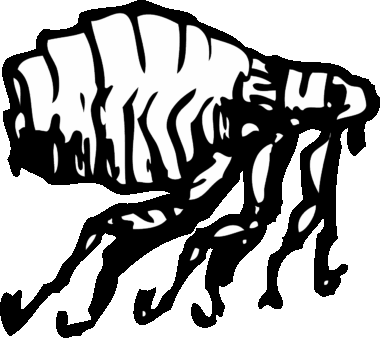
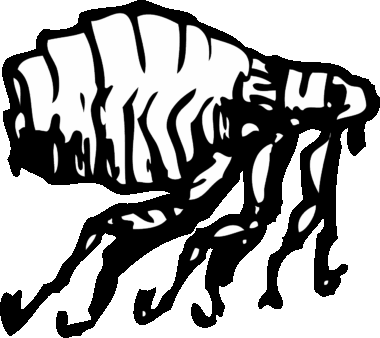
Spring encourages the growth of various parasites, with increased humidity allowing fleas, ticks, and mosquito populations to grow. Fleas thrive easily and can reproduce rapidly in warm conditions, making flea control critical in spring. Ticks become more active as pets venture outdoors, seeking hiking and recreational activities. These tiny parasites carry diseases such as Lyme disease and can pose severe health risks. Aside from fleas and ticks, mosquitoes emerge and can transmit various diseases, including heartworm disease, which can be fatal if untreated. Pet owners need to implement preventive treatments early in the spring season to minimize these risks. Regular veterinary visits are essential to monitor and manage parasite prevention and vaccinations. These visits can include discussions on the best products for individual pets and their environments. Look for effective flea and tick control solutions as well as heartworm prevention medications. Especially in warmer areas, it is crucial for dog and cat owners to remain alert to these seasonal changes. Knowledge about these parasite behaviors can be beneficial for preventing health complications in pets.
Summer is often peak season for many parasites, bringing various challenges for pet owners. The increased temperatures allow fleas and ticks to reach their highest populations, while mosquitoes remain prevalent. For many pets, this means increased exposure outdoors, particularly during family activities, which leads to a higher risk of infestations. Fleas not only cause discomfort but can also lead to flea allergy dermatitis, requiring veterinary intervention. Furthermore, ticks can transmit multiple diseases, including Rocky Mountain spotted fever, providing additional risks for pets. Regular grooming plays a vital role in detecting and removing these pests. Summer also requires monitoring for potential health issues arising from parasites. Heartworm disease remains a significant concern during warm months, especially in dogs, so testing and preventive measures are necessary. Owners should consider using preventive medications and maintaining their pets’ hygiene to protect them from health hazards. In the case of any signs of parasites, consulting a veterinarian promptly can provide effective treatment solutions. Summer may be enjoyable, but it presents unique challenges for parasite management among pets.
Autumn: Preparing for the Transition
As autumn approaches, the changing weather impacts parasite populations and behaviors. The cooler temperatures often lead to decreased flea and tick activity, providing some respite for pet owners. However, it is essential to remain alert, as these parasites can still exist in the environment. The transition season allows for increased opportunities for dogs and cats to encounter pests, especially those spending time in grass and wooded areas. Pest management should not drop off during autumn, even as populations decrease. Owners should review their current preventive measures and adjustments for the cooling temperatures. Consultations with veterinarians can also help in evaluating the effectiveness of their current protocols. This seasonal change provides an excellent opportunity to ensure pets are up-to-date on vaccinations as well. Vaccinations help protect against diseases transmitted by parasites, solidifying the importance of prevention. Owners also need to keep an eye on their pet’s health as autumn progresses, as changes in weather can provoke other health concerns. Monitoring behaviors and attitudes during this season can lead to better management of potential parasite dangers.
Winter typically sees a decline in outdoor parasite activity; however, indoor environments remain vulnerable to infestations. Fleas can continue to thrive in heated homes, making winter a challenging time for pet owners. The presence of fleas or ticks could cause discomfort throughout cold months, necessitating vigilance. Additionally, pets may still encounter these pests when going outdoors for walks. As temperatures drop, dogs and cats may shed their coats, and any lingering parasites may pose risks during winter months. Consequently, it’s essential to maintain preventive treatments even in colder temperatures. Many pet owners mistakenly assume that the cold will eliminate parasites, leading them to discontinue preventive medications too early. Maintaining a consistent treatment plan throughout winter protects against any lingering issues. Regular cleaning and vacuuming inside homes can reduce the chances of flea infestations. By staying proactive and prepared, pet owners can ensure a healthier environment for their furry companions. Consultation with veterinary professionals can aid in developing personalized winter care plans specific to individual pet needs.
The Role of Vaccinations
Ensuring pets are up-to-date on their vaccinations is vital for combating diseases caused by parasites. Vaccinations serve as a protective measure against various common illnesses, contributing to a pet’s overall health. Monthly heartworm medications are crucial for dogs, especially during warm months when mosquitoes, the primary carriers, are most active. Cats can also need similar preventative medicines due to the risk of exposure. Vaccinating pets helps protect them against serious health problems resulting from parasite infestations. Furthermore, it’s essential to check each pet’s vaccination status periodically during vet visits. Reviewing vaccination schedules can aid in preventing potential outbreaks of diseases. Additionally, veterinarians can provide recommendations on supplementing preventive measures, which can vary depending on the species and lifestyle of the pet. Proper vaccination not only protects individual pets but also contributes to population health. Ensuring all pets are vaccinated supports decreased parasite transmission rates in the community. This holistic approach aids in overall pet wellness and reduces the potential for major health issues linked to parasites.
Effective pest management involves a comprehensive approach to both prevention and treatment options concentrated on seasonal changes. A strong partnership between pet owners and veterinarians can lead to tailored solutions that fit individual pets’ needs. Monitoring health behaviors and staying informed about seasonal variations can help make informed decisions about parasite prevention strategies. Additionally, educating oneself about the behaviors and life cycles of common parasites assists in understanding potential risks. Owners should engage in open conversations with veterinary professionals about scheduling routine check-ups regularly, ensuring any concerns are promptly addressed. Furthermore, using reliable pest control products can significantly decrease the chances of infestations. Regular treatments ensure pets are safeguarded from external threats. By practicing responsible pet ownership and increasing awareness about seasonal changes, greater challenges posed by parasites can be effectively managed. With dedication and thorough attention to detail, pet owners can maintain healthier, happier pets throughout the year. Emphasizing an ongoing commitment to care will benefit pets in the long run, creating a balanced lifestyle that promotes good health.
In conclusion, recognizing the seasonal impact on parasite risk is crucial for pet owners. Each season brings unique challenges that require tailored solutions and preventive actions. Engaging with professionals regarding the most effective products and vaccination schedules allows for comprehensive parasite management. Monitoring changes in behavior or health concerns related to seasonal transitions can provide important insights. Owners should also engage their pets outside responsibly during periods of peak parasite activity, adhering to preventive measures. Education about the life cycles and active seasons of parasites can provide a framework for proactive management. Creating a balanced year-long parasite control plan minimizes the risk of infestations and promotes better pet health. Making informed decisions maximizes the chances of providing protection for pets through seasonal changes. Ultimately, maintaining a focus on prevention will support the well-being of beloved animals. Understanding how seasonality affects these risks empowers pet owners to take sensible actions. The result is a happier and healthier routine for pets, ensuring safety against parasites all year.