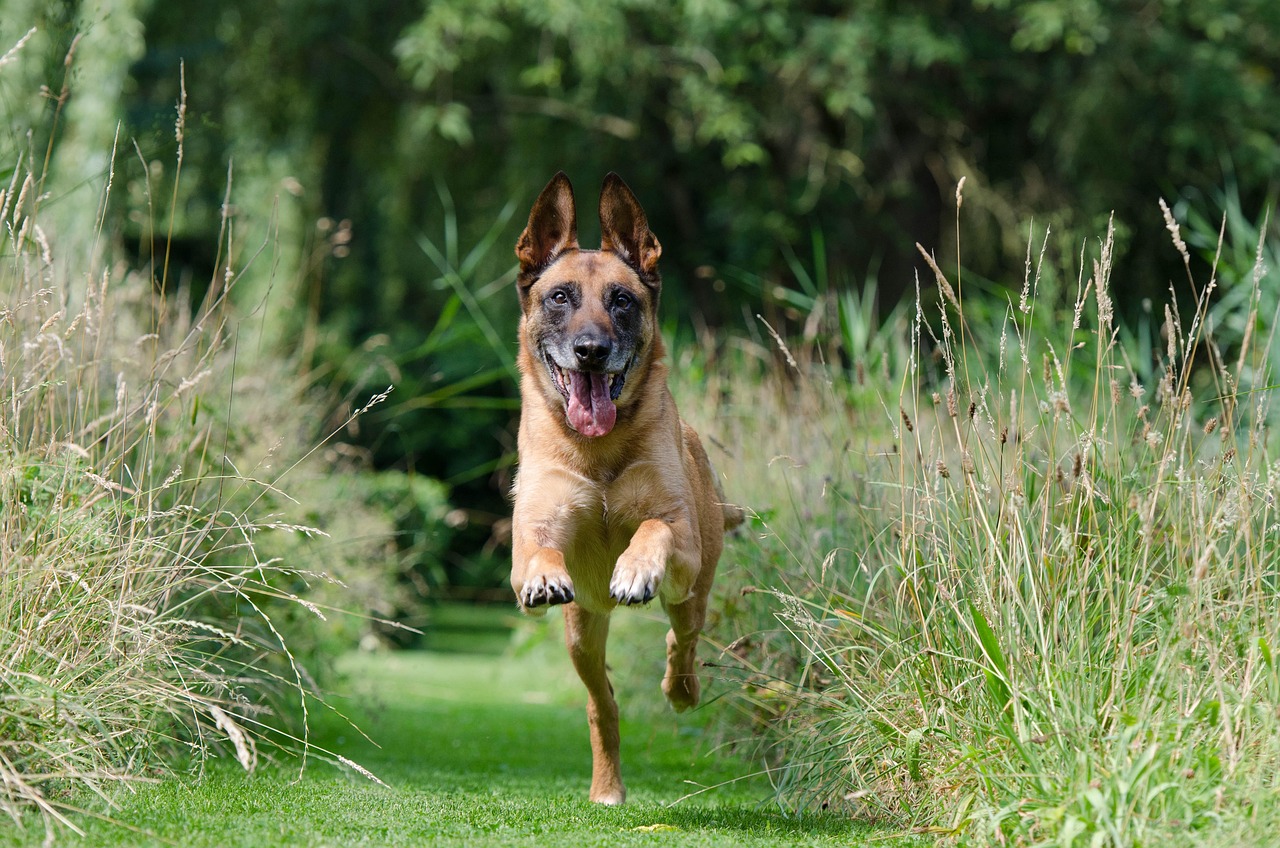

How to Teach Your Dog to Come When Called in an Emergency
Teaching your dog an emergency recall can be a lifesaver in moments of panic. This technique ensures your pet returns to you immediately when called, providing peace of mind during potential dangers. Start by selecting a specific word or phrase for this recall command, such as ‘emergency’ or ‘come here now.’ Consistency is key, so use this term exclusively for this training. Positive reinforcement, such as treats or praise, helps create a strong association with the command, encouraging your dog to respond promptly. Ensure the command is distinct, requiring a different tone that stands out from regular calls. Practice this command in a controlled environment to enhance comprehension, gradually increasing distractions to test your dog’s focus. It’s crucial to be patient, as this training may take time depending on your dog’s learning style and past training experiences. Start training in an enclosed space where you can control the surroundings. Consistent practice strengthens the dog’s recall instinct and builds a solid response to your emergency commands, making them more reliable over time when faced with real-life situations.
Begin by implementing short training sessions focusing solely on the recall command. Gradually, introduce the command while your dog’s favorite toy or treat is present. When your dog successfully returns to you, reward them immediately with praise or a treat—this reinforces the behavior. Use playful language during training to maintain engagement, making it a fun activity for your dog. Avoid calling your dog only when it’s time to go home or when they’ve misbehaved, as this leads to negative associations with the command. Make these recall sessions enjoyable, incorporating playtime and exploration as rewards for their response. The goal is to create a strong positive connection between the command and the action of returning to you. Repeat the training process consistently across various locations, so your dog learns to obey the command no matter the environment. As your dog gains confidence, you can practice this command off-leash in safe, enclosed areas. Always maintain a calm demeanor, even in chaotic scenarios, as your dog will take cues from both your voice and body language.
Using Positive Reinforcement Techniques
Positive reinforcement is critical in emergency recall training. This method strengthens your dog’s response by associating the command with pleasurable rewards. Start by practicing in a quiet area without distractions, gradually introducing mild challenges as your dog becomes more confident. Each time your dog responds correctly, reward them enthusiastically. This could be in the form of treats, verbal praise, or even playtime with their favorite toy. Maintain high-energy interaction to boost their excitement upon returning to you. Over time, increase the difficulty levels, varying locations from your backyard to parks. Incorporate longer distances, encouraging your dog to come from further away. Always ensure rewards remain enticing, as their motivation is pivotal. If your dog demonstrates reluctance, revert to a simpler stage of training before gradually increasing frequency. Celebrating successes boosts confidence, making your dog eager to comply with the emergency recall command. The more enjoyable the training, the more likely your dog will respond promptly in urgent situations, ensuring their safety and your peace of mind.
Consistency in training is vital for achieving reliable behavior during emergencies. Ensure everyone in your household understands and utilizes the same command. Mixed signals can confuse your dog, resulting in an unreliable recall under pressure. If your dog struggles to respond consistently, it may require revisiting basic obedience training to strengthen their general recall skills. Frequent training practice, even when not directly related to an emergency recall, can help establish clear communication between you and your dog. Utilize opportunities, such as daily walks or play sessions, to reinforce the command casually. Furthermore, gradually introduce distractions during training; this aids in preparing your dog for real-world situations where chaos might occur. Training should never be a punishment; instead, nurture a bond based on trust and teamwork. Dogs trained successfully with positive reinforcement techniques often develop a genuine desire to connect with their owners, exemplifying the importance of this relationship. In emergency situations, their training can mean the difference between safety and danger, highlighting the effectiveness of diligent recall practices.
Real-World Application and Safety Techniques
Implementing the recall command during real-life situations enhances your dog’s responsiveness. Begin by allowing your dog to explore securely while you maintain visibility. Give the emergency recall command, ensuring your dog understands the request and comes promptly. Reward them once they reach you, reinforcing the positive outcome. Repeat this several times, gradually increasing the distance and distractions. It’s essential to keep practicing so your dog reliably responds when it matters most. In unexpected scenarios, consider using a long-line leash during training for extra security. This helps control the situation while still allowing your buddy to enjoy a measure of freedom. If you notice any hesitance, return to a calmer setting to start anew. The main goal is building a solid and trustworthy relationship, where your dog feels secure following your commands. If possible, practice this outside in various locations, continuously reviewing the established methods. Gradually challenging your dog aids in ensuring readiness for potential emergencies and establishes their confidence in your instructions, ultimately paving the way for their safe return.
As your dog becomes proficient at responding to their recall command, consider introducing more advanced tasks. This can include retrieving specific items or navigating through obstacles before returning. Incorporating these variations makes training exciting and engaging for your dog. Consistently refreshing their understanding of what you expect helps fortify their training over time. You can utilize games such as hide-and-seek to encourage your dog to search for you, associating the fun with your command. Always keep learning fun; remember, your dog thrives on positive energy, so be upbeat. Another aspect to focus on is the environment; practice recall training in various settings from quiet parks to bustling streets, progressively building their skills. Emphasizing the importance of the recall command not only aids in sheltering your dog but also strengthens your bond. The trust built during training facilitates effective communication between you and your furry friend. Make sure to maintain your energy level and enthusiasm to reflect on their performance; constant encouragement and reinforcement will establish their crave for your call during emergency situations.
Conclusion: The Importance of Reliable Recall
In conclusion, teaching your dog an emergency recall command can save their life and provide enormous peace of mind. Investing the time and energy into this type of training pays off significantly long-term during problematic situations. It establishes a strong trust bond between you and your pet, emphasizing their well-being during outdoor activities. By ensuring consistency in training, using positive reinforcement, and challenging your dog progressively, you’ll nurture a reliable response when it matters most. The enjoyment of training is essential—make every session worth looking forward to, both for you and your dog. Continuous learning alongside the establishment of clear communication encourages your dog to engage during exercises and obey commands in emergencies effectively. The skills obtained extend beyond emergency situations into everyday life, significantly improving the connection between canine and owner. Your dog will appreciate and thrive on the attention and rewards they receive, fostering a loyal and obedient relationship. Remember, the quality of the training experience matters, so prioritize your dog’s happiness above all.
With dedication and patience, you can successfully prepare your beloved canine for emergencies, allowing joy and security to flourish as they develop confidence in their recall skills. Through daily practice and encouragement, building a trustworthy and responsive dog can ensure both their safety and your peace of mind during adventures outdoors.