
Protecting Dogs from Hypothermia: What Every Owner Should Know
As a responsible dog owner, understanding the risks of hypothermia is crucial, especially during cold weather. Hypothermia occurs when a dog’s body temperature falls below normal levels due to prolonged exposure to frigid temperatures. It’s important for dog owners to recognize the signs of hypothermia as early intervention can save their furry friend’s life. The initial symptoms include shivering, lethargy, and weakness. If left untreated, hypothermia may progress to more severe symptoms like impaired coordination and even unconsciousness. Always monitor your dog’s behavior when they are outdoors in cold weather, and note any signs that may indicate distress. Additionally, certain dog breeds are more susceptible to the cold, especially those with short hair, small body sizes, or those that are older or ill. Be aware of your dog’s breed and health status when assessing their risk. Finally, consider the outdoor activities you are engaging in with your dog and ensure they are suitable for the temperature. Taking these steps can significantly reduce the chances that your beloved pet will suffer from the debilitating effects of hypothermia.
The first step in safeguarding your dog against hypothermia is to understand your dog’s tolerance for cold. Each breed has its unique characteristics that affect its ability to withstand low temperatures. For example, the Siberian Husky and Alaskan Malamute have thick fur coats designed for Arctic climates, while Chihuahuas and Greyhounds are more vulnerable due to their short hair and low body fat. As a dog owner, it is essential to assess your dog’s individual needs and ensure they are tailored to their breed and size. You can also check the specific temperature thresholds recommended for your dog’s breed to ensure a safe environment. Furthermore, it is vital to create a warm outdoor space for your dog if they will play outside during colder months. Adding a heated doghouse or insulate their sleeping area can help. Additionally, avoid leaving your dog outdoors for extended periods when temperatures drop significantly. Instead, bring them inside to stay warm and comfortable. Lastly, consider using dog coats or booties for added warmth and protection against frostbite on their paws, ensuring they are fully prepared for outdoor activities.
Signs of Hypothermia in Dogs
Recognizing the signs of hypothermia in dogs is paramount. As temperatures decline, it becomes increasingly vital to be vigilant about your dog’s condition. Dogs exhibiting symptoms may show weakness, excessive shivering, or difficulty standing. Often, the affected dog will seek shelter, indicating their discomfort. Furthermore, their ears and paws may feel colder than normal, and they might curl up to conserve body heat. In severe cases, they could experience confusion or lethargy, leading to a lack of response or even unconsciousness. Any of these signs warrant immediate action; bringing the dog indoors, providing warmth using blankets or warm water bottles, and contacting a veterinarian for advice are essential steps. If you suspect your dog is suffering from hypothermia, do not hesitate to seek professional help. Prompt response can make all the difference. Additionally, keeping your dog hydrated and fed with nutritious meals during colder months can help maintain their energy levels and overall health. Keeping a close eye on how your dog behaves outside a playgroup can help prevent hypothermia from occurring in the first place.
Protecting your dog from the elements involves careful planning and preparation. When organizing outdoor activities, remember to check the weather forecast before embarking on an adventure. If there are predictions of extreme cold, consider rescheduling your activities to a warmer day. Additionally, make it a habit to familiarize yourself with any local cold weather advisories or alerts that might be in effect. It’s also wise to establish guidelines for your dog during cold conditions. For instance, enforce short play sessions over longer, strenuous outings. If your dog enjoys playing outside, allow them to come indoors frequently to warm up. A variety of fetching games can be played indoors, which can help keep them exercised without the risk of exposure to extreme temperatures. Moreover, avoid walking them during very late-night or early-morning hours when the temperature tends to drop significantly. After walks, always check your dog’s paws for signs of ice, snow, or salt residue, as these can cause discomfort or injury. Making these adjustments to your routine will keep your dog happy and safe throughout the winter months.
Winter Gear for Your Dog
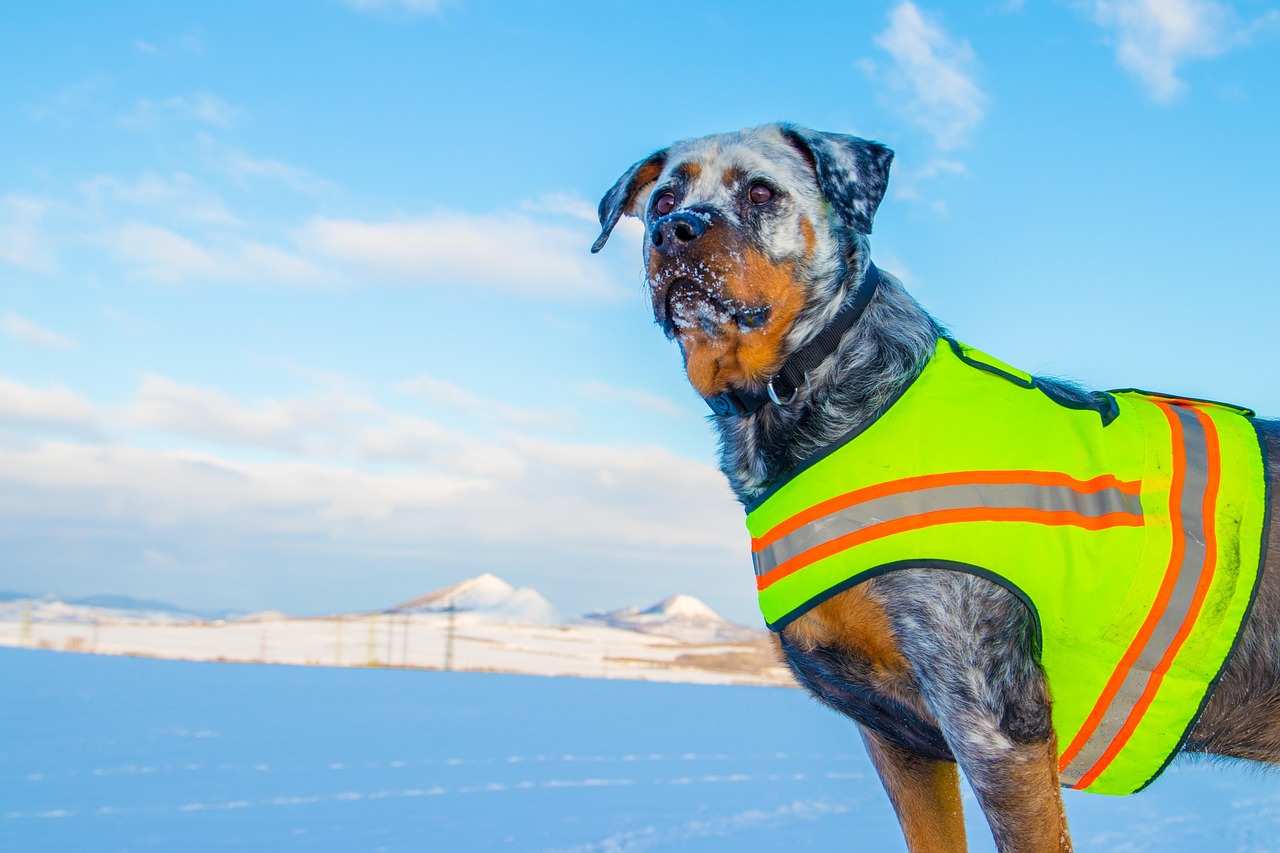
Investing in appropriate winter gear for your dog is another effective measure against hypothermia. As dog owners, we understand that not all dogs are equipped with the necessary insulation against bitter cold. Therefore, protective clothing—such as jackets, sweaters, and booties—can provide essential warmth. Dog jackets should ideally cover the dog’s torso and fit snugly without constricting to allow ease of movement. Look for materials that are windproof and waterproof to protect against dampness and chilly winds. Additionally, dog booties can help prevent ice from balling up between their paws, which can lead to pain and discomfort. Many booties also provide traction, reducing slipping on icy surfaces. It’s best to choose items that are durable and easy to clean, ensuring a hassle-free experience for busy pet owners. Also, consider introducing your dog to their new gear gradually, allowing them time to accustom themselves. Make it fun by associating wearing their winter gear with playtime or treats, helping them accept wearing it with a positive experience. Proper winter gear can be the difference between a fun outing and discomfort for your beloved pet.
Furthermore, creating a safe indoor environment during winter is as critical as outdoor exposure. Heating and proper insulation are paramount. Ensure your house maintains a comfortable temperature, ideally between 68°F and 72°F, particularly if your dog is not acclimated to colder climates. Using space heaters responsibly in different areas can create warm zones for your dog to retreat when they need warmth. Additionally, dog beds should be positioned away from drafts or cold floors, providing a cozy resting spot. Elevate their bed slightly using a dog bed with a platform to ensure they are off cold floors. Bear in mind that a dog’s comfort also derives from proper nutrition. Feeding them a well-balanced diet during the winter months will encourage them to maintain energy levels. Moreover, regular exercise remains essential even in cold weather; consider indoor games such as hide-and-seek or puzzles for mental stimulation. Providing toys that match their size and energy level would keep them engaged. Lastly, fostering your dog’s social habits through playdates with other canines can minimize their feelings of isolation during harsh winter months.
Conclusion and Final Tips
In conclusion, dog owners have critical responsibilities in protecting their pets from hypothermia during cold weather. Understanding your dog’s unique needs, being observant of their behavior, investing in appropriate gear, and making necessary adjustments to their environment are all key components. By arming yourself with knowledge on potential hazards and prevention strategies, you can ensure a safe winter experience for your furry friend. Always consult with your veterinarian regarding any changes in behavior or signs of hypothermia, as they can provide professional guidance tailored to your dog’s situation. Regular checkups can also equip you with tools for early identification of any problems. As the cold months approach, take stock of your dog’s health and prepare your home for seasonal changes. Share these insights with fellow dog owners in your community to further raise awareness. Together, we can make winter safe and enjoyable for all canine companions. For more information, consider exploring resources from reliable pet organizations about cold weather care and related topics that keep your furry pals thriving throughout the year.
Protecting your furry friend from hypothermia is a crucial responsibility. This especially applies during the colder months when temperatures drop and weather conditions can be unforgiving. It’s essential to understand how hypothermia affects dogs, how to recognize the symptoms, and the preventive measures an owner should take. Pet owners must establish an effective winter safety plan and continually educate themselves on how weather extremes impact their pets’ well-being. By developing a proactive approach towards your dog’s safety against hypothermia, you will ensure a better quality of life for your loyal companion. Knowing that every breed reacts differently to cold, address their unique needs to keep them warm and comfortable. Observe their physical cues and take immediate action if they show signs of distress from the cold. A well-prepared owner can provide all necessary care and protection through these chilly seasons, turning potentially hazardous conditions into enjoyable adventures. Finally, remember the value of consulting your veterinarian for personalized recommendations. Together, we can build a warm and inviting environment for our pets that fosters healthy and robust life, ensuring they enjoy every moment despite harsh elements.